Now Reading: 17 African Countries Sign Trump’s “America First” Health Deal Amid Pushback
-
01
17 African Countries Sign Trump’s “America First” Health Deal Amid Pushback
17 African Countries Sign Trump’s “America First” Health Deal Amid Pushback

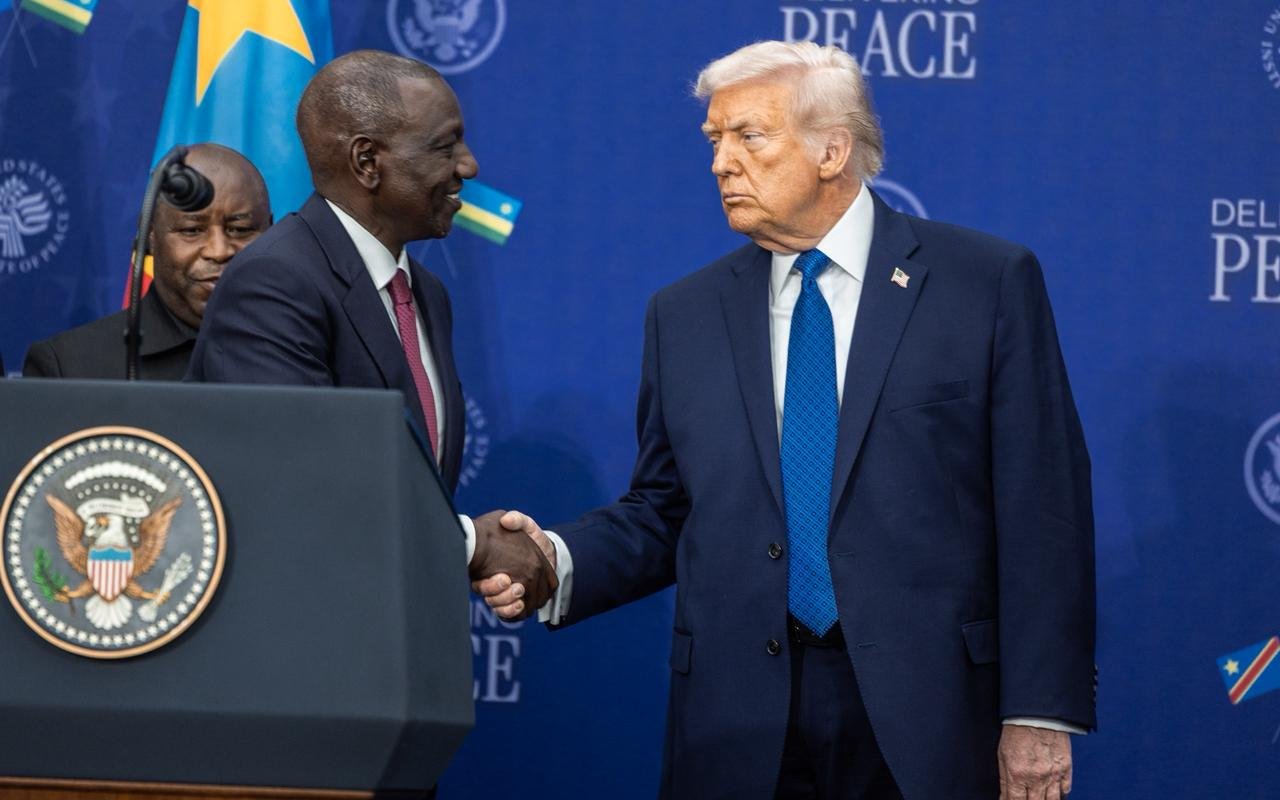

Seventeen African countries have signed bilateral health agreements with the United States under President Trump’s “America First” global health strategy, securing billions in funding.
The agreements, signed in recent weeks, cover areas including pandemic preparedness, vaccine manufacturing partnerships, laboratory upgrades, digital health systems and workforce training.
The aim is to assist African nations in strengthening their public health systems, disease surveillance and pharmaceutical supply chains.
The total funding envelope across participating countries is estimated at $11 billion over 5-year contracts.
U.S. officials say the deals are designed to improve accountability and ensure faster delivery of health investments by working directly with individual governments rather than through multilateral agencies, such as the defunct USAID.
However, the agreements have sparked debate in several countries over governance, data protection and oversight, while facing total collapse in others.
Who Has Signed and What’s at Stake
According to the US State Department, 17 African nations have finalised memoranda of understanding: Botswana, Burkina Faso, Burundi, Cameroon, Cote d’Ivoire, Eswatini, Ethiopia, Kenya, Lesotho, Liberia, Madagascar, Malawi, Mozambique, Nigeria, Rwanda, Sierra Leone, and Uganda.
Panama recently became the first non-African signatory.
The deals require recipient countries to gradually increase domestic health funding while US support declines over five years.
Nigeria signed the largest agreement, worth $2.1 billion; Uganda will receive $1.7 billion, while Kenya secured a $1.6 billion deal.
Burkina Faso, led by Captain Ibrahim Traoré, the latest in the fold, accepted $147 million, marking America’s strategic return to the Sahel.
Kenya’s Deal Frozen by Court
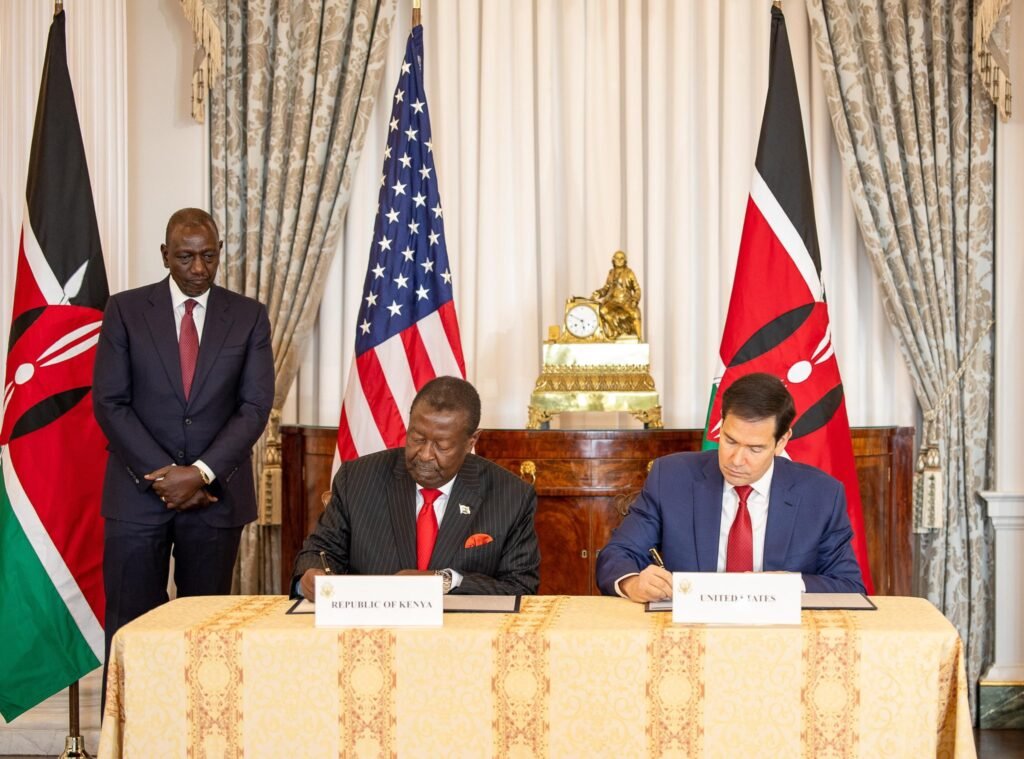
Kenya, the first country to sign in December, saw its agreement suspended weeks later by the High Court following petitions from the Consumer Federation of Kenya (COFEK) and Senator Okiya Omtatah.
The court cited lack of parliamentary oversight and concerns that health data sharing provisions may contravene Kenya’s data privacy laws. The case returns in April.
Civil society groups warned that immunity clauses protecting US actors from legal accountability could leave Kenyan citizens without recourse if their data is mishandled.
The government has, however, defended the agreement, saying it complies with existing data protection laws and is essential for maintaining funding for key health programs.
Kenya remains heavily reliant on donor support for HIV, tuberculosis and malaria treatment programs, making continuity of funding a major concern for health officials.
Zimbabwe Refuses ‘Lopsided’ Terms
Zimbabwe became the first country to publicly reject a deal, halting negotiations on $367 million in health funding after President Emmerson Mnangagwa directed officials to discontinue talks.
A leaked December letter from Zimbabwe’s foreign affairs secretary described the memorandum as “clearly lopsided” and “blatantly compromising the sovereignty and independence of Zimbabwe.”
Government spokesperson Nick Mangwana explained that the US demanded “sensitive health data, including pathogen samples” over an extended period, with “no corresponding guarantee of access to any medical innovations, such as vaccines, diagnostics, or treatments, that might result from that shared data.”
“In essence, our nation would provide the raw materials for scientific discovery without any assurance that the end products would be accessible to our people should a future health crisis emerge,” Mangwana said.
The US Embassy in Harare announced it would begin “winding down health assistance,” affecting 1.2 million Zimbabweans receiving HIV treatment through US-supported programs.
Zambia Pushes Back Over Mineral Rights
Zambia has similarly halted a deal worth more than $1 billion, with the government confirming that certain clauses “did not align with the position and interests of the government of Zambia.”
The government cited language linking health funding to a proposed “bilateral compact” on mining collaboration, adding that the deal gives the US mining and health data access that favours the United States and called for revisions.
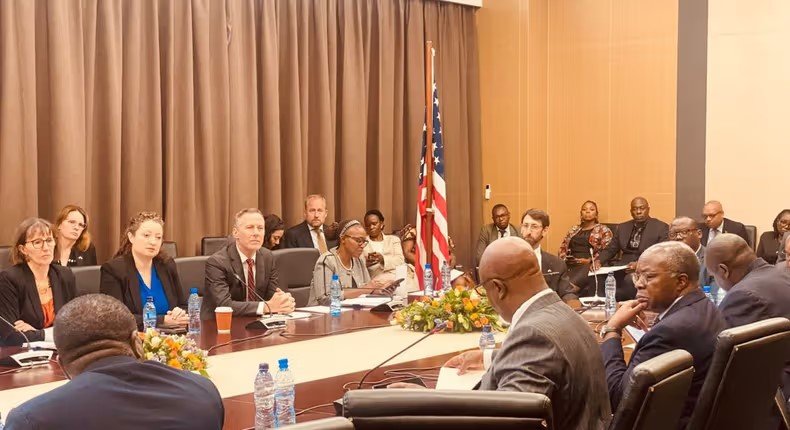
Zambia is Africa’s second-largest copper producer and holds significant cobalt, lithium, and rare earth reserves, minerals critical to the global energy transition.
However, Health advocates have since voiced concerns that the hold-up could potentially cripple key healthcare programs in the country.
“This deal would slash US government funding to life-saving programs while prioritising the interests of mining corporations over the needs of Zambians with HIV,” said Asia Russell, executive director of Health GAP.
Owen Mulenga of Zambia’s Treatment Advocacy and Literacy Campaign added: “We need support from the US, but there should be transparency.”
Loss of Data Sovereignty and Other Concerns
Across the continent, data sovereignty has become the unifying concern.
US drafts reportedly seek access to health data and pathogen information for up to 25 years, with few guarantees about how resulting vaccines or treatments would be shared.
Zimbabwe explicitly framed its rejection around defending the WHO’s multilateral Pathogen Access and Benefit-Sharing (PABS) system, which African nations have championed to ensure equitable benefit-sharing from pandemic-related discoveries.
“To accept a bilateral arrangement that bypasses this multilateral mechanism would undermine the very solidarity that African nations have been advocating for,” Mangwana said.
Faith-Based Focus in Nigeria Stirs Tensions
Nigeria’s $2.1 billion deal includes language placing “strong emphasis on Christian faith-based healthcare providers,” according to US statements.
Critics warn that singling out one religious group in a deeply plural country risks inflaming tensions.
Fadekemi Akinfaderin of Fòs Feminista noted that “faith-based facilities are less likely to provide family planning services, STI prevention, and some vaccinations due to ideological beliefs,” urging Nigeria’s health ministry to ensure coverage gaps.
Geopolitical Context
The agreements come amid intensifying global competition for influence in Africa.
China has long invested in African infrastructure and mining. The European Union has expanded trade and green energy partnerships. The United States, seeking to recalibrate its engagement, appears to be integrating health diplomacy into broader strategic policy.
Observers say the health deals reflect a more transactional model of engagement, aligning aid with national interest considerations.
Washington has defended the strategy as transparent and mutually beneficial. Officials insist that partnerships are voluntary and negotiated based on shared priorities.
Yet the political context cannot be ignored. As supply chain security, rare minerals, and digital infrastructure gain strategic importance, health diplomacy intersects with economic and security interests.
What Comes Next
Implementation timelines vary across the 17 nations. Several agreements are entering early operational phases, including infrastructure upgrades and workforce training initiatives.
Legal challenges, parliamentary debates, and regulatory reviews are expected in multiple jurisdictions.
The broader question remains whether the deals represent a sustainable model of partnership or a short-term infusion tied to evolving geopolitical priorities.
For now, African governments are walking a tight rope, attempting to balance between immediate health system needs and long-term sovereignty considerations.
The stakes extend beyond hospitals and laboratories. As global competition intensifies, health financing has become intertwined with questions of economic strategy, digital governance, and national autonomy.
Whether these agreements ultimately strengthen African health systems without compromising policy independence remains to be seen.
The coming months are set to reveal whether the deals mark a new chapter in cooperative global health engagement, or a contested shift in the politics of aid.
Previous Post
Next Post