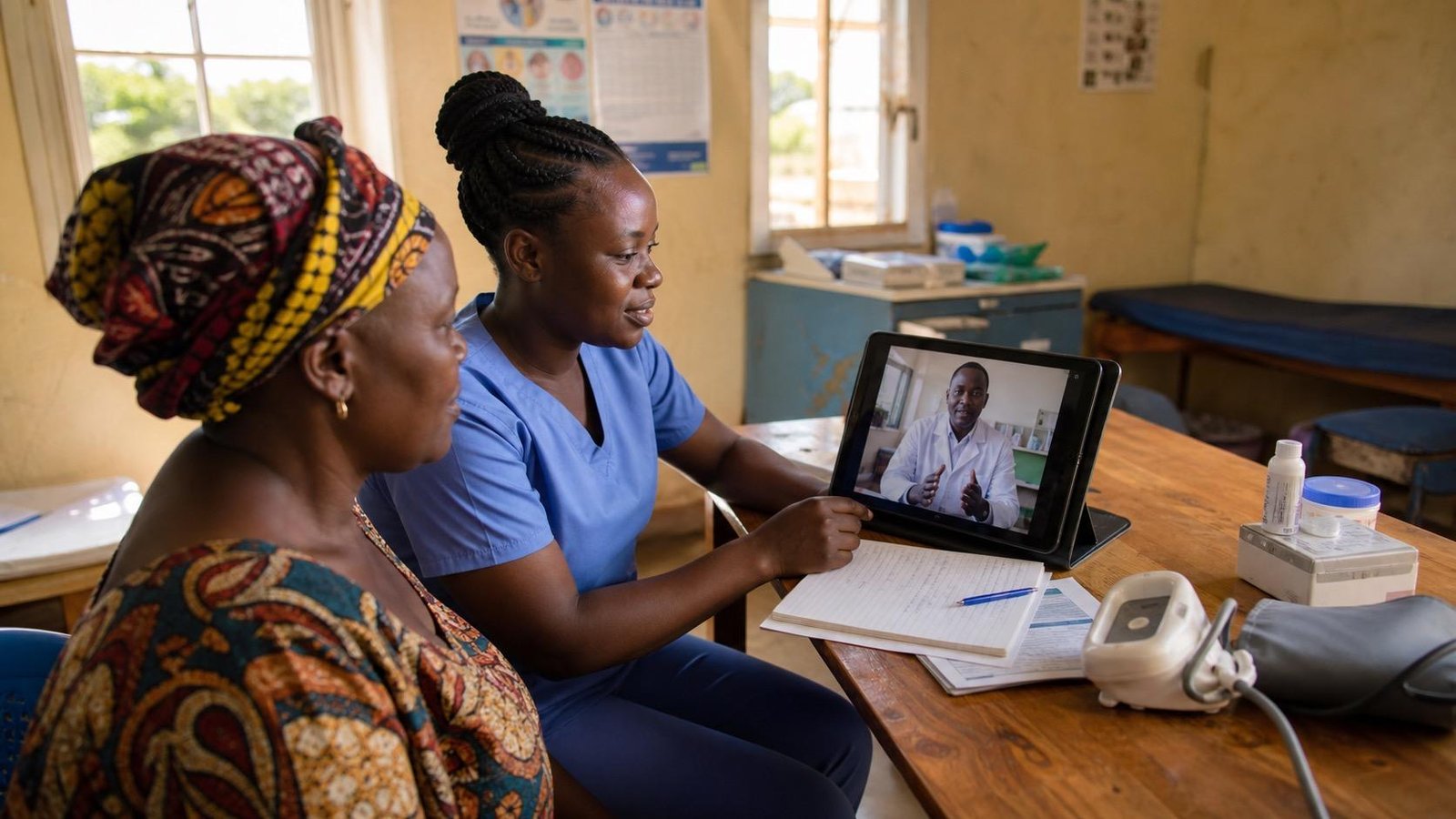
For millions of people living far from major hospitals, distance can still determine how quickly they receive medical care.
Focuses on the business, policy, and innovation within Kenya’s healthcare and pharmaceutical industries. Reports on hospital management, health tech, and medical investments.
For millions of people living far from major hospitals, distance can still determine how quickly they receive medical care.

Artificial intelligence is moving from advising clinicians to taking actions on their behalf, creating a new question for the healthcare industry: how much autonomy should a clinical AI agent have?

Africa’s economic rise will depend on more than roads, factories, technology, and financial systems.

Hospitals can invest millions in sophisticated technology and still lose valuable time to problems that appear deceptively ordinary.
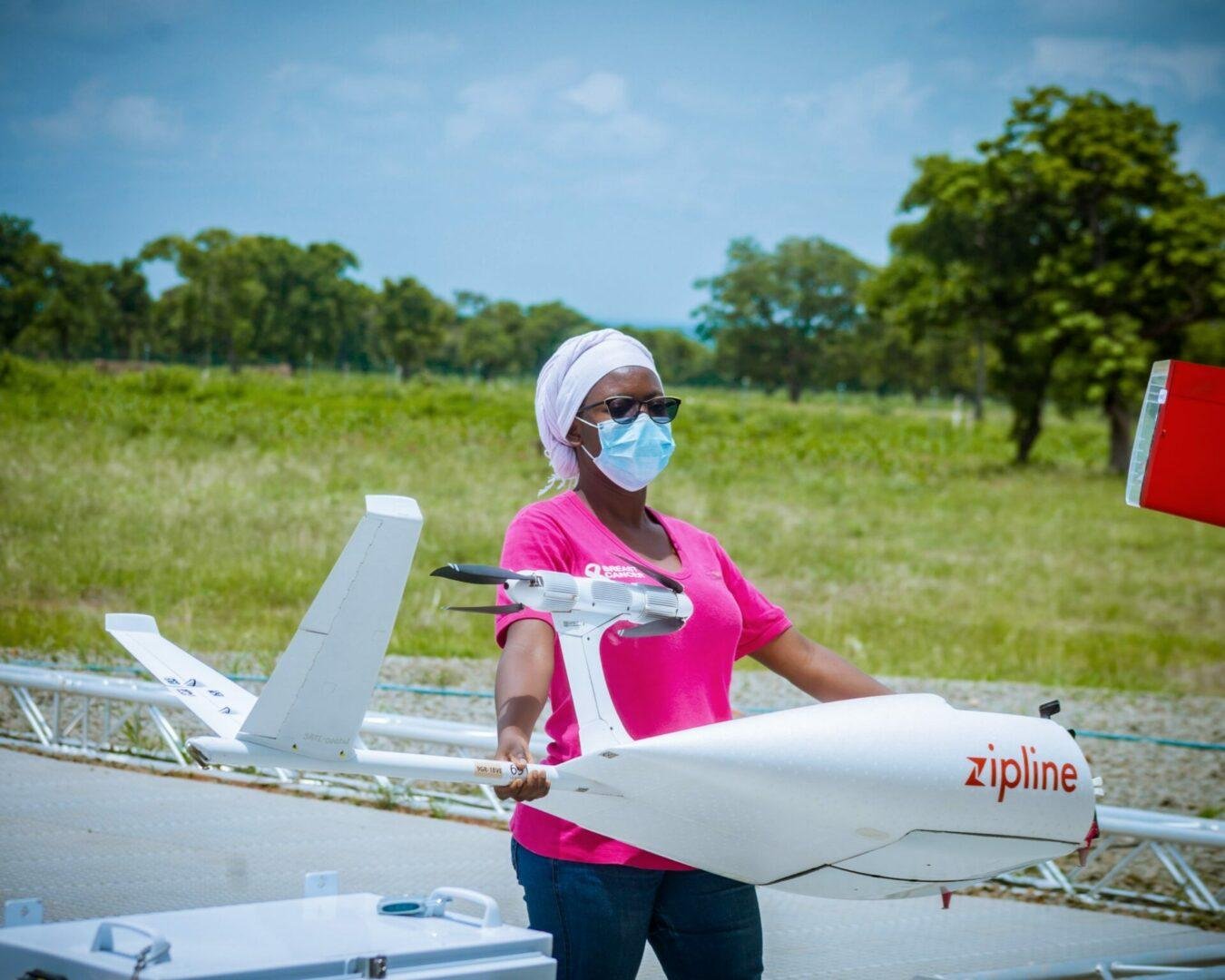
Kenya’s healthcare system is confronting a problem that money and medical expertise alone cannot solve: getting the right commodity to the right facility quickly enough.
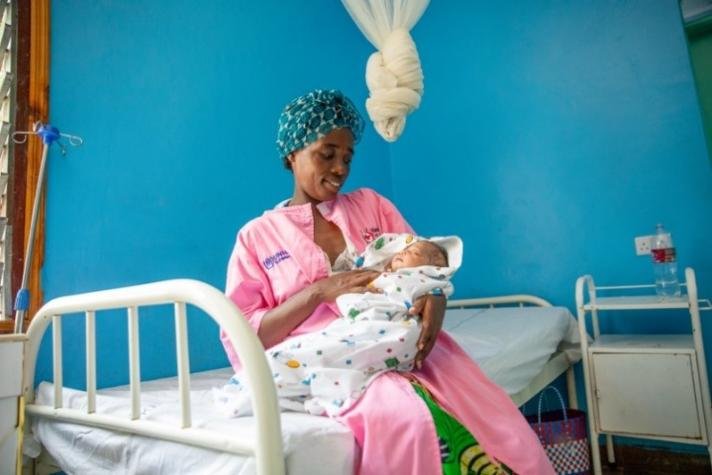
Swedfund, Swedens development finance institution has committed $600,000 (approximately KSh 77 million) to Jacaranda Maternity, a Nairobi-based healthcare provider focused on delivering affordable maternity services to low- and middle-income communities.

By integrating AI into community health systems, the Ministry aims to improve service delivery, enable faster identification of health trends, and ensure resources are directed where they are needed most. The technology is expected to help community health promoters prioritize visits, identify at-risk patients, and track disease patterns in real time.
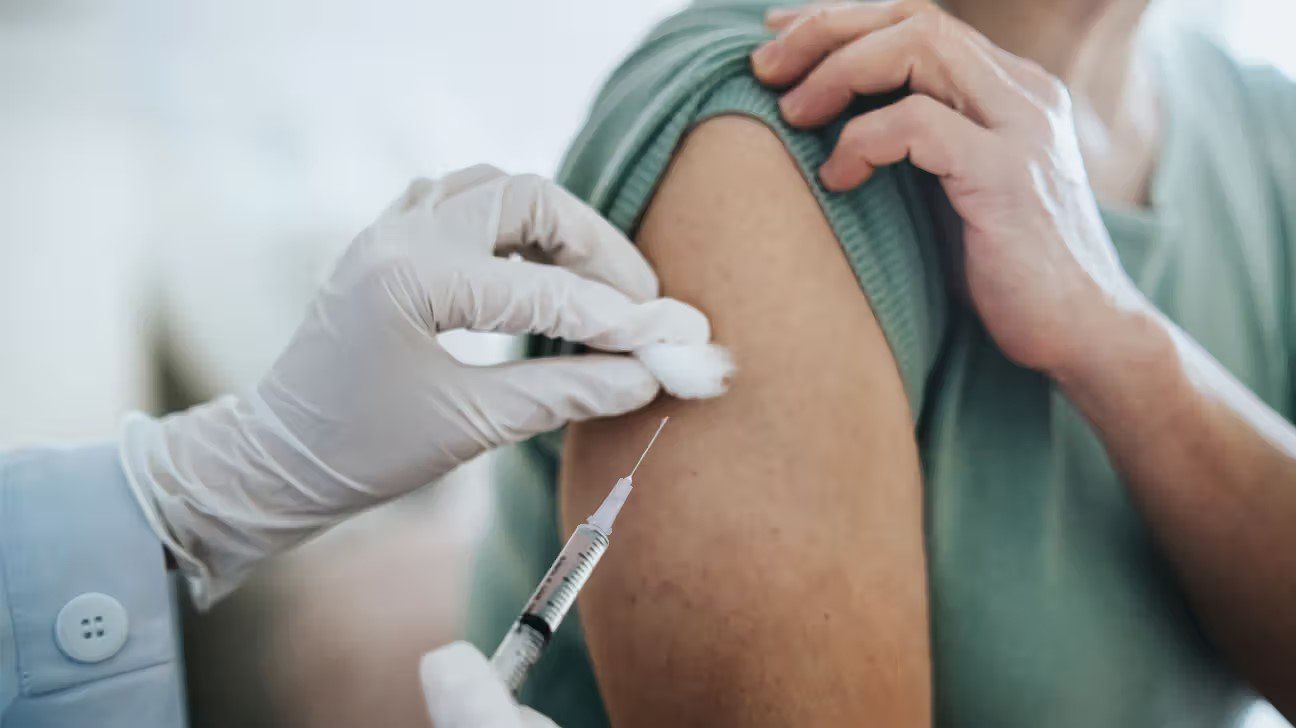
Lenacapavir, known as LEN, is administered subcutaneously every six months after initiation.
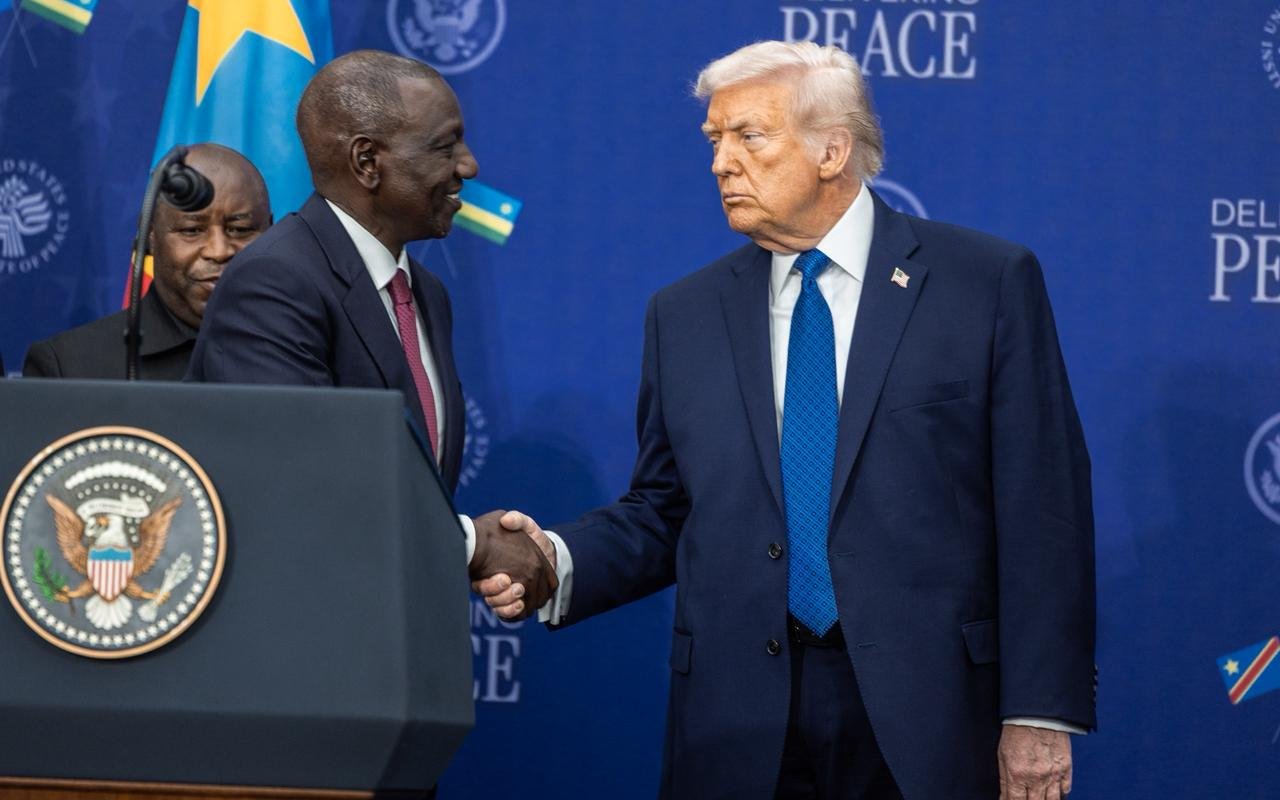
Seventeen African countries have signed bilateral health agreements with the United States under President Donald Trump's "America First" global health strategy, securing billions in funding but triggering a continent-wide backlash over demands for sensitive health data, mining access, and what critics describe as "lopsided" terms that undermine sovereignty.
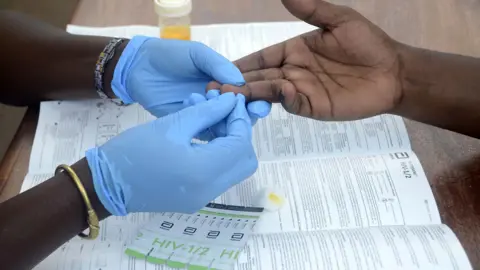
The United States has begun winding down health assistance to Zimbabwe after negotiations over a $367 million bilateral funding agreement collapsed, with Harare rejecting what it described as "lopsided" conditions requiring access to sensitive health data without guarantees of reciprocal benefits.