
Now Reading: Technology could finally narrow Africa’s rural healthcare gap
-
01
Technology could finally narrow Africa’s rural healthcare gap
Technology could finally narrow Africa’s rural healthcare gap

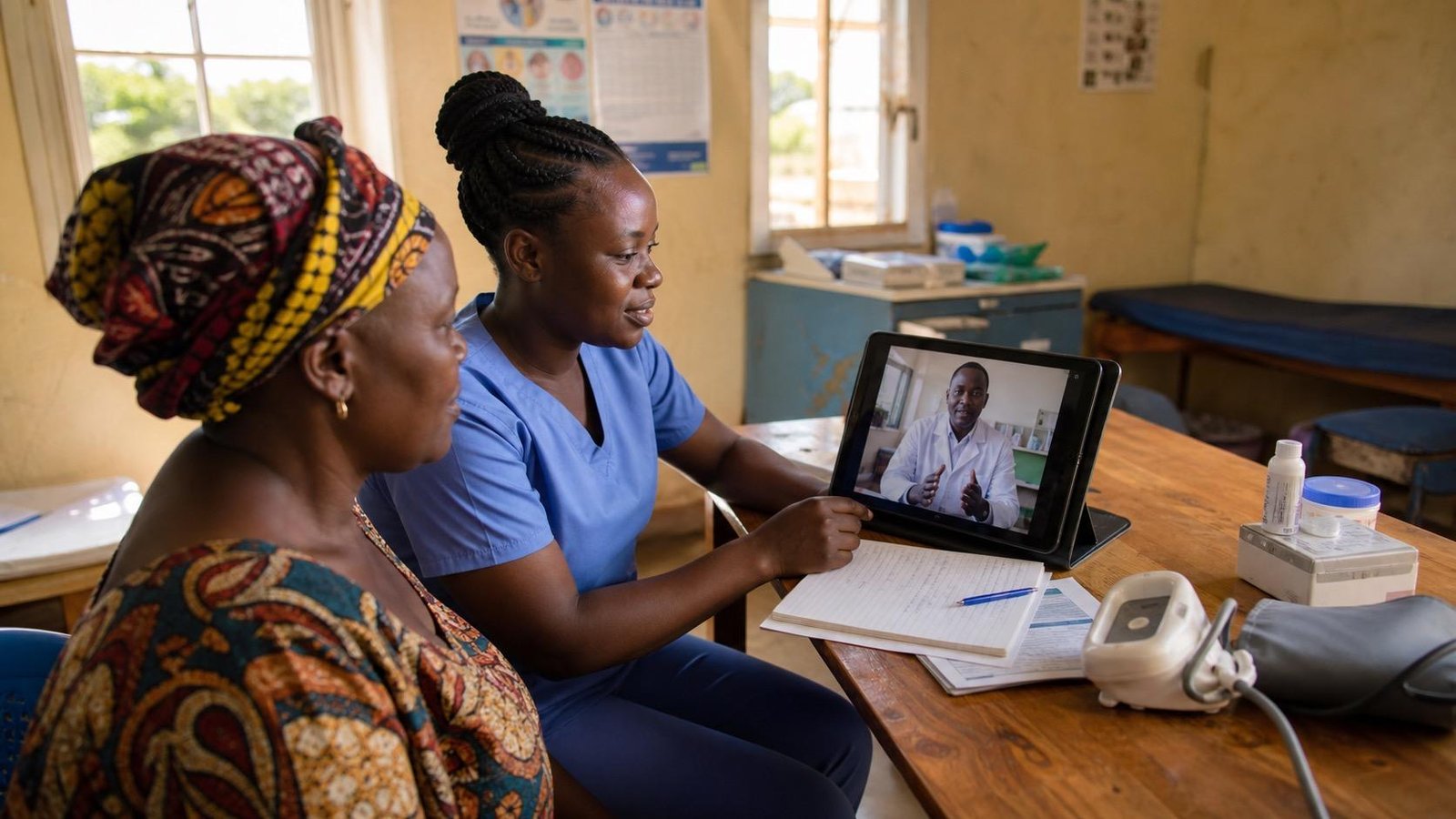

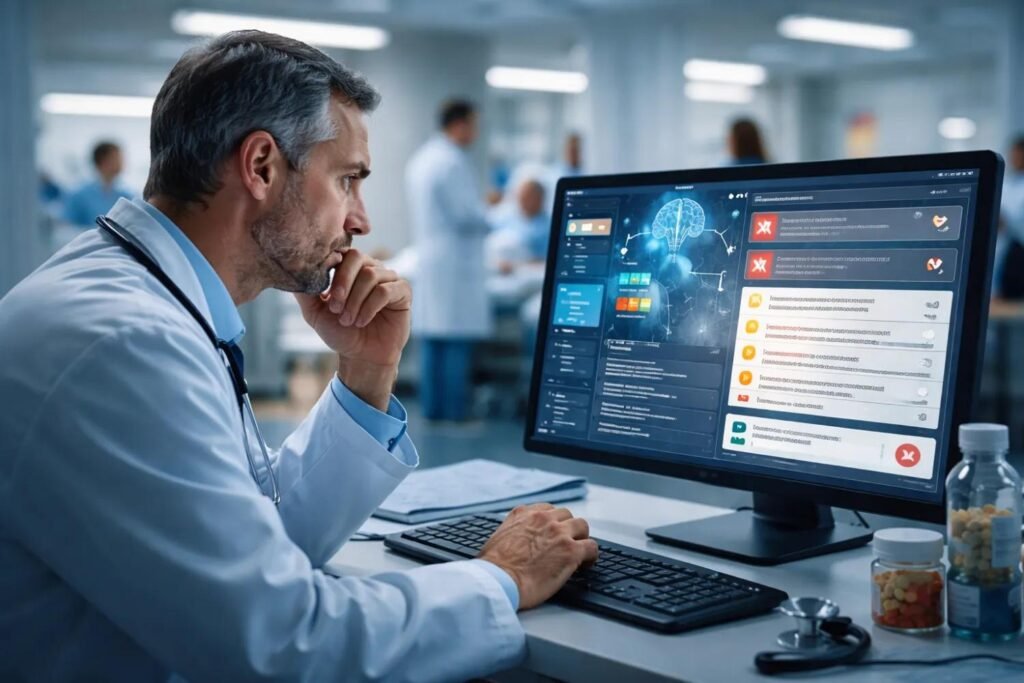
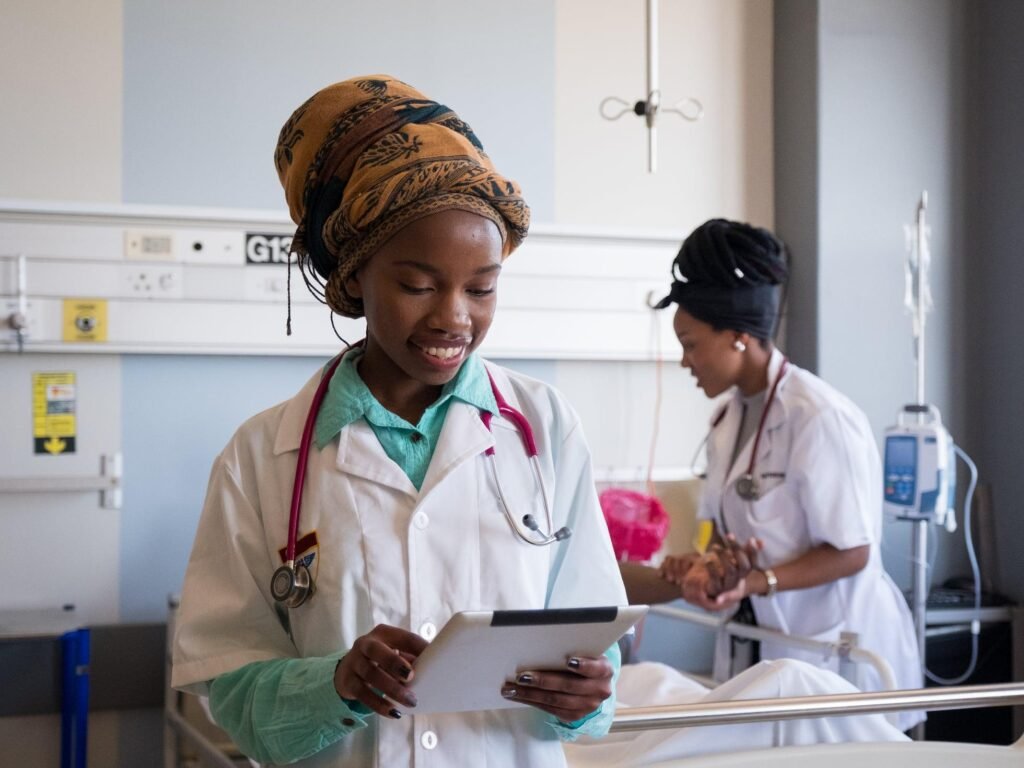
For millions of people living far from major hospitals, distance can still determine how quickly they receive medical care. Rural healthcare technology is beginning to change that equation by connecting patients and frontline workers to specialists, digital records, remote monitoring, and diagnostic tools without requiring every service to be physically located in a major town. The opportunity is particularly significant in Africa, where rural facilities often operate with fewer healthcare workers and constrained infrastructure. But technology alone will not close the gap; its success will depend on reliable infrastructure, secure data, and systems designed around the realities of rural communities.
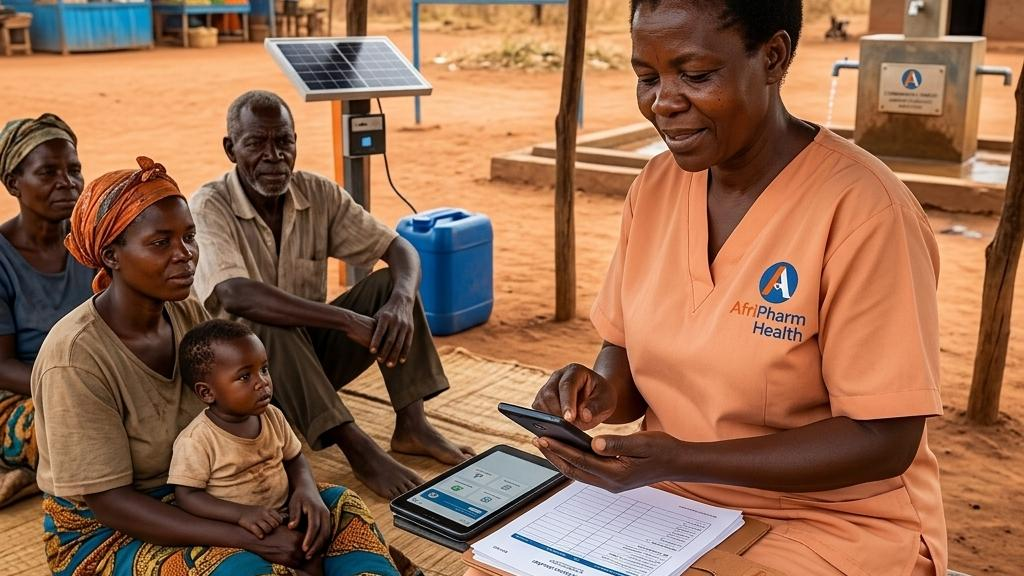
Rural healthcare technology must start with stronger digital infrastructure
The first challenge is less glamorous than artificial intelligence but arguably more important: the infrastructure underneath digital healthcare. Electronic health records (EHRs) that are slow or fragmented, disconnected systems, and unreliable connectivity can prevent even sophisticated tools from delivering value. Health experts identify stronger EHR performance, interoperability, and automated reporting as foundational elements of effective rural transformation.
Kenya’s experience illustrates why this foundation matters. The country’s Ministry of Health is advancing a wider digital-health transformation, while its AfyaKE platform already supports electronic referrals, decentralized telemedicine, and a master patient registry across more than 170 facilities.
For health businesses and technology providers, this creates an expanding market for connectivity, cloud infrastructure, cybersecurity, health-information systems, and devices capable of operating in resource-constrained environments.
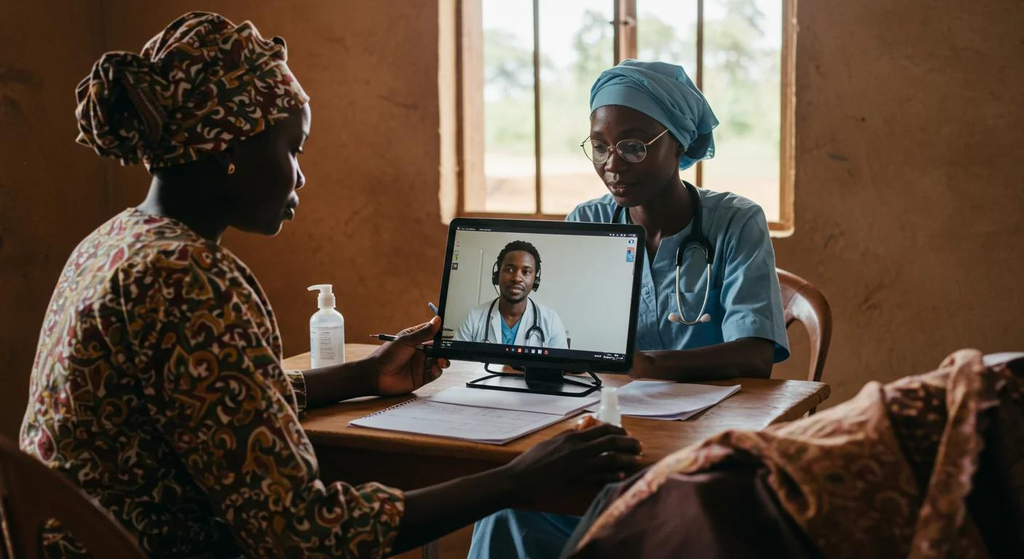
Rural healthcare technology can bring specialist care closer
The more visible opportunity is connected care. Telehealth can reduce unnecessary journeys, while remote patient monitoring allows clinicians to track chronic conditions between physical appointments. Digital imaging and virtual consultations can also help rural facilities obtain specialist input without immediately transferring patients to distant hospitals.
Kenya is already testing this model. In Murang’a, a smart telemedicine system at Kiriani Dispensary uses connected devices including ECG, spirometry, blood-pressure, and glucose monitoring equipment to transmit patient information to clinicians. The system is designed to support faster decisions, referrals, and even home monitoring for chronic illnesses.
See Also: The hidden culture problem holding businesses back
Yet expanding rural healthcare technology also raises a critical business and policy issue: cybersecurity. Rural providers can have limited security resources, making identity controls, role-based access, secure backups, and ransomware recovery essential rather than optional.
The strongest rural health systems will therefore not simply buy more technology. They will build connected ecosystems in which infrastructure, clinical workflows, skilled workers, and security reinforce one another. That is where technology can move from being an expensive add-on to becoming genuine healthcare infrastructure.
Related Posts
Previous Post
Next Post



Pingback: Kenya’s housing crisis is forcing families to sacrifice essentials