
Now Reading: Digital Farm Mechanization Could Help Kenya’s Smallholders Plant on Time
-
01
Digital Farm Mechanization Could Help Kenya’s Smallholders Plant on Time
Digital Farm Mechanization Could Help Kenya’s Smallholders Plant on Time

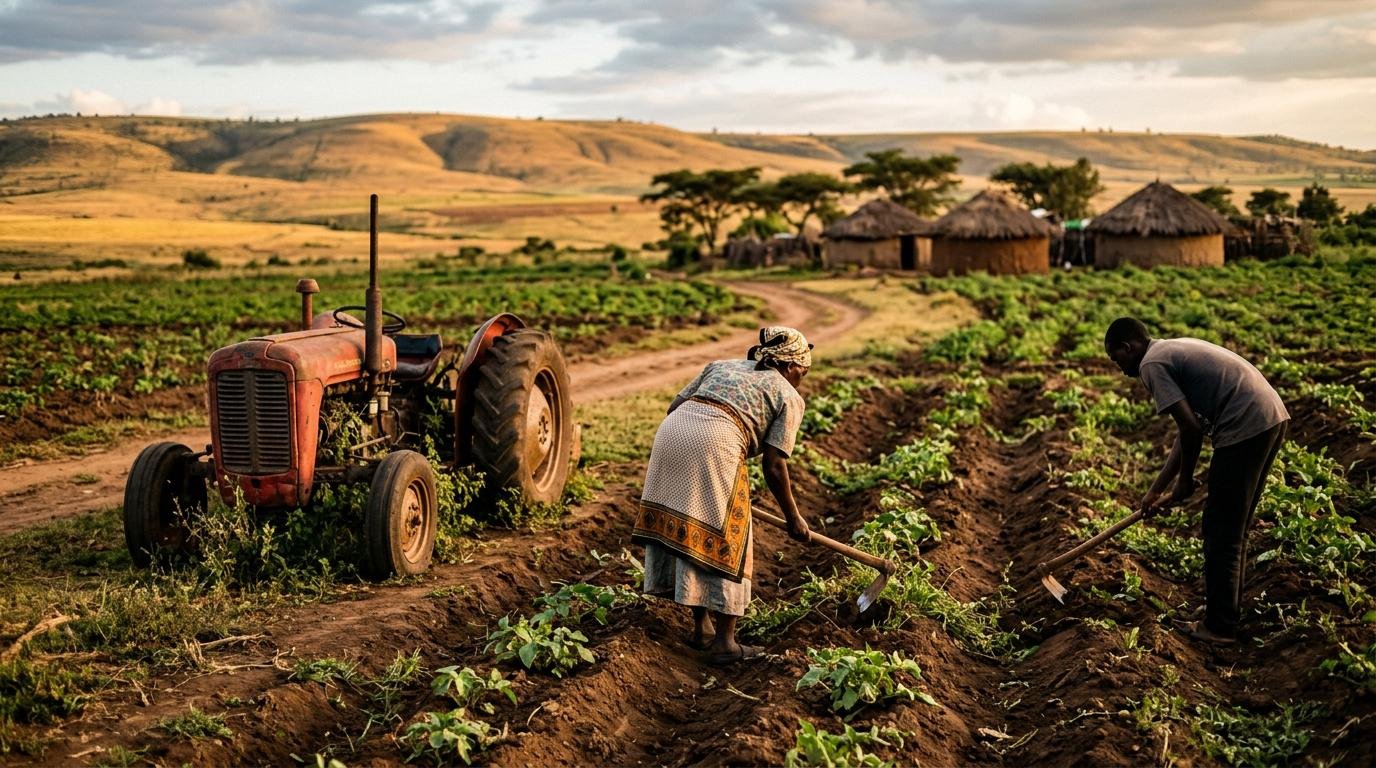

For smallholder farmers, the difference between a strong harvest and a disappointing season can begin before a single seed enters the soil. When tractors arrive late, land preparation slips, planting windows narrow, and farmers risk losing valuable time when rainfall is most favorable. Digital farm mechanization is offering a way to reduce these delays by connecting farmers with equipment owners and local service providers without requiring every farmer to buy expensive machinery.
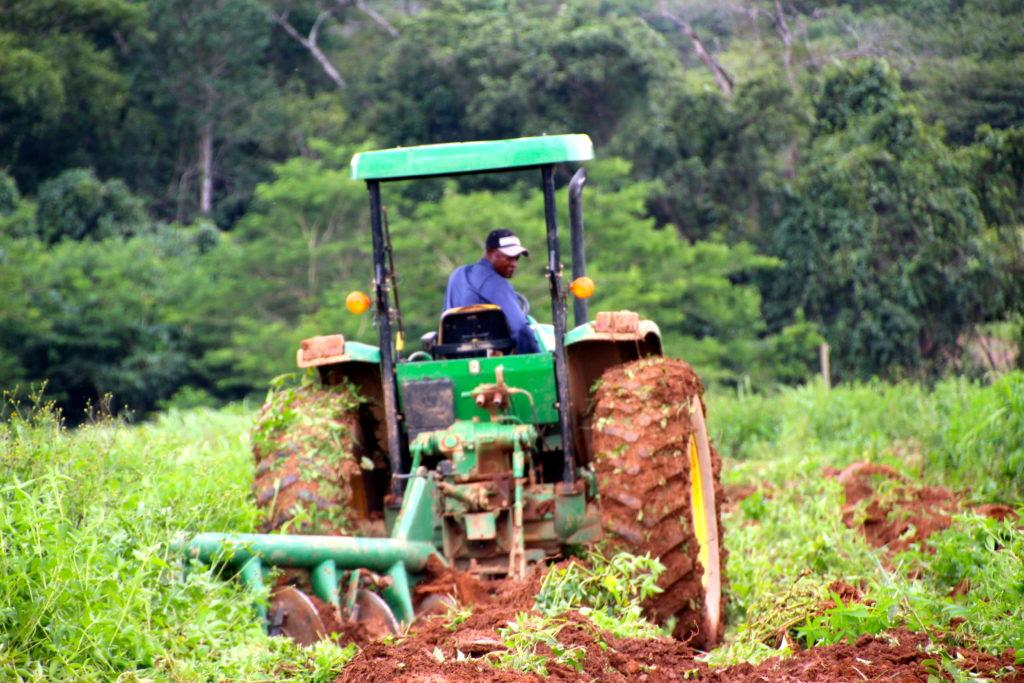
Digital farm mechanization turns tractor access into a business opportunity
The model addresses a longstanding economic problem. Tractors, planters, and harvesters can be costly to purchase, maintain, and operate, while small farms may not generate enough work to justify individual ownership. Hiring services allow farmers to pay for machinery when needed, spreading equipment costs across multiple customers. Digital booking platforms can make that market work more efficiently by helping farmers identify available machinery and enabling operators to organize their schedules.
In Kenya, platforms such as Hello Tractor connect farmers with tractor owners through digital tools and local booking agents. Farmers can arrange services such as ploughing and land preparation, with mobile money helping simplify payment. This combination of technology and community-level support can also help farmers who are less comfortable using smartphone applications.
The potential extends beyond convenience. A 2026 study examining mechanization hire services among 642 farmers in Kenya, Zambia, and Zimbabwe found that hiring machinery was associated with higher maize yields and household incomes. The reported benefits were particularly pronounced among lower-income households, suggesting that shared access can make productivity-enhancing equipment more accessible to farmers who cannot afford to own it.
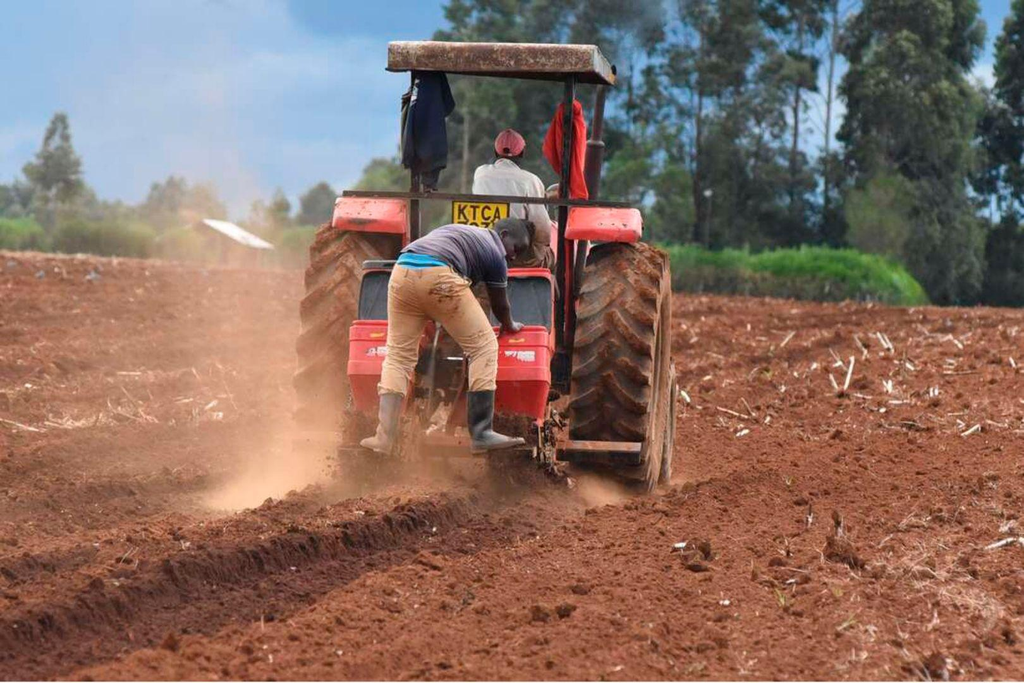
Digital farm mechanization could create opportunities for women and youth
Access remains uneven, however. Women farmers may face additional barriers involving finance, labor burdens, information, and access to equipment. Digital farm mechanization will have a broader impact if services are designed around these realities rather than assuming every farmer has the same resources, mobility, or technology access.
A Kenya-focused initiative supported by the International Development Research Centre aims to expand mechanization services for 2,000 women and 1,500 men smallholder farmers, alongside 480 youth entrepreneurs in Bungoma, Kiambu, Embu, and Meru counties. Its approach combines a digital platform for connecting farmers to equipment with commercial village models intended to link producers to markets. The expected benefits include improved labor efficiency, reduced physical drudgery, and new income opportunities for rural businesses.
These local networks matter because technology alone cannot guarantee that machinery will arrive on time. Platforms need enough participating equipment owners, reliable operators, transparent pricing, and workable arrangements for farms that are dispersed or difficult to reach. Affordable credit and practical training can also help equipment owners maintain their machines and expand services into underserved areas.
For entrepreneurs, this creates a market beyond farming itself. Tractor owners can earn revenue from machinery that might otherwise sit idle, while booking agents, repair providers, and young service operators can build businesses around rural demand. Better coordination between these participants could help reduce delays while making mechanization services more commercially sustainable.
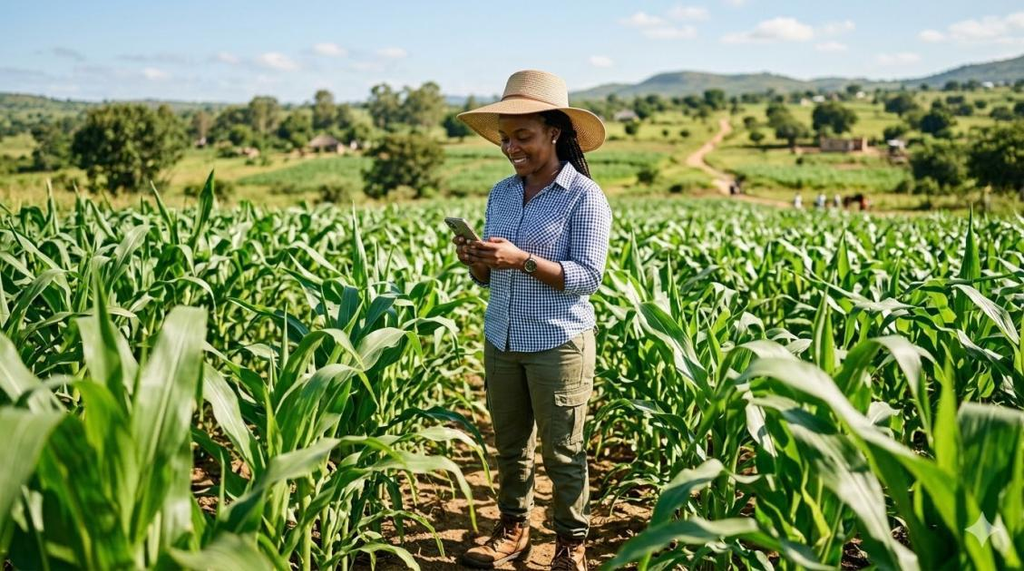
Timely farm services can strengthen food security and rural incomes
The wider economic stakes are substantial. Agriculture supports household incomes, rural employment, and food supply chains. When farmers prepare land and plant within suitable seasonal windows, they have a better chance of making productive use of available rainfall and farm inputs. Mechanization cannot eliminate drought, high input costs, or weak market prices, but it can remove some avoidable bottlenecks in production.
Also Read: Kenya Airways gets Sh45 billion lifeline as losses widen
The next challenge is ensuring that digital farm mechanization reaches farmers beyond well-connected locations. Services must work for people using basic phones, remain affordable for small plots, and provide dependable support during peak planting and harvesting periods. Measuring success should therefore go beyond the number of tractors listed on a platform to include timely service delivery, hectares cultivated, yields, farmer incomes, and participation by women and young people.
The commercial opportunity is not simply to put agriculture on an app. It is to build dependable rural service networks that match equipment, operators, and farmers at the right time. When farmers can access the tools they need without the burden of ownership, mechanization becomes more than a technological upgrade: it becomes an investment in productivity, stronger rural businesses, and more resilient food systems.
Related Posts





Pingback: Solar roofs and green infrastructure reshape urban investment