Now Reading: Kenya’s maize shortage puts unga prices at a critical crossroads
-
01
Kenya’s maize shortage puts unga prices at a critical crossroads
Kenya’s maize shortage puts unga prices at a critical crossroads

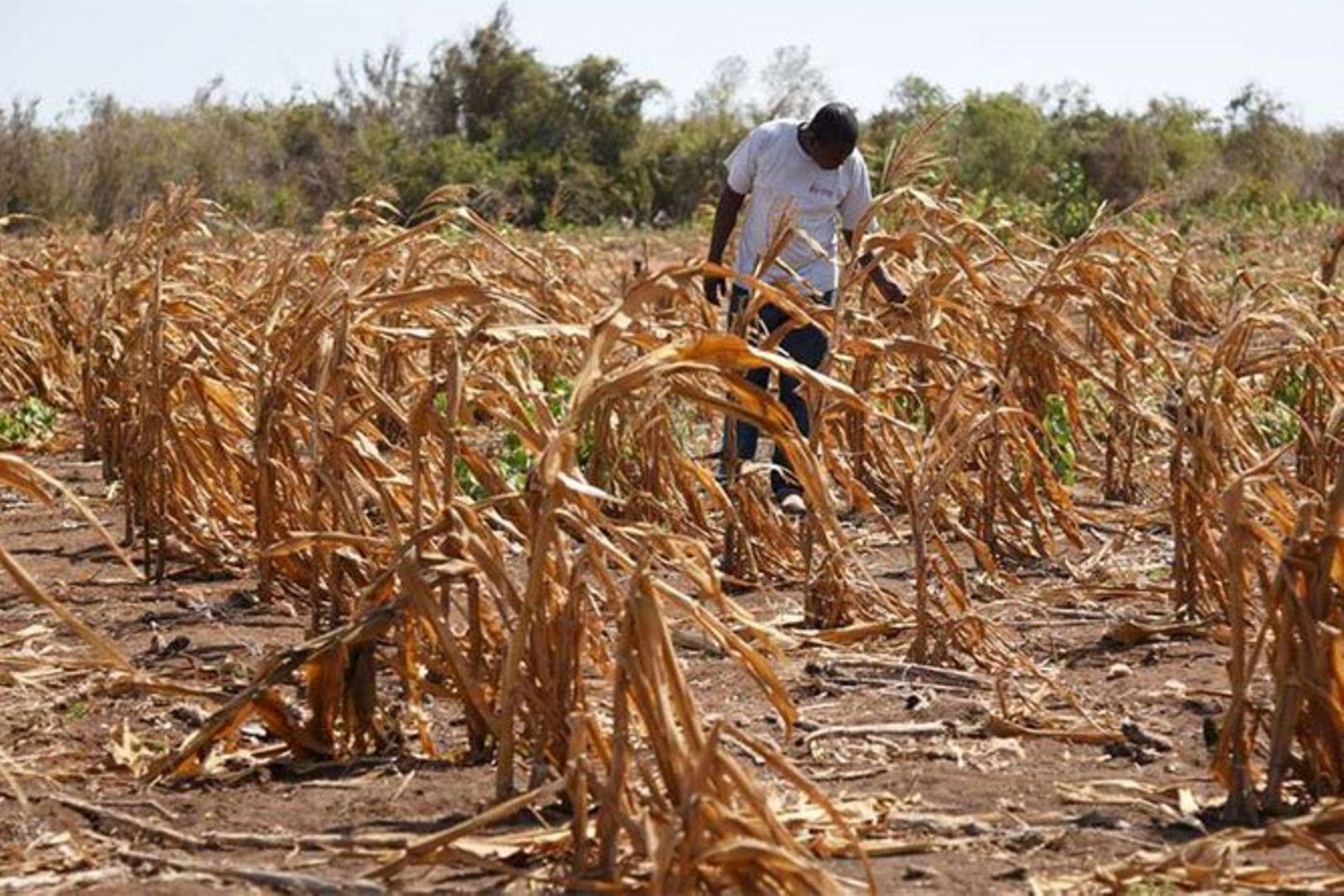

Kenya is preparing for another major intervention in the maize market, and the outcome could determine how much millions of households pay for unga in the coming months. The Cereal Millers Association has asked the government to allow 3 million tonnes of duty-free white maize imports over nine months as local supplies tighten after poor and unpredictable rainfall. Agriculture Cabinet Secretary Mutahi Kagwe is considering the request as Kenya faces an expected shortfall of about 25 million 90-kilogramme bags against annual consumption of roughly 75 million bags. The proposed imports could ease pressure on millers and prevent a sharper increase in flour prices, but they also expose a deeper problem: Kenya remains heavily dependent on rainfall to produce one of its most important food crops.
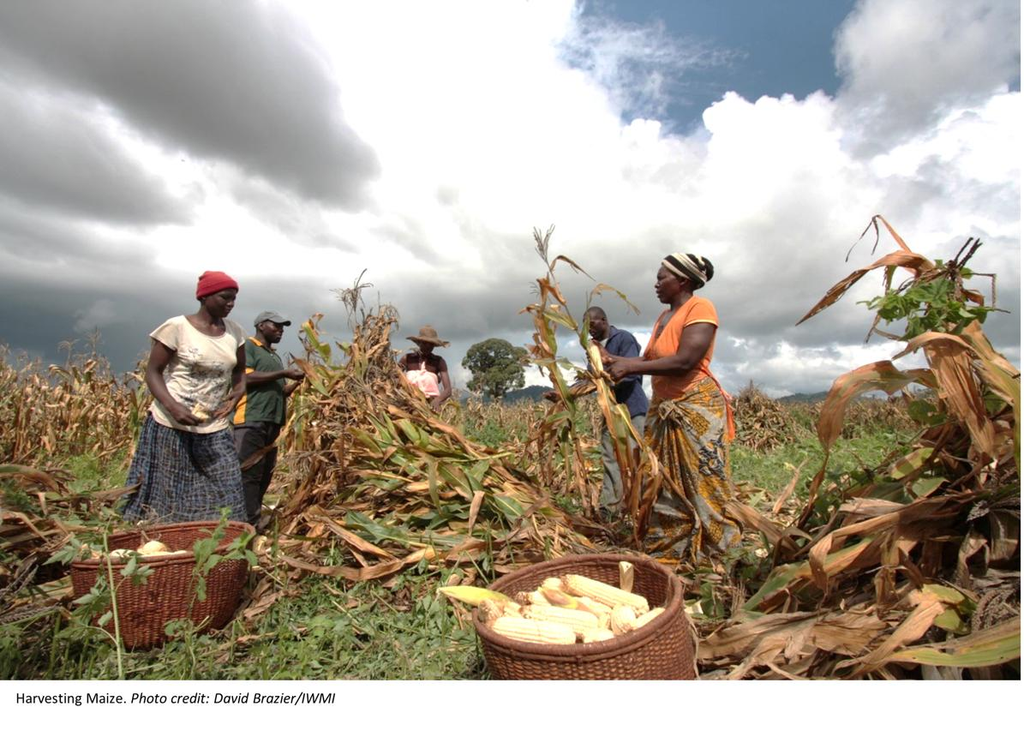
Maize imports in Kenya could determine the next unga price move
The immediate logic behind maize imports is straightforward. If millers cannot secure enough grain, competition for scarce stocks intensifies, raising the cost of their main raw material, and eventually feeding into retail flour prices. Kenya imported 468,109 tonnes of unmilled maize in 2025, up 51.4 per cent from 309,274 tonnes the previous year, demonstrating how quickly the country turns to external markets when domestic supplies tighten.
The challenge is that imported maize does not automatically translate into cheaper unga. The final price depends on the landed cost, including transport, insurance, financing, storage, border charges, testing, milling, packaging, and distribution. Maize sourced from landlocked countries such as Zambia can accumulate particularly high logistics costs before reaching Kenyan mills. Kagwe has warned that grain can spend three to five days at the border, adding costs that ultimately reach consumers.
That means the proposed duty-free window could provide relief, but only if the grain arrives quickly enough, and at a competitive landed price.
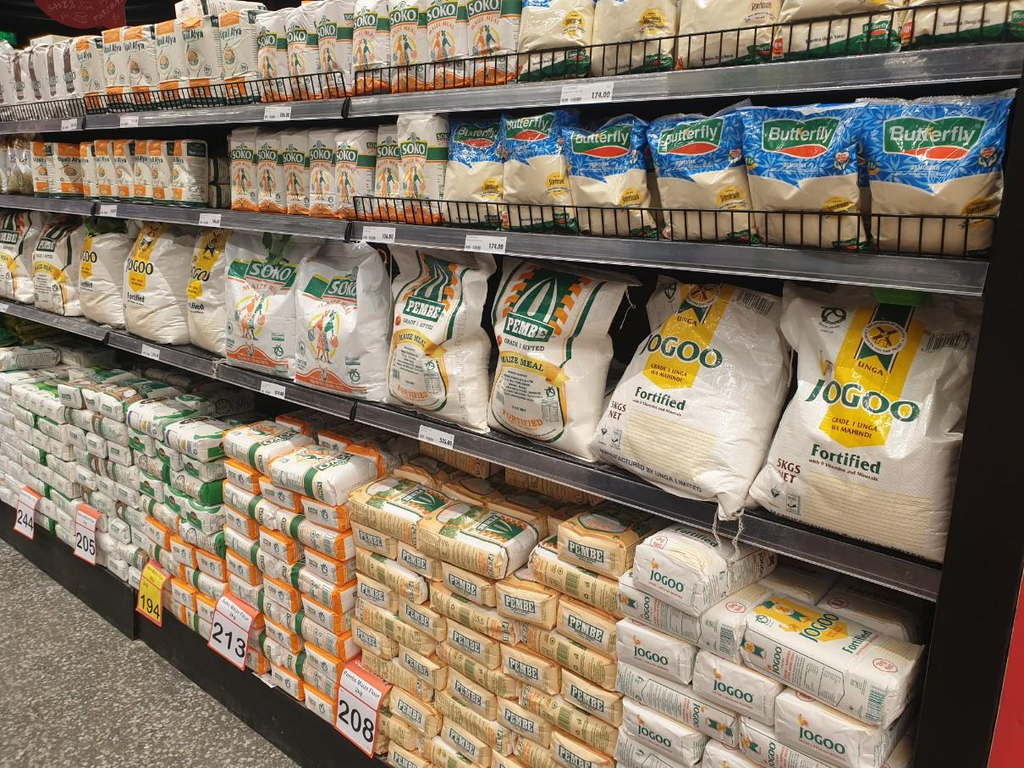
Maize imports in Kenya expose a bigger food-security problem
The bigger concern surrounding maize imports is what happens after the immediate shortage disappears. Government figures show maize production increased from 34 million bags in 2022 to 67 million bags in 2025, while imports fell from 9.9 million bags to 3.3 million over the same period. The pattern illustrates the country’s vulnerability: good harvests reduce import dependence, while poor weather quickly reverses the gains.
The latest drought is already being felt in major producing regions. Farmers in Uasin Gishu and other parts of the Rift Valley have reported severe crop losses, while maize prices rose 3.3 per cent in July as domestic supplies tightened.
The government is also exploring yellow maize imports for animal-feed manufacturers to reduce competition for white maize used in human consumption. That could free more food-grade grain for millers, but its success depends on how quickly feed manufacturers can shift to alternative supplies.
For consumers, the calculation is simple: imports that arrive before stocks become critically low could soften a price shock. But flooding the market with cheap grain at the wrong time could hurt farmers by depressing the prices they receive after investing in seed, fertilizer, and labor.
The 3-million-tonne proposal is therefore more than an import plan. It is a temporary bridge over a structural gap. Kenya still needs irrigation, better seed, higher farm productivity, stronger storage, and lower post-harvest losses if it wants to make unga prices less vulnerable to every failed rainy season.
The real measure of success will not be how much maize Kenya imports, but whether the breathing space created by those imports is used to make the next harvest less dependent on the weather.
Related Posts



Previous Post
Next Post