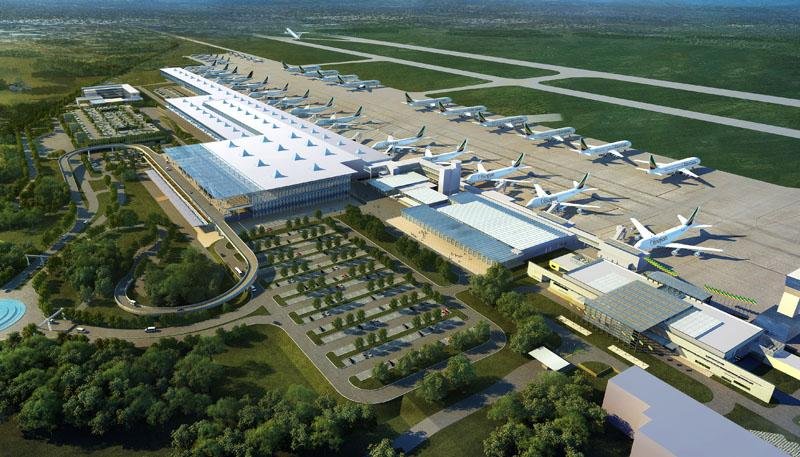
Africa’s aviation industry is entering a new growth phase, creating opportunities across airports, cargo, maintenance, training, technology, and regional connectivity.
Covers the business of airlines, airports, and regulatory developments in Kenya’s aviation sector. Reports on travel trends, cargo logistics, and industry competition.
Africa’s aviation industry is entering a new growth phase, creating opportunities across airports, cargo, maintenance, training, technology, and regional connectivity.
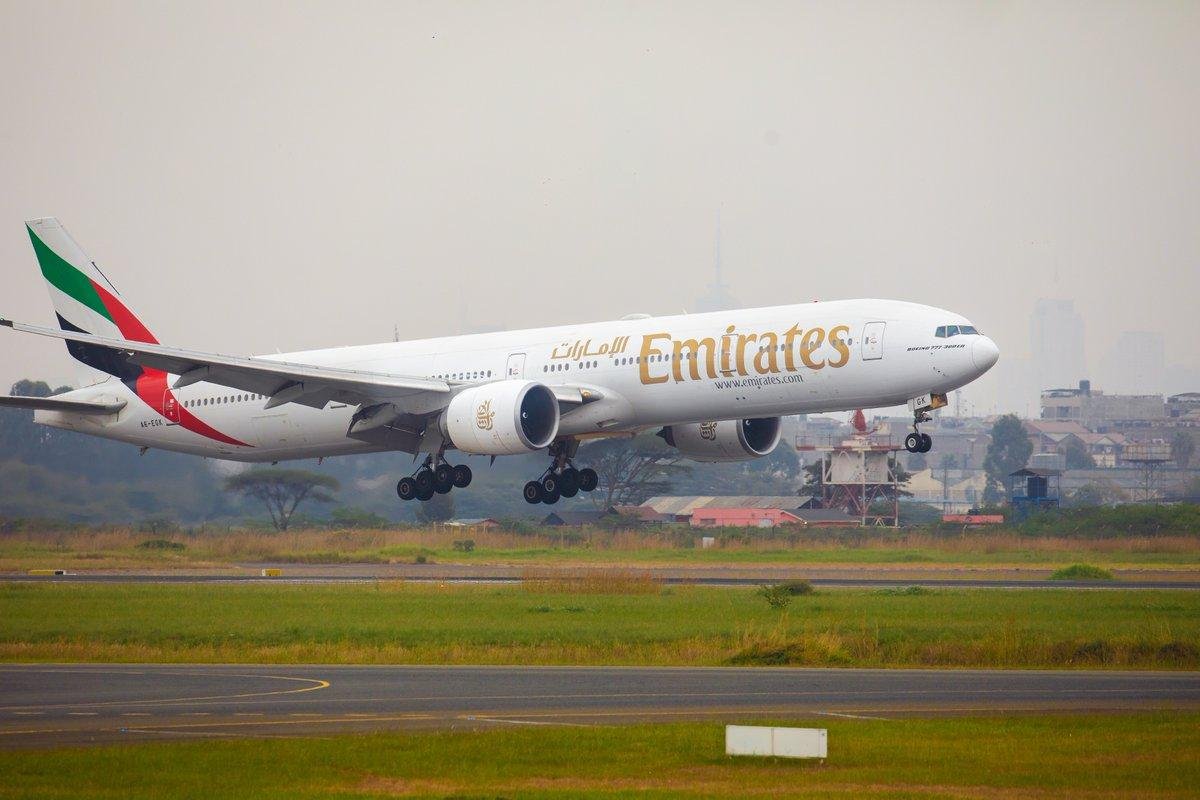
Kenya’s aviation market is becoming a more important battleground for global airlines, and Emirates is signaling that it intends to compete for more of the region’s premium and connecting traffic.
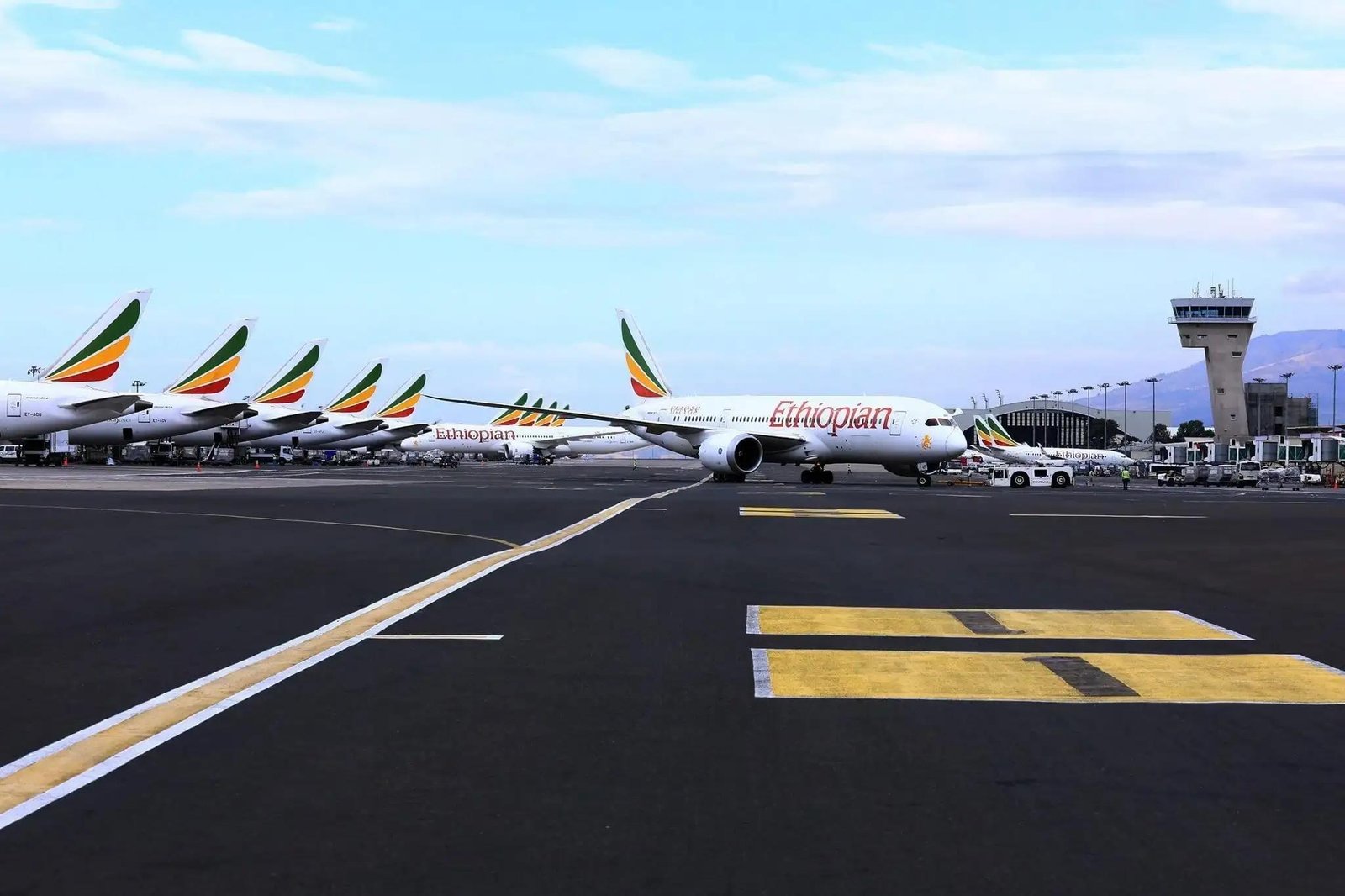
Winning once can be a sign of excellence. Winning repeatedly suggests something deeper: an organization has built systems capable of producing excellence consistently.
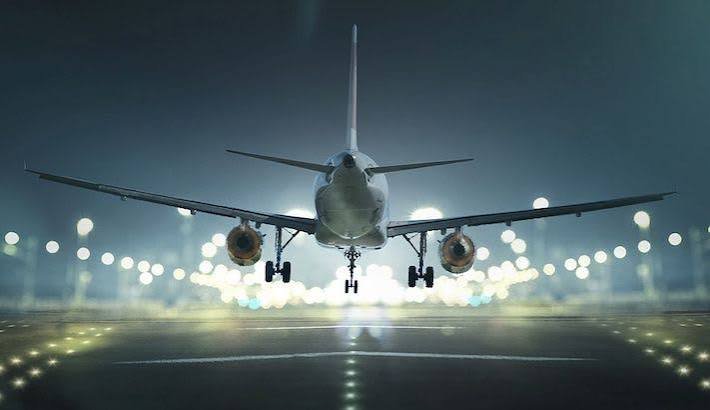
Africa’s aviation industry is facing a profitability squeeze just as demand for air travel is expanding, creating a dangerous mismatch between growth and the economics of operating an airline.
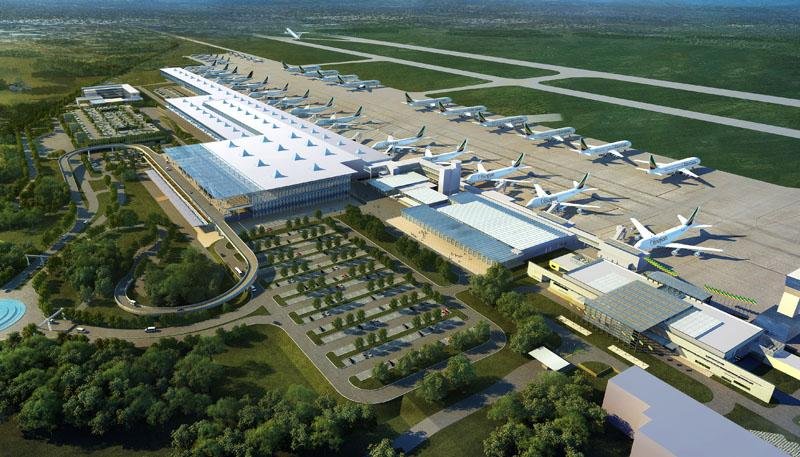
Africa's aviation growth is reshaping the continent’s role in global travel and trade, as airlines expand capacity, passenger demand climbs, and new hubs emerge across key cities.
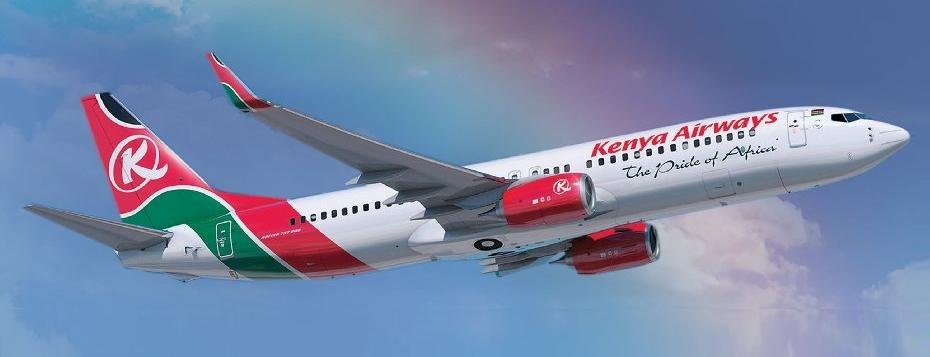
Critics caution that increased government involvement can also introduce inefficiencies if not managed carefully.

Kiharu MP Ndindi Nyoro purchased approximately 10.4 million shares valued at about KSh 49 million, while Thika Town MP Alice Ng’ang’a acquired 2.3 million shares worth around KSh 11 million, according to February 2026 regulatory filings.
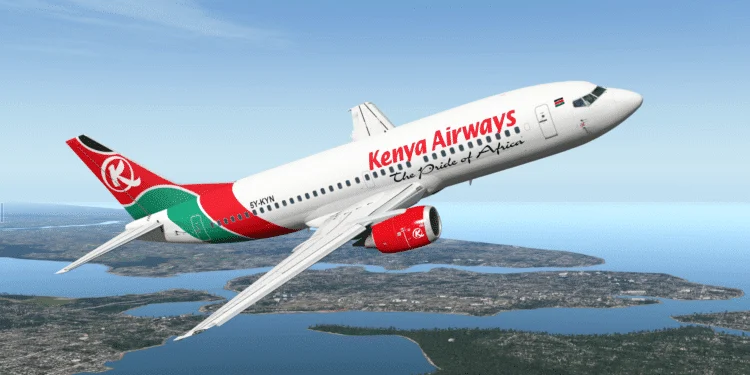
The national carrier attributed the downturn largely to global supply chain disruptions that led to the grounding of key aircraft, reduced capacity, and declining revenues, despite strong underlying demand for air travel.

South African Airways will enable customers booking through its website or mobile application to select Bitcoin as a payment option at checkout.
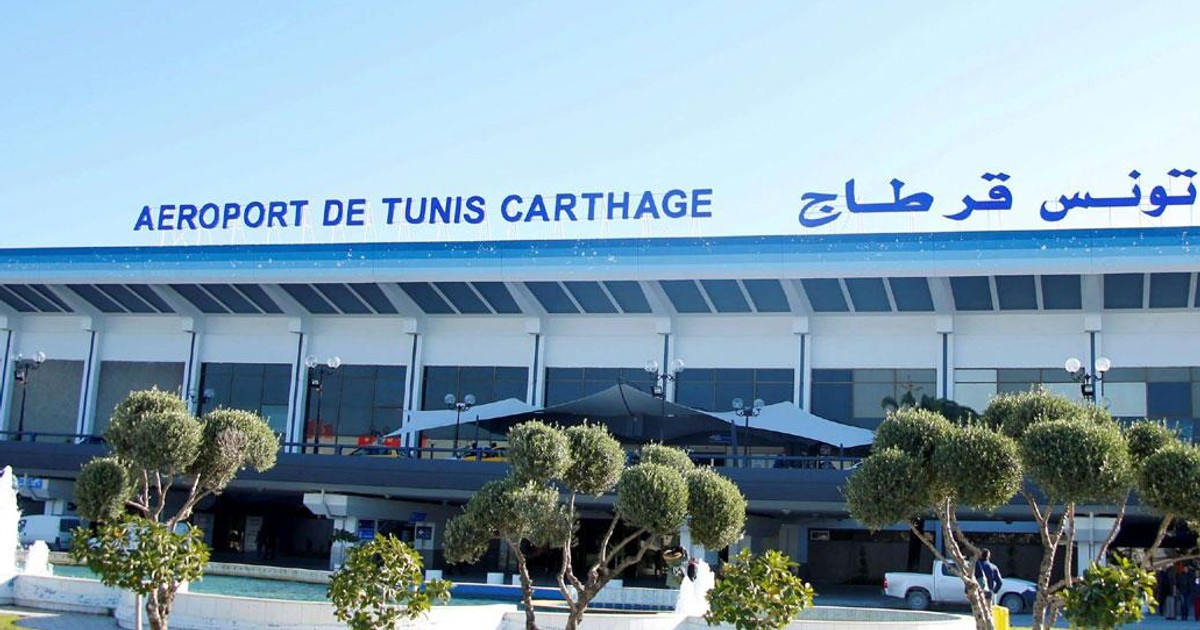
Tunisia has abandoned plans to build a new airport and will instead invest $1 billion in expanding its main Tunis-Carthage International Airport, aiming to nearly quadruple passenger capacity by 2031 as part of a major push to modernise the country's aviation infrastructure.