
The national carrier attributed the downturn largely to global supply chain disruptions that led to the grounding of key aircraft, reduced capacity, and declining revenues, despite strong underlying demand for air travel.
Covers the business of airlines, airports, and regulatory developments in Kenya’s aviation sector. Reports on travel trends, cargo logistics, and industry competition.
The national carrier attributed the downturn largely to global supply chain disruptions that led to the grounding of key aircraft, reduced capacity, and declining revenues, despite strong underlying demand for air travel.

South African Airways will enable customers booking through its website or mobile application to select Bitcoin as a payment option at checkout.
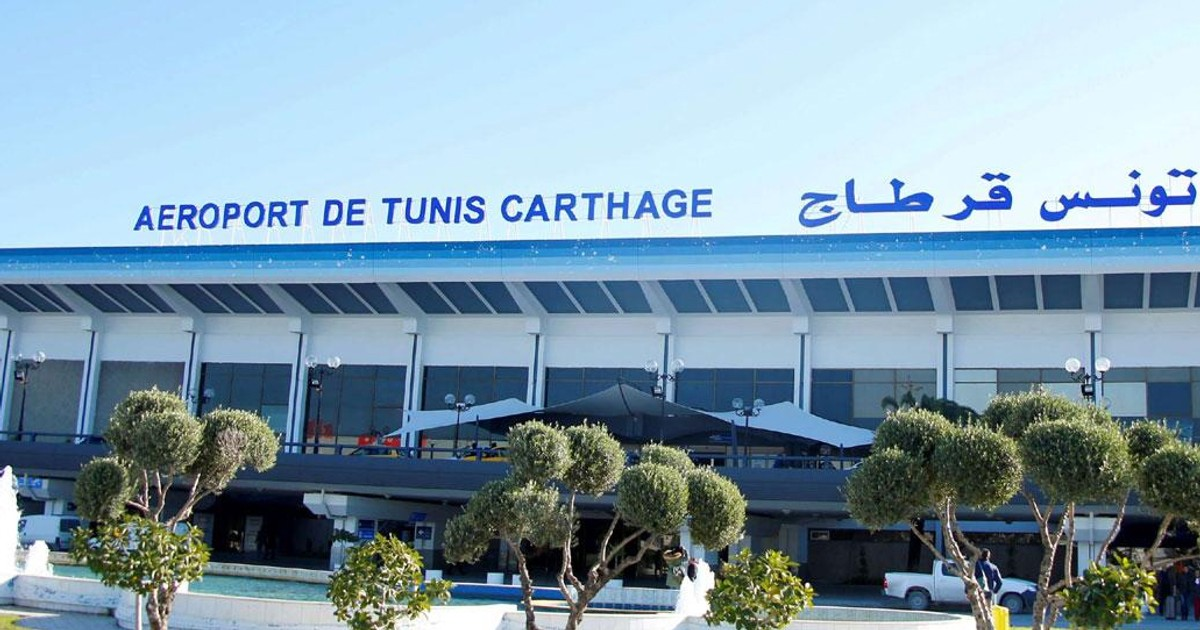
Tunisia has abandoned plans to build a new airport and will instead invest $1 billion in expanding its main Tunis-Carthage International Airport, aiming to nearly quadruple passenger capacity by 2031 as part of a major push to modernise the country's aviation infrastructure.

The master plan addresses every facet of JKIA operations. A second runway is targeted for completion by 2029, alongside wider airfield upgrades designed to increase declared capacity to approximately 63 aircraft movements per hour, a dramatic improvement from the current 14 movements per hour.
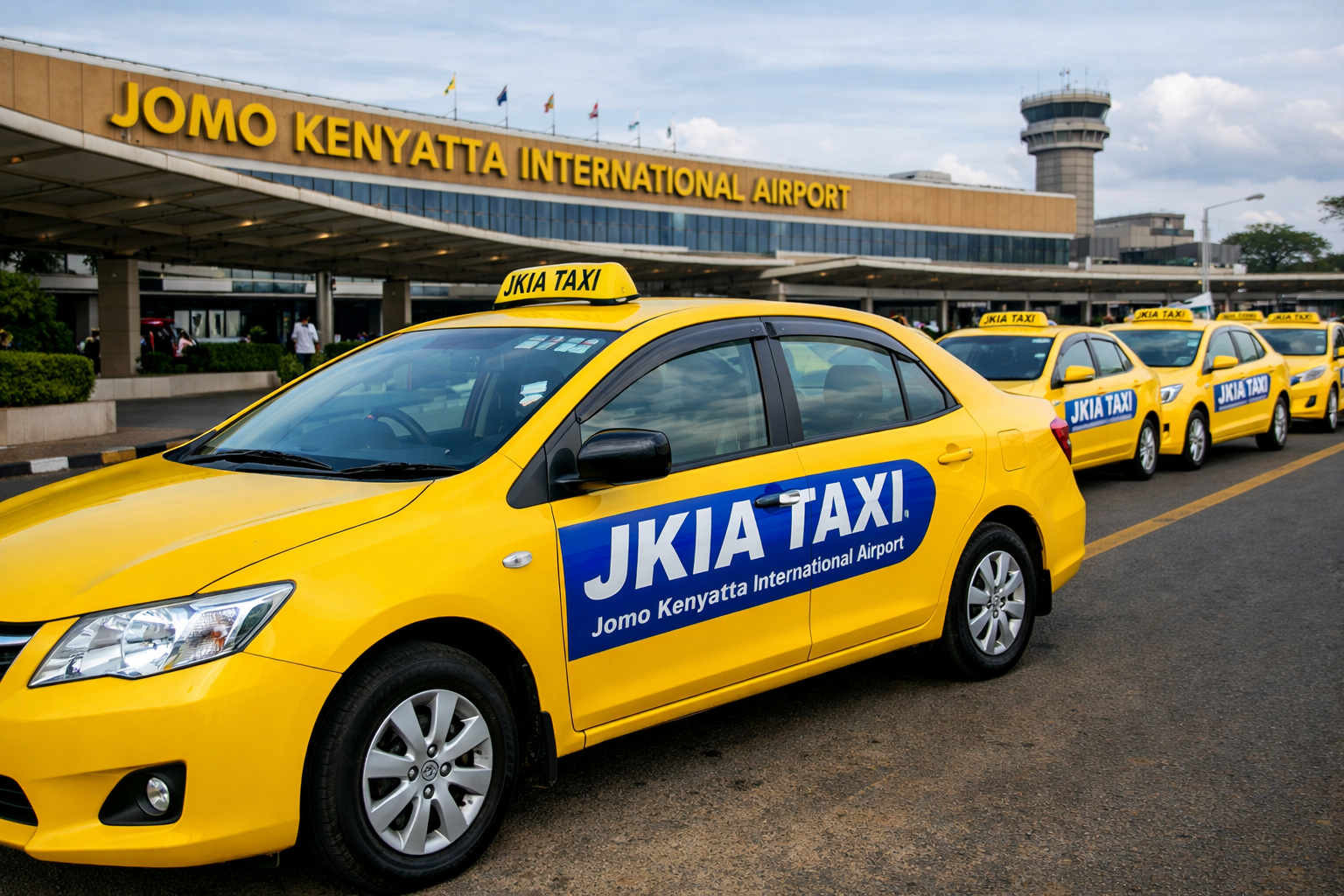
Kenya Airports Authority (KAA) plans to launch its own taxi app at Jomo Kenyatta International Airport (JKIA) to compete with Uber and Bolt while boosting safety and revenue.

New York City locks down under a historic blizzard, with Mayor Zohran Mamdani issuing a rare full travel ban as a potential bomb cyclone continues to disrupt airways.

Skyward Airlines has launched twice-weekly flights between Nairobi and Vipingo Ridge, a move expected to stimulate tourism, real estate investment and business travel across Kilifi County.

The government plans to sell its stake in Kenya Airways in a deal worth up to KSh258 billion to reduce losses, meet IMF conditions, and ease pressure on public finances.