
Now Reading: Kenya Airways gets Sh45 billion lifeline as losses widen
-
01
Kenya Airways gets Sh45 billion lifeline as losses widen
Kenya Airways gets Sh45 billion lifeline as losses widen

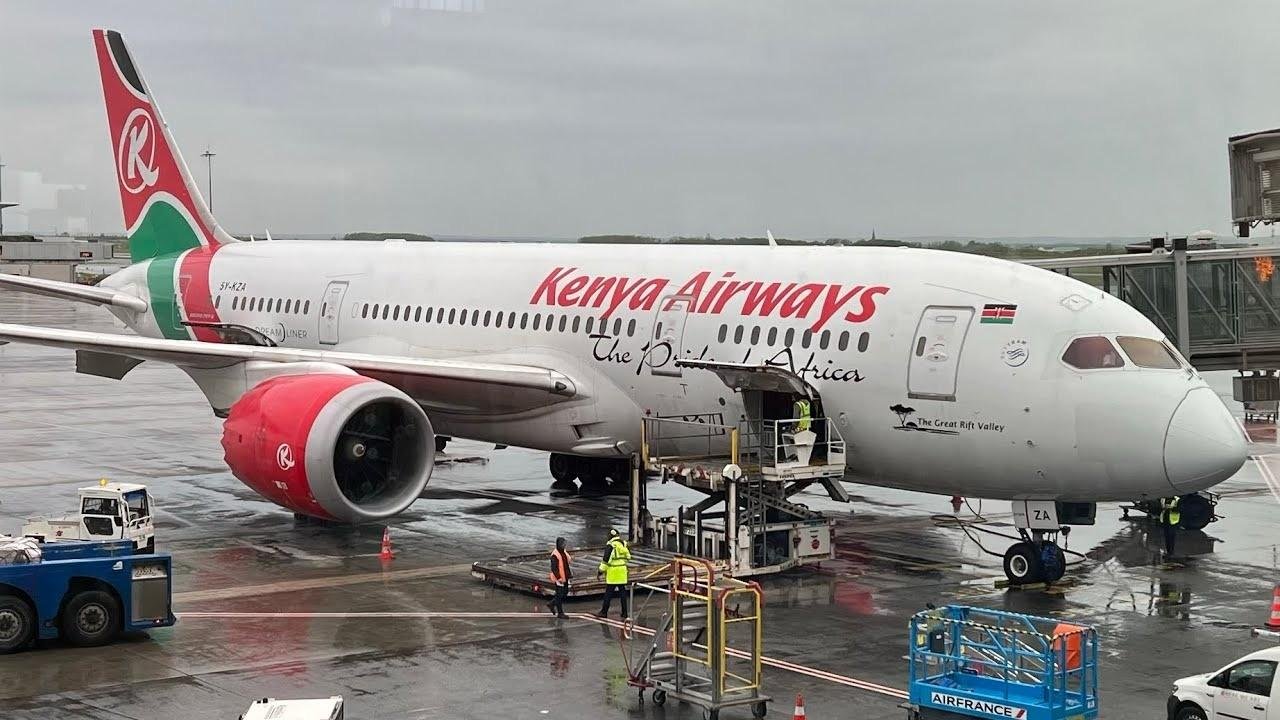

Kenya Airways is turning to government support as mounting financial pressures threaten to complicate its operational recovery. The Kenyan government has approved a $350 million state loan for the national carrier, which is grappling with debt obligations and the cost of returning grounded aircraft to service. The financing could provide breathing room for an airline that plays a strategic role in Kenya’s tourism, cargo transport, and international business connectivity. But the support also raises a critical commercial question: can fresh funding restore operational stability and improve the airline’s financial performance without creating further pressure on public finances?
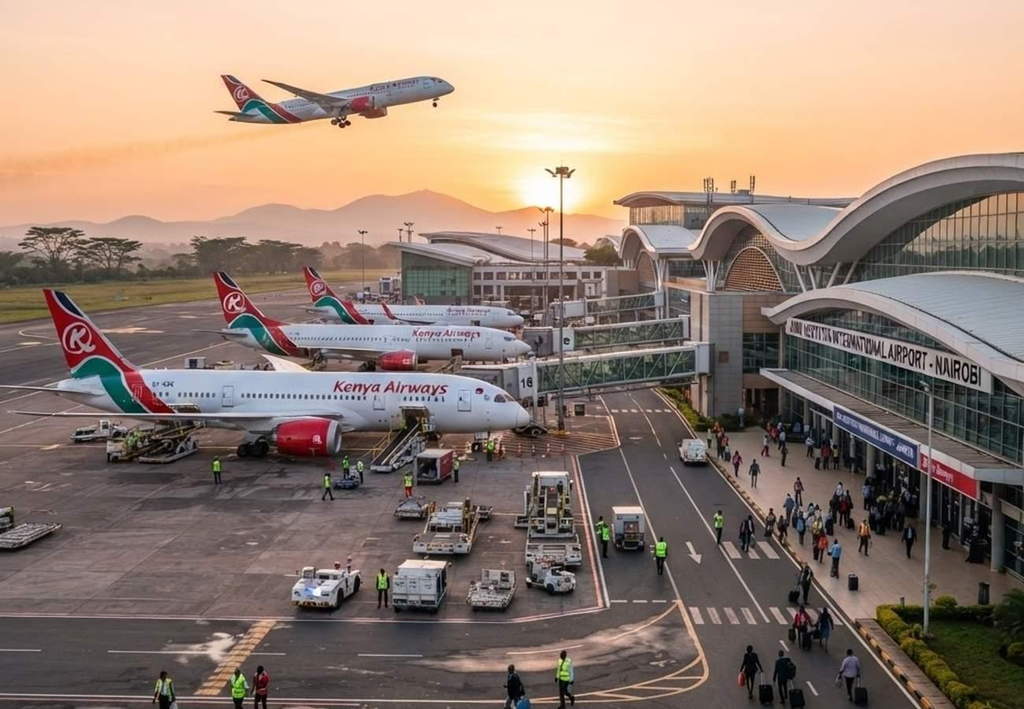
Kenya Airways loan targets aircraft recovery and debt restructuring
The Cabinet approved the $350 million financing on October 9, 2026, equivalent to approximately KSh45.4 billion. The money will be released in instalments under National Treasury supervision, with repayment extending up to 10 years. The arrangement could also be converted into equity, subject to the required approvals.
The immediate priority is to meet urgent financial obligations, including aircraft maintenance and returning grounded planes to service. Restoring aircraft capacity could help the airline carry more passengers and operate its network more reliably, although the funding alone does not guarantee a rapid return to profitability.
The government has also endorsed a proposal to restructure approximately KSh122 billion in existing loans and accrued interest into an equity-qualifying tradable instrument. This is a separate balance-sheet measure, not an additional cash injection, and remains subject to further approvals.
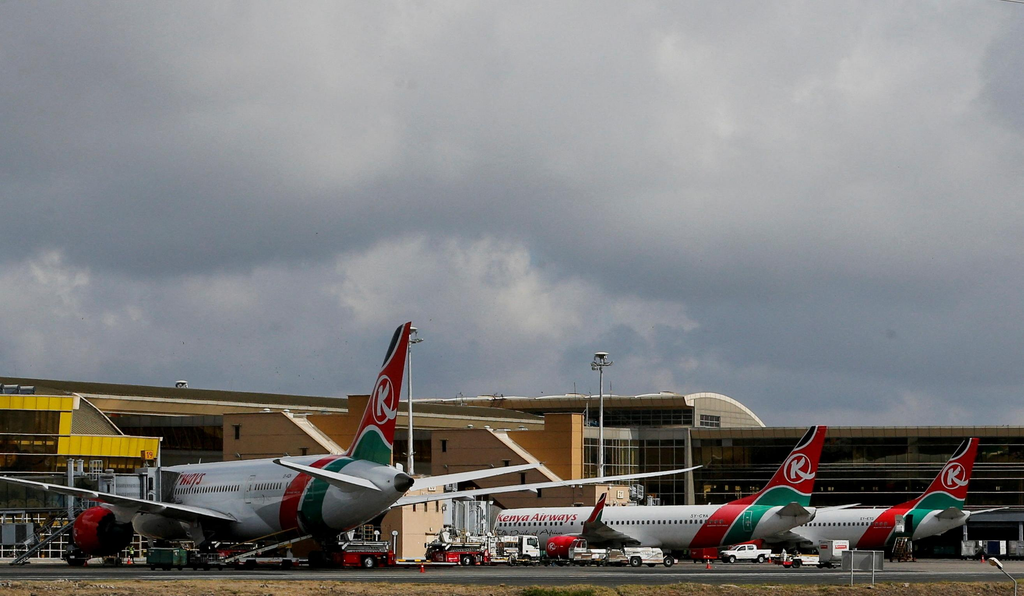
Kenya Airways loan comes as losses deepen despite revenue growth
Kenya Airways’ latest results illustrate the challenge facing its turnaround. Revenue rose 9% to KSh81 billion in the first half of 2026, but its after-tax loss widened to KSh16.1 billion from KSh12.2 billion during the same period in 2025.
The figures suggest that stronger revenue has not yet translated into improved profitability. Aircraft maintenance costs, fleet availability, fuel expenses, and other operating pressures continue to affect performance. The airline must therefore convert the new financing into reliable capacity, better cost control, and stronger cash generation.
Also Read: Kenya’s forgotten fruits could become a multibillion-shilling business
The government is also seeking a strategic investor to support the carrier’s longer-term recovery. That effort will depend partly on whether potential investors see a credible path towards financial sustainability rather than a business that repeatedly requires public support.
For Kenya, the stakes extend beyond the airline itself. Kenya Airways supports tourism, cargo movement, and international business connectivity, but public financing also carries an opportunity cost: the funds must ultimately be justified against competing demands on government resources.
The decisive test is whether the Kenya Airways state loan restores operational strength and creates a durable path to profitability. Aircraft returning to service would be an important first step. Sustained financial discipline, transparent restructuring, and a viable commercial strategy will determine whether the intervention becomes a turning point or another temporary reprieve.
Related Posts


Previous Post
Next Post




Pingback: Digital Farm Mechanization Could Help Kenya’s Smallholders Plant on Time