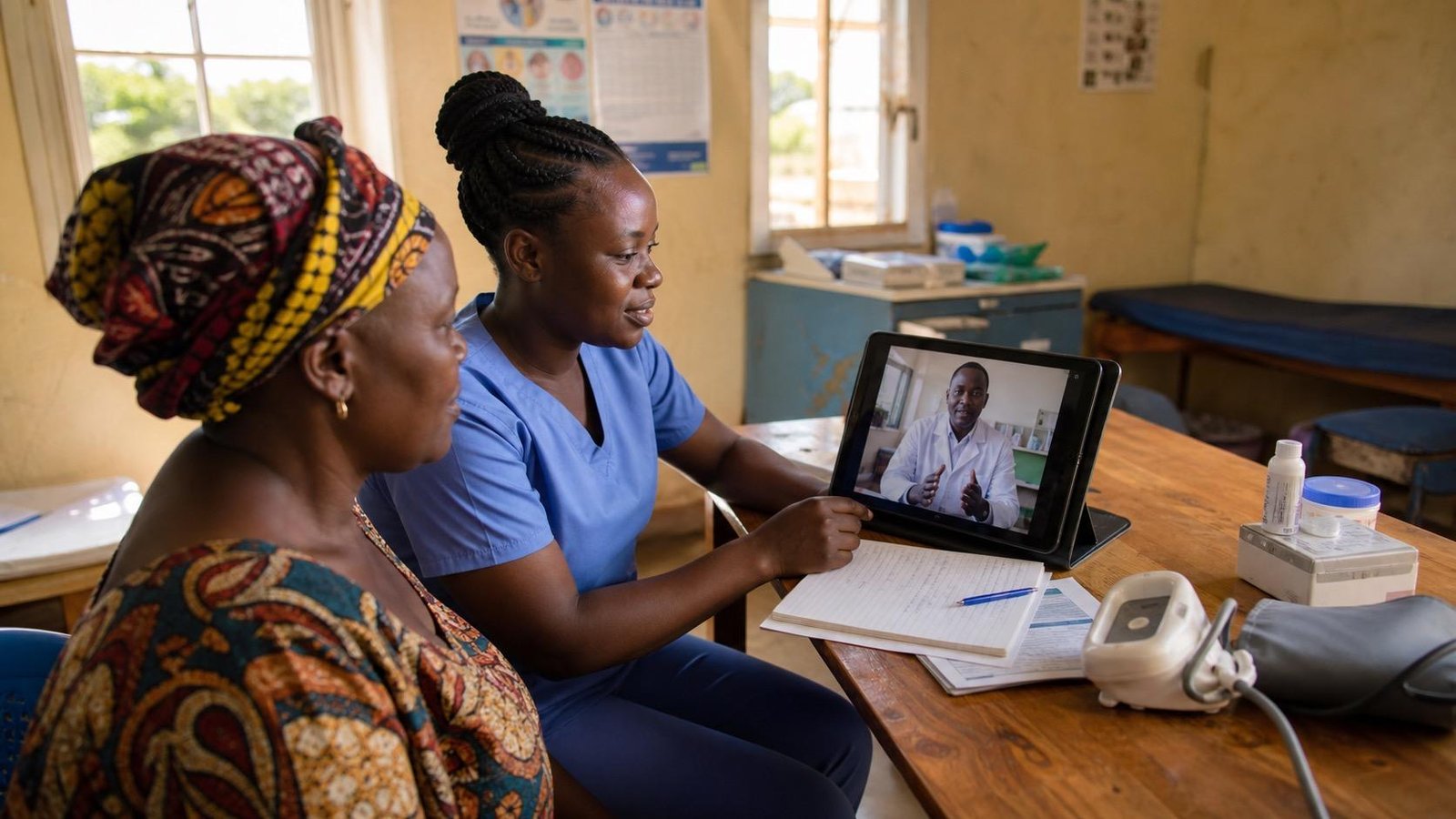
For millions of people living far from major hospitals, distance can still determine how quickly they receive medical care.
Covers the digital shifts, innovations, and startups shaping Kenya’s business future. Reports on AI, fintech, telecoms, e-commerce, and the broader digital economy.
For millions of people living far from major hospitals, distance can still determine how quickly they receive medical care.
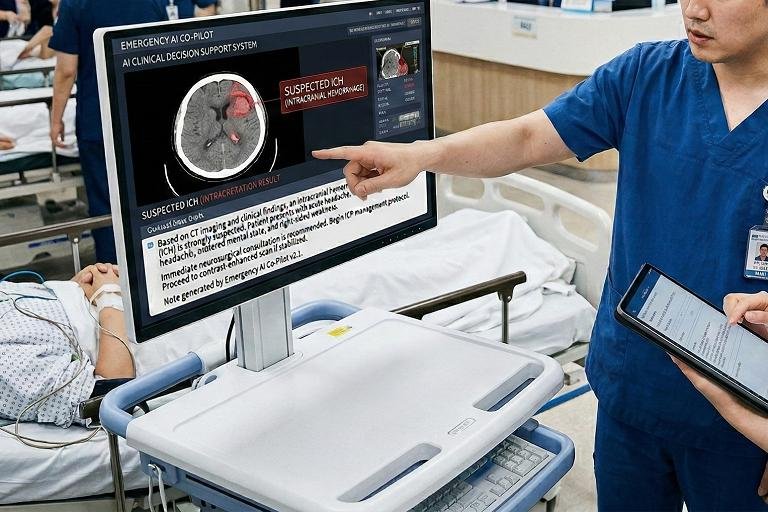
Healthcare has digitized enormous amounts of information, but more data has not necessarily produced better decisions.

Artificial intelligence is moving from advising clinicians to taking actions on their behalf, creating a new question for the healthcare industry: how much autonomy should a clinical AI agent have?

East Africa’s digital economy has become one of the region’s most powerful engines of commercial growth, but the infrastructure enabling that transformation is also creating a larger target for cybercriminals.

Hospitals can invest millions in sophisticated technology and still lose valuable time to problems that appear deceptively ordinary.

Artificial intelligence is giving African businesses a new source of productivity, but it is also creating a cybersecurity problem that conventional defenses were never designed to handle.

Kenya’s next tourism battle may be fought long before a traveller boards a plane.

Technology has radically changed the relationship between brands and consumers, making it easier than ever to discover products, compare prices, and complete transactions.

The next phase of artificial intelligence will not be defined by what a chatbot can tell an employee. It will be defined by what AI can do without being asked at every step.
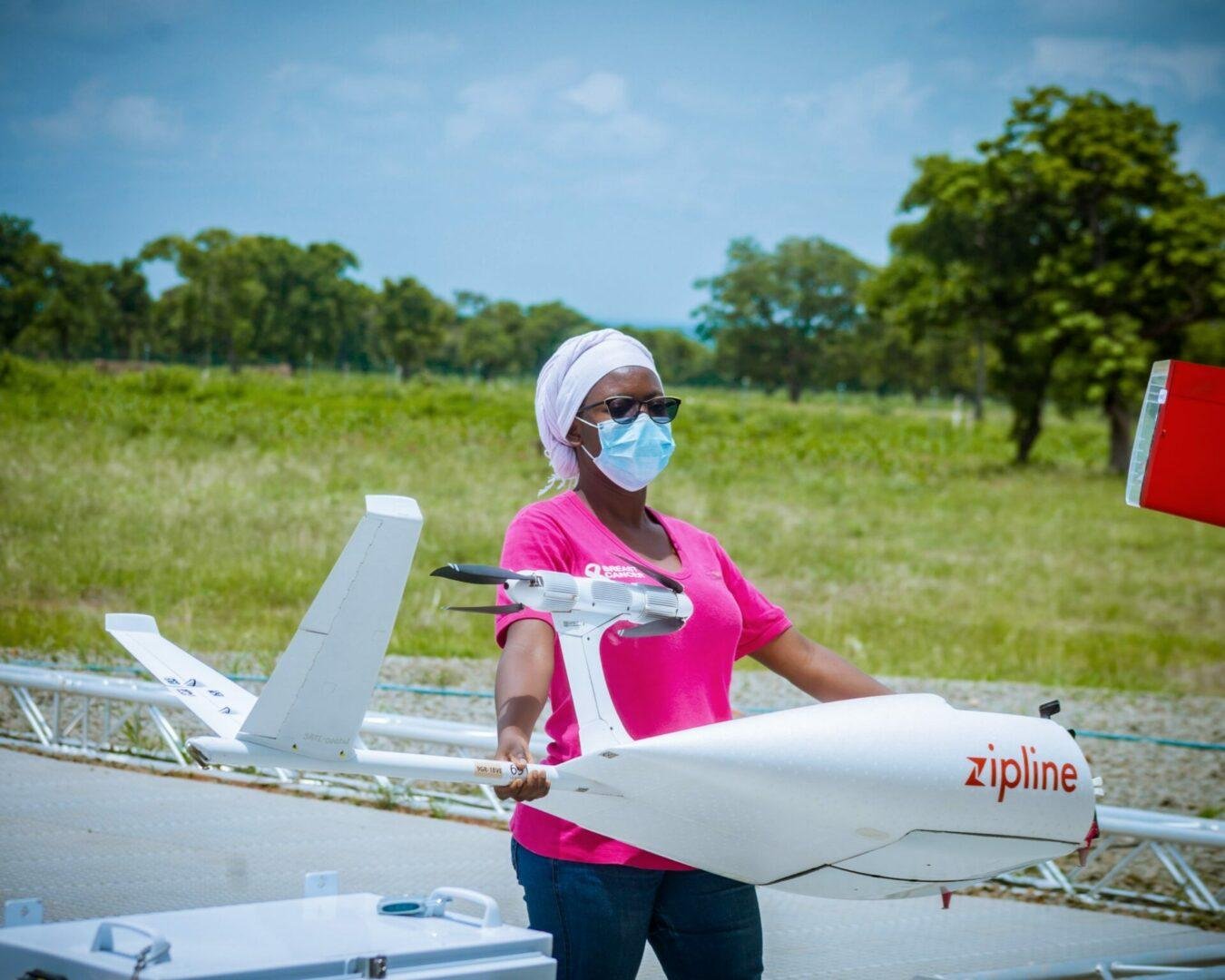
Kenya’s healthcare system is confronting a problem that money and medical expertise alone cannot solve: getting the right commodity to the right facility quickly enough.