Now Reading: AI must move beyond summaries to improve clinical decisions
-
01
AI must move beyond summaries to improve clinical decisions

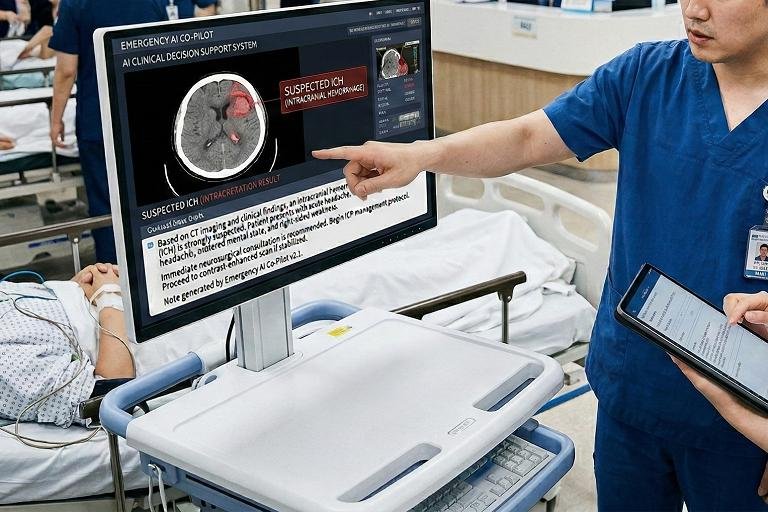

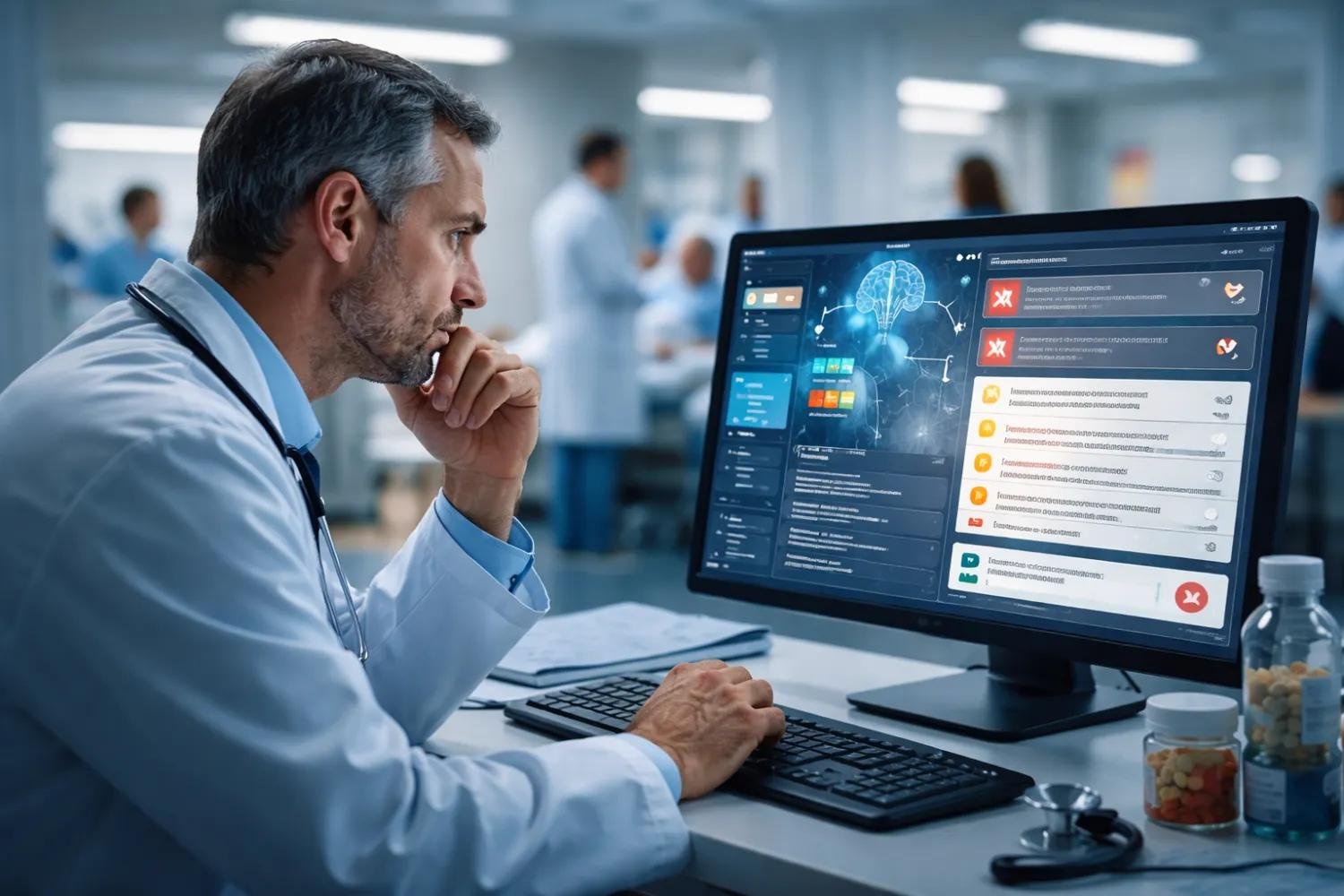
Healthcare has digitized enormous amounts of information, but more data has not necessarily produced better decisions. AI clinical decision support is emerging as a potential solution to one of medicine’s most persistent problems: helping clinicians turn fragmented patient records into useful insights at the moment they matter. Electronic health records (EHRs) have improved information storage and transfer, yet clinicians can still struggle to synthesize structured and unstructured data spread across lengthy records and different systems. The next opportunity for healthcare AI is therefore not simply to summarize what doctors already know, but to identify connections, patterns, and overlooked evidence that could improve clinical decisions.
AI clinical decision support must uncover what humans miss
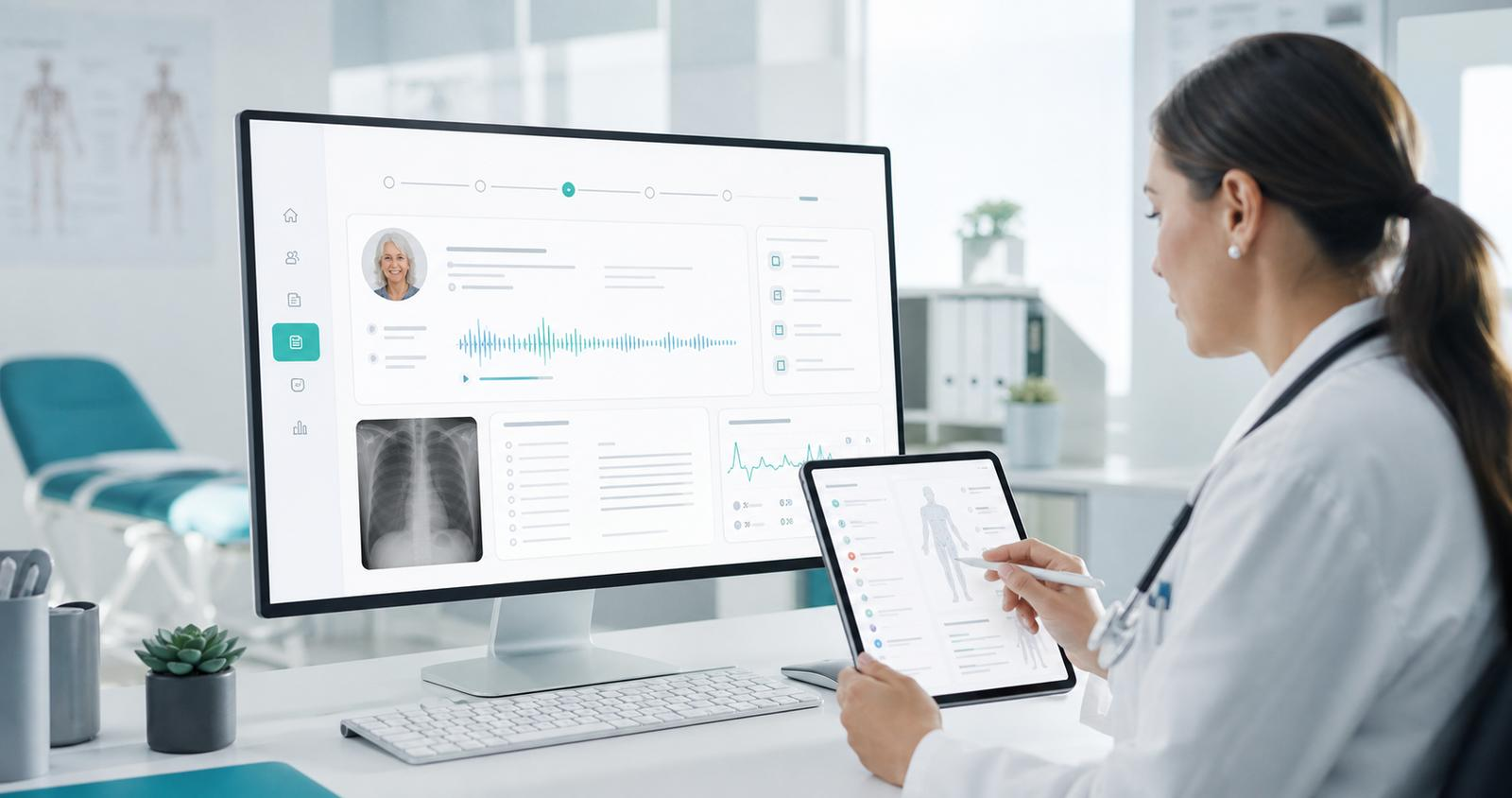
The commercial and clinical value of AI clinical decision support lies in moving healthcare technology from information storage towards intelligence. A summary can make a patient’s record easier to read, but the greater opportunity is for AI to connect information that may otherwise remain invisible to a busy clinician.
That distinction matters because important clues can sit deep inside electronic health records. Connected AI systems could potentially compare information across encounters, identify unusual patterns and flag relationships that deserve further investigation.
This illustrates a broader shift in healthcare technology. The value of AI may not come from spectacular, one-time breakthroughs, but from thousands of smaller improvements that help clinicians notice something earlier, investigate something faster, or avoid overlooking relevant information.
That makes implementation discipline essential. Rather than expecting AI to transform medicine overnight, healthcare organizations can begin with targeted problems where better information synthesis can produce measurable improvements.
The objective should be straightforward: help clinicians make better decisions without adding another layer of complexity to their work.

AI clinical decision support must earn trust through measurable outcomes
For AI clinical decision support to become commercially and clinically sustainable, however, accuracy alone will not be enough. Healthcare organizations must be able to determine when an AI system is reliable, when it may fail, and how clinicians should respond when its recommendations are wrong.
Trust is particularly important because clinicians remain responsible for patient care even when an AI system contributes to a decision. A recent study in JMIR Formative Research found that physicians’ diagnostic reasoning accuracy declined when they were given flawed AI advice, highlighting the danger of poorly calibrated trust.
This creates a significant market opportunity for health technology companies that can demonstrate not only sophisticated models but also transparent governance, reliable data connections, monitoring, and clear clinical workflows.
Also Read: Hospitals face a new question as AI starts taking action
The business case should also extend beyond productivity. Healthcare providers need to measure whether AI improves diagnostic accuracy, resource utilization, patient outcomes, and the amount of time clinicians can spend directly with patients. A 2026 review in the Journal of Medical Internet Research (JMIR) found measurable improvements in areas including diagnostic accuracy, risk stratification, and resource utilization across several medical specialties.
That changes the investment question. The winning healthcare AI systems will not necessarily be the ones with the most impressive demonstrations. They will be the ones that integrate quietly into clinical workflows and produce measurable improvements without undermining professional judgement.
Healthcare’s AI revolution, therefore, may be less about replacing doctors than giving them better visibility into the information already available.
The biggest breakthrough could be surprisingly simple:
Helping clinicians see what they could not previously see—and giving them more time to care.
Related Posts



Previous Post
Next Post