
Now Reading: Africa’s health sector is becoming a critical economic investment
-
01
Africa’s health sector is becoming a critical economic investment
Africa’s health sector is becoming a critical economic investment

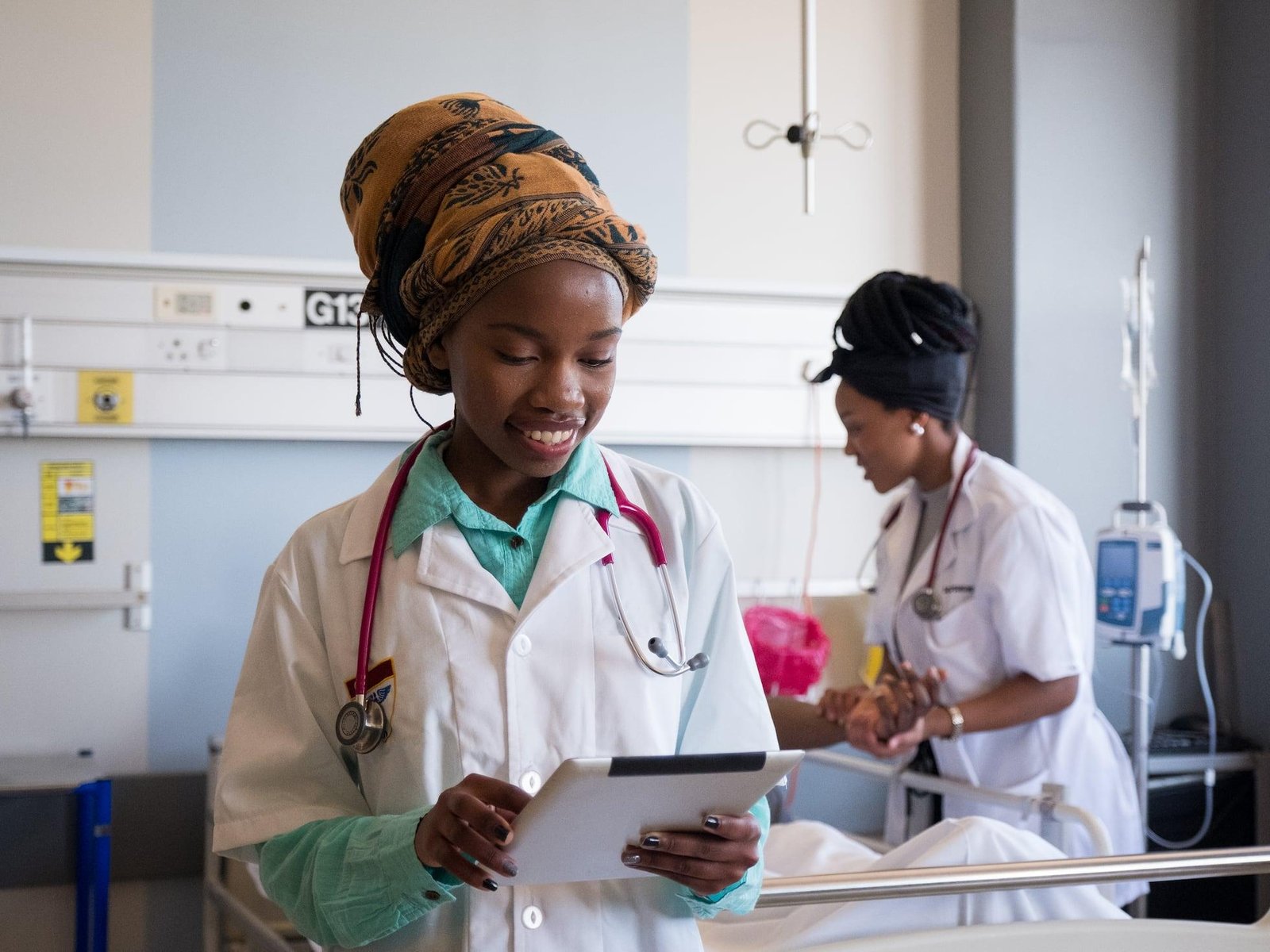

Africa’s economic rise will depend on more than roads, factories, technology, and financial systems. Health as an economic infrastructure is increasingly becoming a business and investment priority because economies cannot sustain productivity when workers are frequently ill, diseases are detected too late, and households are pushed into financial distress by preventable conditions. The argument is particularly relevant as African countries seek to build larger, more productive workforces, while expanding digital and technology-driven industries. The continent’s health challenge is therefore also an economic challenge: stronger healthcare systems can protect productivity, create new markets, and provide the foundation for sustainable growth.
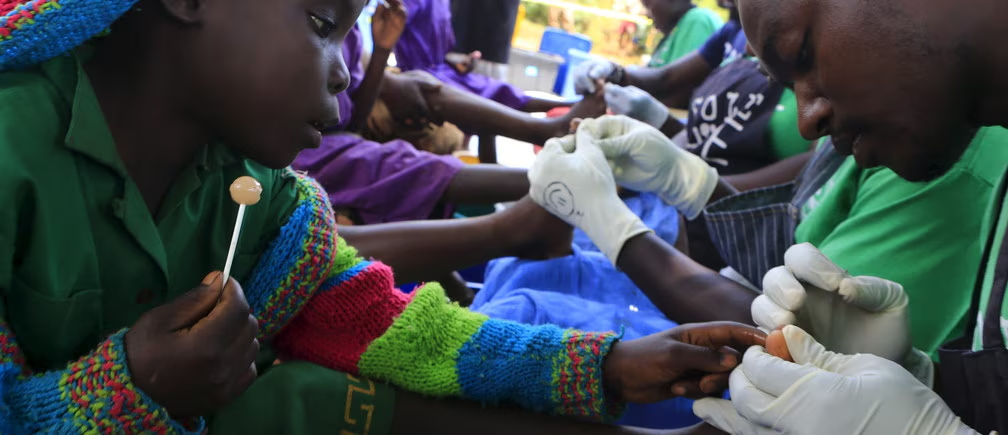
Health as economic infrastructure can unlock productivity and investment
The connection between health as an economic infrastructure and economic growth becomes clearer when the cost of poor health is considered. A worker who is repeatedly sick loses income and productivity. A business loses working hours and may face higher insurance or staffing costs. A government must devote more resources to treating conditions that could have been detected earlier.
This creates an economic argument for shifting healthcare investment towards prevention, early detection, and accessible primary care.
Across Africa, many entrepreneurs are increasingly building businesses and infrastructure around broken systems in agriculture, logistics, and technology. Healthcare presents a similar opportunity because gaps in access, information, and early diagnosis remain widespread.
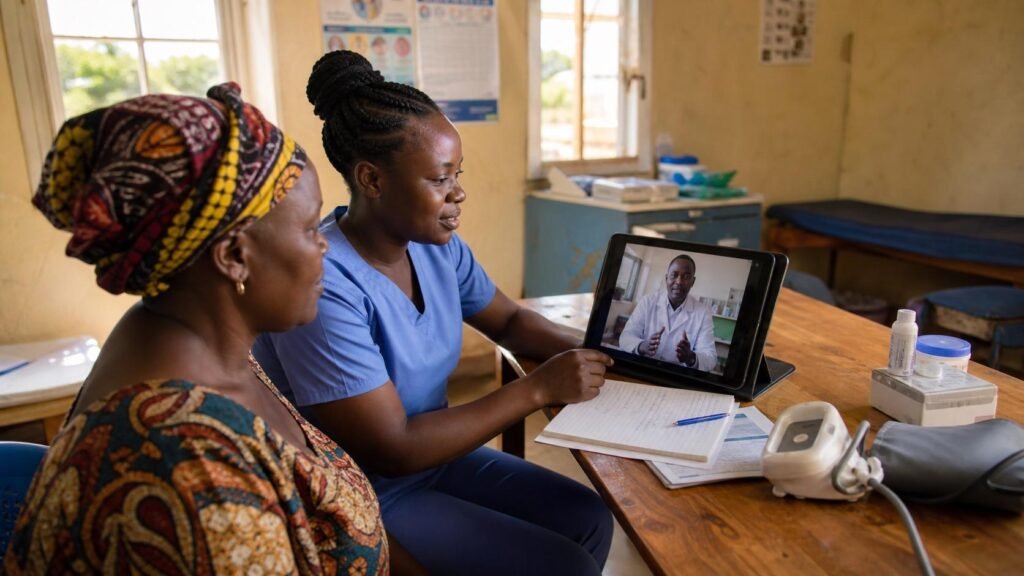
Digital technology could accelerate that transformation. Mobile-first healthcare services, artificial intelligence, remote consultations, and digital health education can extend basic services beyond conventional hospitals and into communities that are difficult or expensive to serve through traditional infrastructure.
For investors and businesses, this creates opportunities across health technology, diagnostics, medical devices, pharmaceuticals, insurance, logistics, and digital platforms.
The opportunity is particularly significant for young African populations. A healthier workforce is better positioned to participate in manufacturing, technology, agriculture, services, and entrepreneurship. Healthcare spending can therefore generate economic returns that extend far beyond hospitals.

Health as economic infrastructure creates a new technology opportunity
The most interesting opportunity may be where health as an economic infrastructure intersects with Africa’s digital economy.
AI-powered, multilingual health assistants delivered through WhatsApp are an example of how technology can provide health information continuously, reach underserved communities, and encourage earlier action. This underlines the potential for similar tools to various health conditions, including cervical cancer, cardiac health, and diabetes.
Such models illustrate why Africa does not necessarily need to replicate healthcare systems built elsewhere. Mobile connectivity provides an opportunity to develop services around technologies that people already use.
For businesses, however, scale will depend on more than technology. Healthcare platforms need reliable information, appropriate clinical safeguards, privacy protection, sustainable financing, and partnerships with health providers and governments.
That makes the sector an ecosystem opportunity rather than simply a software opportunity.
See Also: Broken healthcare systems are quietly draining time and money
Governments can strengthen primary healthcare and digital infrastructure. Investors can finance scalable solutions. Insurers can develop products that encourage prevention and early treatment. Technology companies can build platforms that connect patients with trusted information and services. Employers can also treat workforce health as an investment in productivity rather than simply a cost.
The economic payoff could be substantial.
Agriculture can generate income. Manufacturing can create jobs. Logistics can move goods. Technology can increase efficiency.
But none of those gains can be sustained by a workforce that cannot access affordable, timely, and effective healthcare.
That is why health as an economic infrastructure deserves to move higher on Africa’s economic agenda.
The continent’s healthcare challenge is enormous, but so is the market for solutions capable of addressing it.
The next phase of Africa’s economic transformation may therefore depend on recognizing a simple principle: healthy people are not merely beneficiaries of economic growth. They are one of its most important productive assets.
Related Posts


Previous Post
Next Post




Pingback: Hospitals face a new question as AI starts taking action
Pingback: Oil projects ignite Kenya’s next employment opportunity