Healthcare has digitized enormous amounts of information, but more data has not necessarily produced better decisions.
Dedicated to covering the development, application, and impact of artificial intelligence in Kenya’s economy. Tracks startups, enterprise adoption, and ethical debates.
Healthcare has digitized enormous amounts of information, but more data has not necessarily produced better decisions.

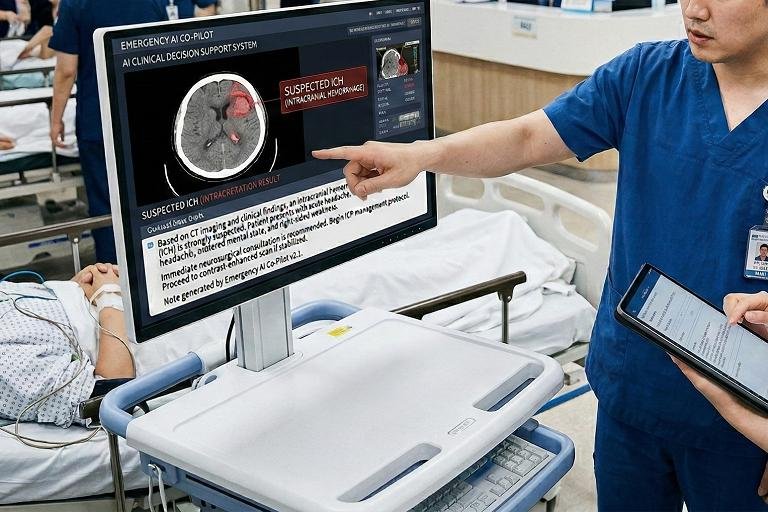
Artificial intelligence is moving from advising clinicians to taking actions on their behalf, creating a new question for the healthcare industry: how much autonomy should a clinical AI agent have?

East Africa’s digital economy has become one of the region’s most powerful engines of commercial growth, but the infrastructure enabling that transformation is also creating a larger target for cybercriminals.

Artificial intelligence is giving African businesses a new source of productivity, but it is also creating a cybersecurity problem that conventional defenses were never designed to handle.

Kenya’s next tourism battle may be fought long before a traveller boards a plane.

The next phase of artificial intelligence will not be defined by what a chatbot can tell an employee. It will be defined by what AI can do without being asked at every step.

Artificial intelligence has spent the past few years as one of the world's biggest technology and stock-market stories. Now it is becoming something else: a debt story.

The AI adoption gap is becoming one of the most defining dynamics in modern business, separating companies that are extracting real value from artificial intelligence from those that remain stuck in experimentation.

A defining challenge within the Africa's AI adoption surge is the reliance on models developed in entirely different economic, cultural, and regulatory contexts.

Addressing the AI context problem in business requires a fundamental shift in how organizations design, train, and deploy AI systems.