Now Reading: Two-Pot System: Pension Schemes Preparedness Amid Liquidity and Preservation Tensions
-
01
Two-Pot System: Pension Schemes Preparedness Amid Liquidity and Preservation Tensions
Two-Pot System: Pension Schemes Preparedness Amid Liquidity and Preservation Tensions




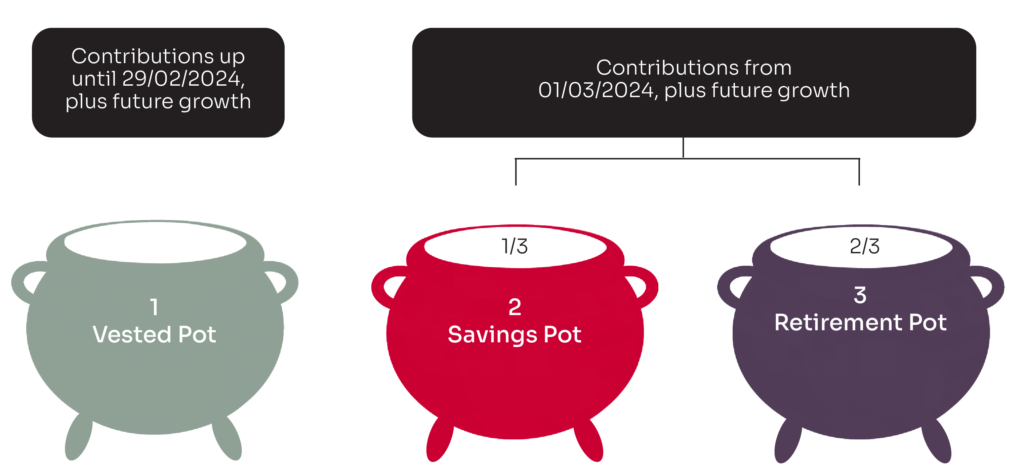
The proposed two-pot pension regime introduces a fundamental governance and operational shift for retirement benefits schemes. It is not merely a product redesign; it alters how trustees oversee liquidity, member behaviour, compliance, and long-term adequacy.
From a governance standpoint, preparedness hinges on whether schemes can transition from a low-frequency, long-horizon system to one that must manage continuous access without undermining preservation.
At board level, trustees will need to redefine their fiduciary lens. Historically, governance has centred on maximising retirement outcomes through disciplined accumulation and prudent investment. The two-pot structure introduces a competing objective: facilitating controlled liquidity.
This creates a tension between short-term member needs and long-term retirement adequacy. Trustees must therefore formalise policies on withdrawal governance—defining eligibility, frequency, and communication standards—while ensuring these do not erode the scheme’s core purpmoni
Importantly, governance frameworks must evolve from static oversight to dynamic monitoring, with regular reporting on withdrawal patterns, liquidity stress, and member outcomes.

Operational readiness is likely to be the most immediate pressure point. Pension administration has traditionally been event-driven, with transactions clustered around retirement, withdrawal, or death.
The two-pot regime transforms this into a high-frequency transactional environment. Schemes must assess whether their administrators can handle increased volumes of withdrawal requests, real-time processing expectations, and enhanced member queries. System capability is critical: accurate segregation of pots, tax tracking, and audit trails must be embedded at a granular level. Any weakness in data integrity or system integration will expose schemes to compliance and reputational risk.
Liquidity management becomes a central operational concern. Trustees must ensure that investment strategies can accommodate more frequent outflows without forcing distressed asset sales. This requires closer alignment between the investment policy and cashflow realities, including maintaining adequate liquid reserves and stress-testing withdrawal scenarirem
Governance committees will need to interrogate whether current asset allocations remain appropriate under a regime where cash demands are less predictable.
Another governance dimension is cost control and transparency. Increased transaction volumes, system upgrades, and compliance requirements will elevate administrative costs. Trustees must scrutinise service provider pricing models, ensuring that cost increases are justified and equitably allocated. At the same time, clear disclosure to members becomes essential, as higher costs and frequent withdrawals can materially affect retirement outcomes.
Member communication will no longer be a peripheral function; it becomes a governance priority. The risk of behavioural leakage—where members routinely access savings for non-critical needs—can significantly weaken retirement adequacy. Schemes must implement robust education strategies that explain the long-term consequences of withdrawals, without restricting access rights. This requires consistent messaging, supported by data-driven insights into member behaviour.
Finally, regulatory compliance will intensify. The two-pot system introduces more frequent tax events, reporting obligations, and audit requirements. Trustees must ensure that internal controls, risk management frameworks, and reporting lines are sufficiently robust to handle this complexity.
In summary, preparedness for the two-pot regime is less about compliance with new rules and more about institutional adaptability. Schemes that strengthen governance oversight, invest in operational capability, and actively manage member behaviour will remain effective. Those that treat the reform as a technical adjustment risk gradual erosion of both fund value and member outcomes.
Related Posts



Previous Post
Next Post