
For millions of people living far from major hospitals, distance can still determine how quickly they receive medical care.
Comprehensive coverage of specific business sectors that power the Kenyan economy. Provides news, trends, and analysis from real estate and tourism to agriculture and aviation.
For millions of people living far from major hospitals, distance can still determine how quickly they receive medical care.

Kenya’s petroleum sector is entering a decisive phase, and the next few months could reshape the country’s energy employment market.

Artificial intelligence is moving from advising clinicians to taking actions on their behalf, creating a new question for the healthcare industry: how much autonomy should a clinical AI agent have?

Africa’s economic rise will depend on more than roads, factories, technology, and financial systems.

Africa’s aviation industry is entering a new growth phase, creating opportunities across airports, cargo, maintenance, training, technology, and regional connectivity.

Hospitals can invest millions in sophisticated technology and still lose valuable time to problems that appear deceptively ordinary.

Kenya’s next tourism battle may be fought long before a traveller boards a plane.
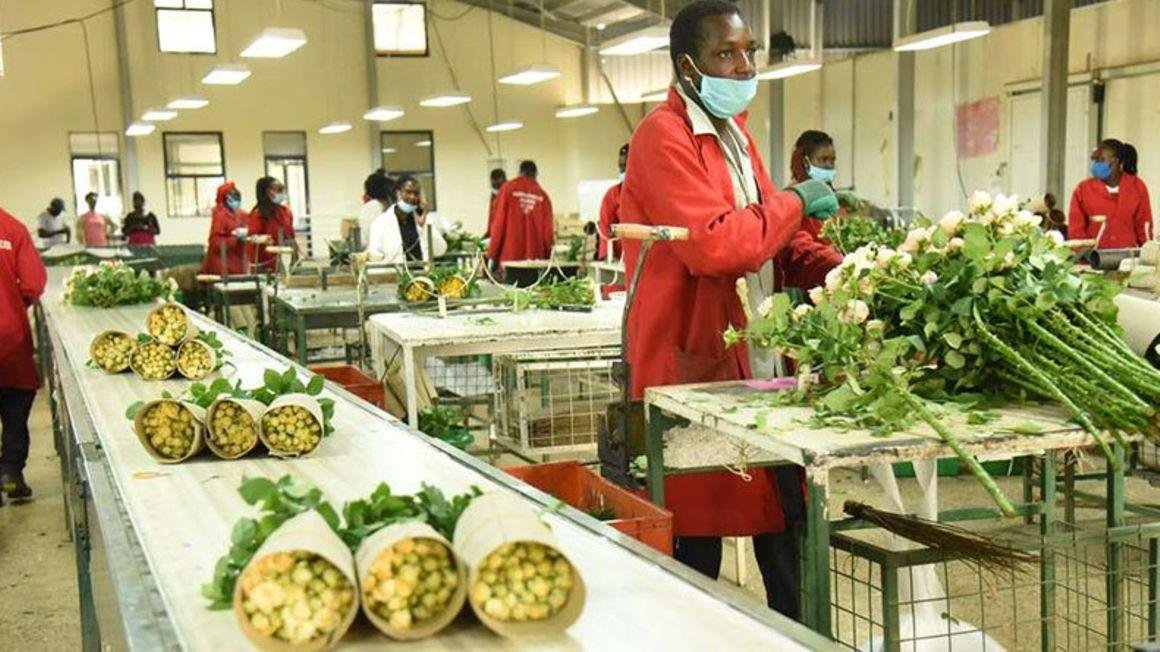
Kenya is looking to turn Germany into a bigger market for its exporters, but the strategy is shifting from simply shipping more products to capturing more value from every shipment.

Kenya’s aviation market is becoming a more important battleground for global airlines, and Emirates is signaling that it intends to compete for more of the region’s premium and connecting traffic.

Technology has radically changed the relationship between brands and consumers, making it easier than ever to discover products, compare prices, and complete transactions.