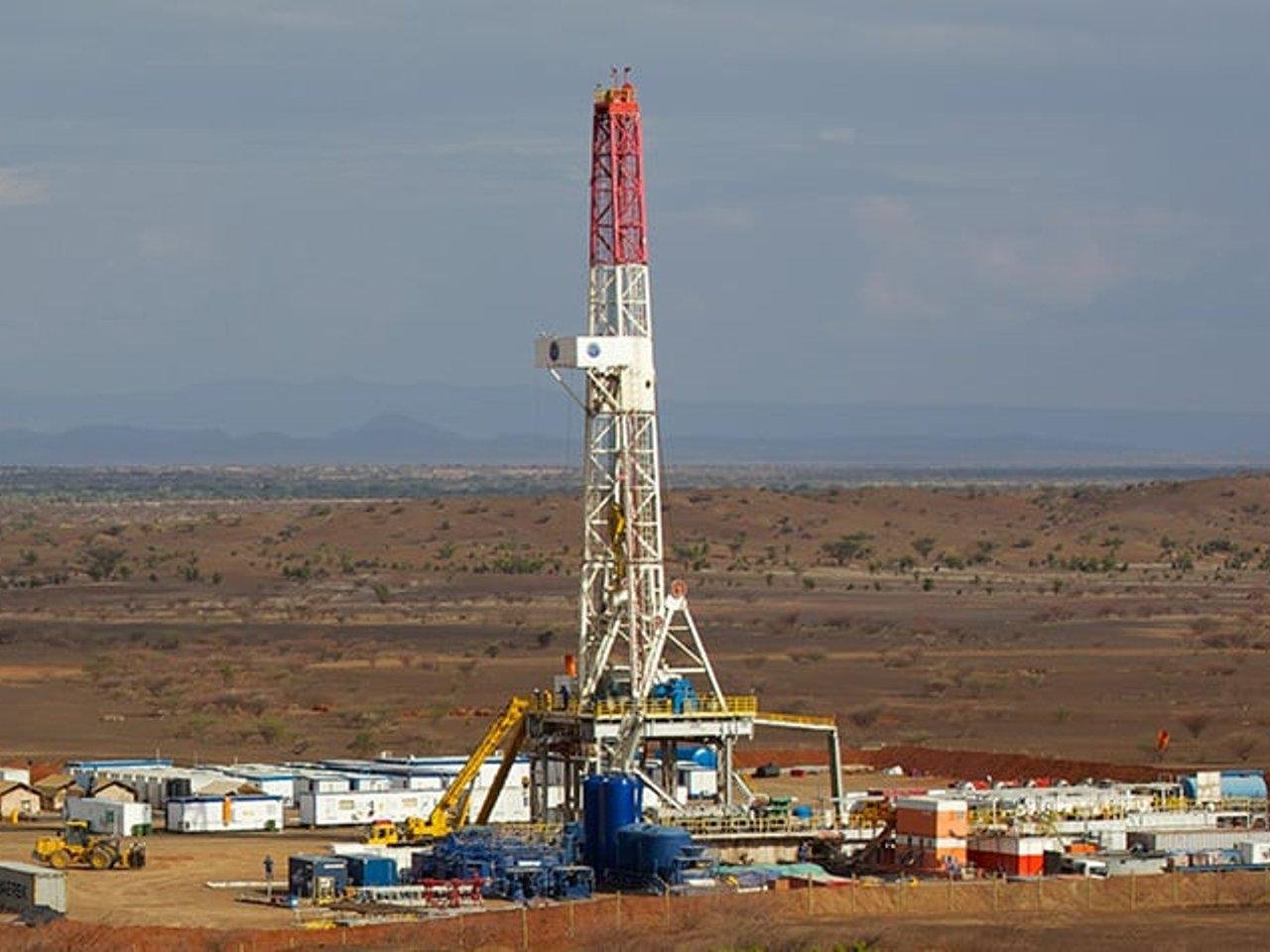
Kenya’s petroleum sector is entering a decisive phase, and the next few months could reshape the country’s energy employment market.
Reports on exploration, production, and the business dynamics within Kenya’s oil, gas, and renewable energy sectors. Tracks key projects and regulatory changes.
Kenya’s petroleum sector is entering a decisive phase, and the next few months could reshape the country’s energy employment market.

The proposed Dangote Lamu refinery is moving closer to construction, but a project designed to transform East Africa’s fuel market is confronting questions that could determine whether its ambitions match its scale.

Kenya’s ambition to turn its rare-earth wealth into an industrial advantage has gained fresh momentum after the United States offered to support local processing of minerals at Mrima Hill in Kwale.
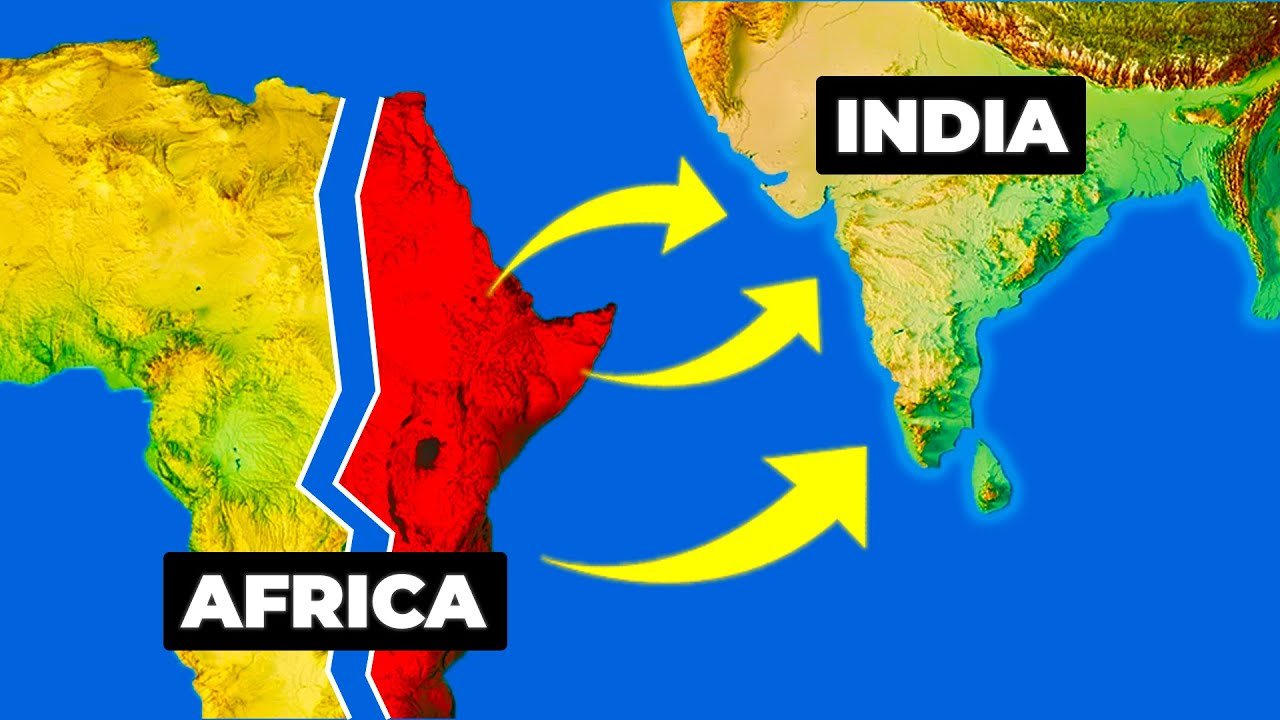
In recent weeks, New Delhi has delivered thousands of tonnes of rice to countries facing food crises, including 1,000 tonnes to Burkina Faso, 1,000 tonnes to drought-hit Malawi, and 500 tonnes alongside relief supplies to flood-affected Mozambique.
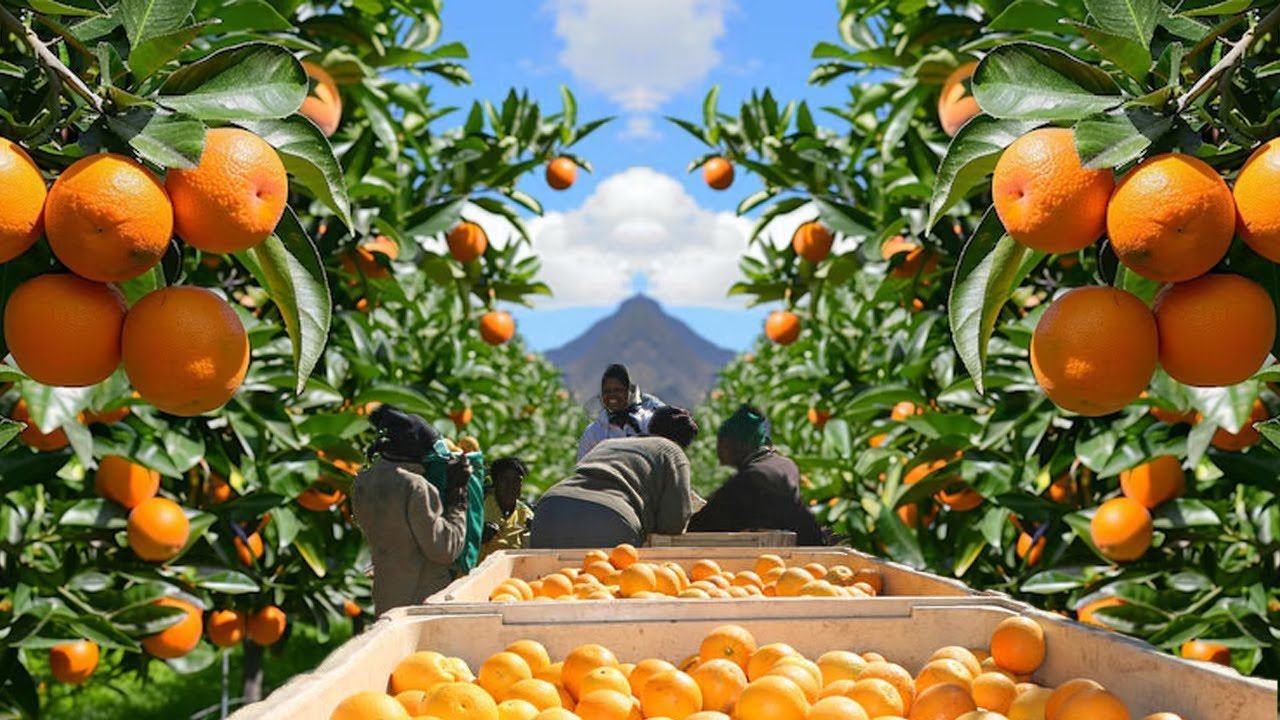
The Citrus Growers’ Association of Southern Africa said it has recorded isolated cases of diesel shortages at some service stations as the sector prepares for peak export activity beginning in April.

The deal, announced at the Egypt Energy Show (EGYPES 2026) in Cairo, will support the development of Cyprus’s offshore gas fields and open the door for exports to Egypt for processing and onward shipment to international markets, particularly Europe.
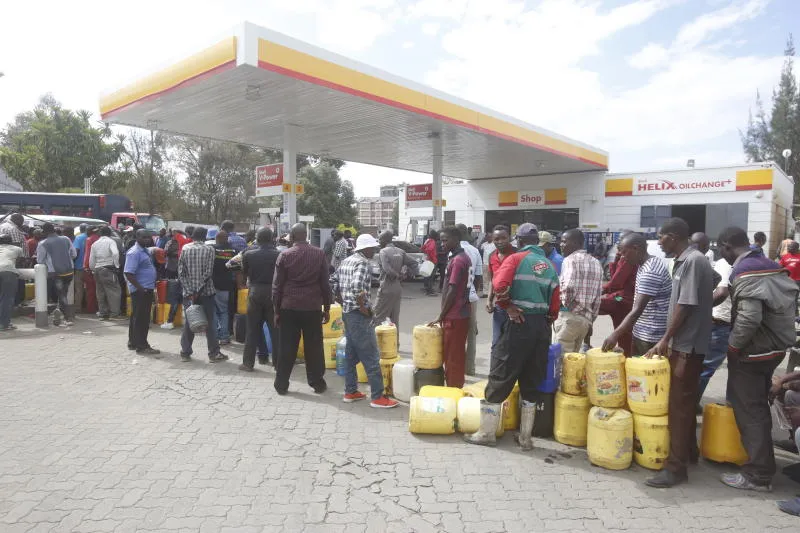
The conflict has driven a sharp rise in global fuel prices and disrupted key shipping routes, particularly through the Strait of Hormuz, exposing Africa’s heavy reliance on imported energy and its vulnerability to external shocks.
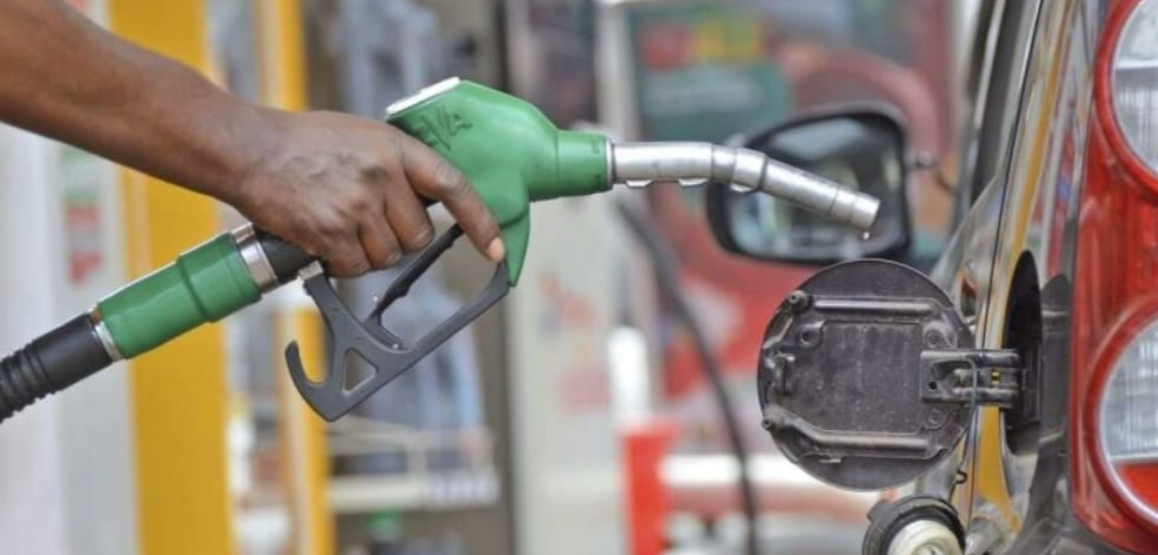
Energy Cabinet Secretary Opiyo Wandayi cautioned that firms found withholding fuel stocks in anticipation of price increases risk losing their licences, describing the practice as “commercially opportunistic” and contrary to the public interest.
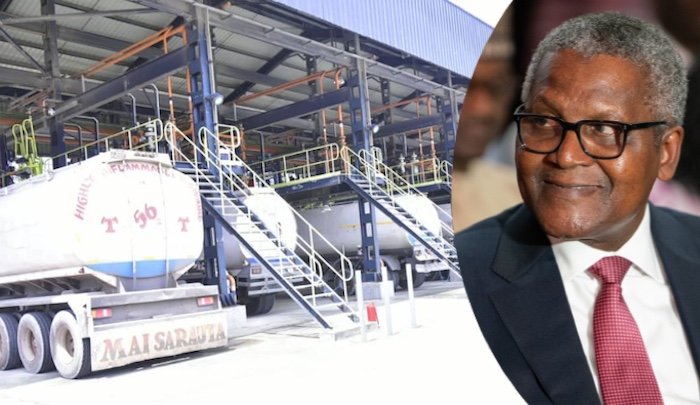
he Lagos-based refinery, owned by Africa’s richest man, Aliko Dangote, has begun exporting significant volumes of refined petroleum products, including gasoline, diesel, and jet fuel, to several African countries.
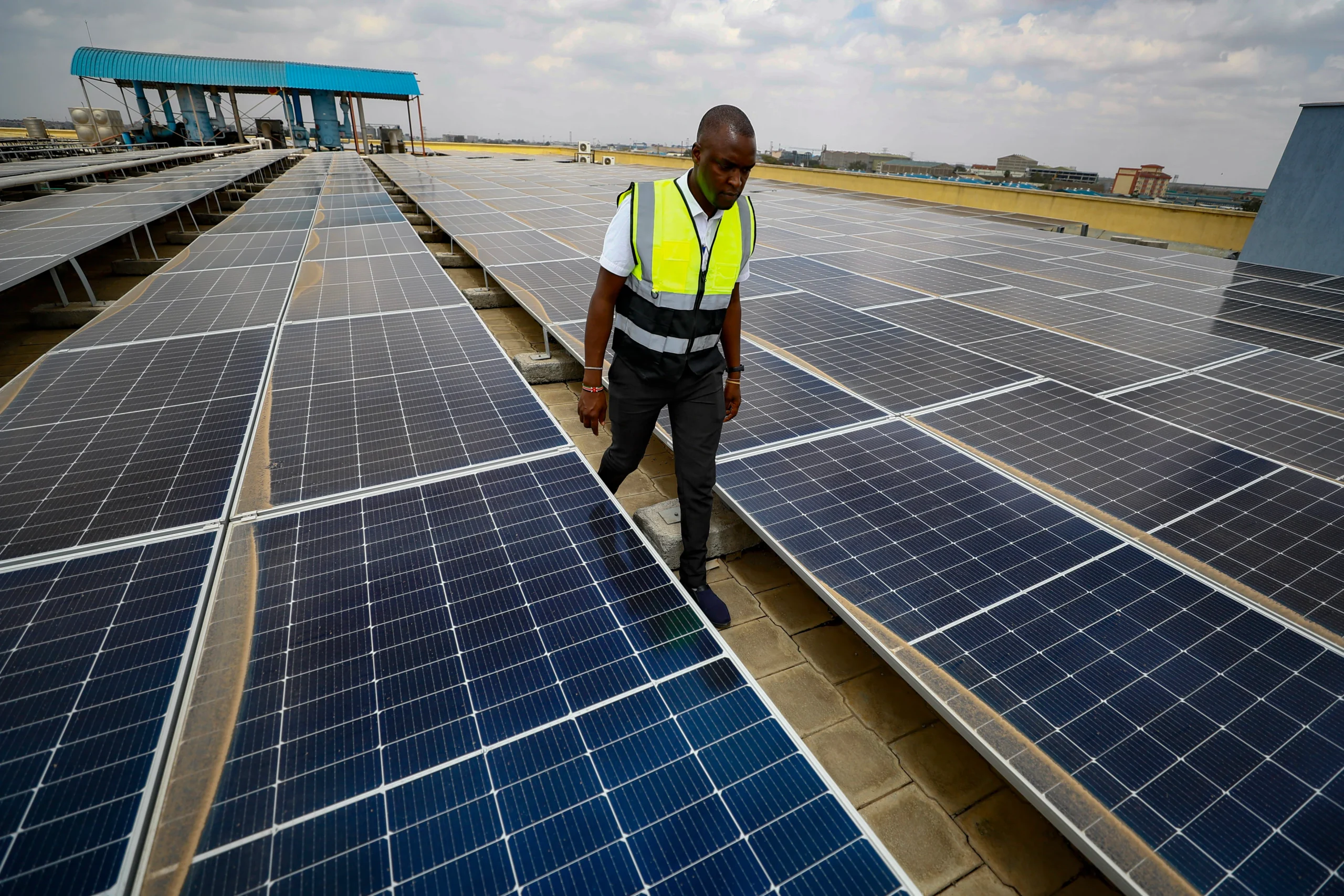
The policy shift, which includes ending value-added tax (VAT) rebates on solar panel exports and gradually phasing out incentives for battery production, is expected to increase the cost of solar equipment across the continent, where most countries rely heavily on Chinese imports.