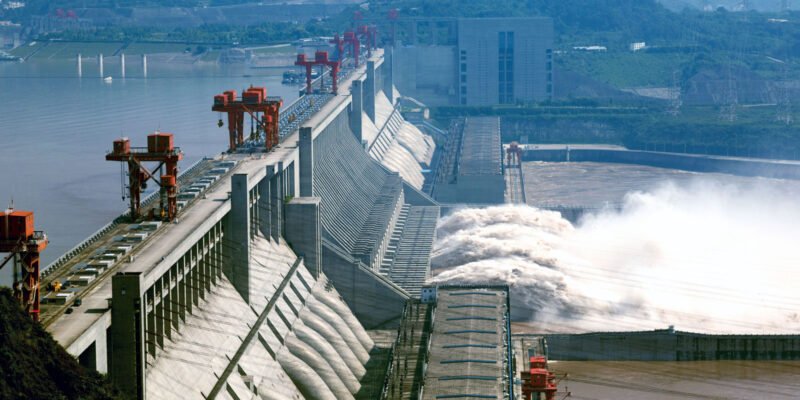
The two countries already have a political agreement covering 2,500 megawatts of power supply. However, ongoing negotiations are expected to consider doubling that figure to 5,000 megawatts, reflecting South Africa’s growing energy demand.
Reports on exploration, production, and the business dynamics within Kenya’s oil, gas, and renewable energy sectors. Tracks key projects and regulatory changes.
The two countries already have a political agreement covering 2,500 megawatts of power supply. However, ongoing negotiations are expected to consider doubling that figure to 5,000 megawatts, reflecting South Africa’s growing energy demand.
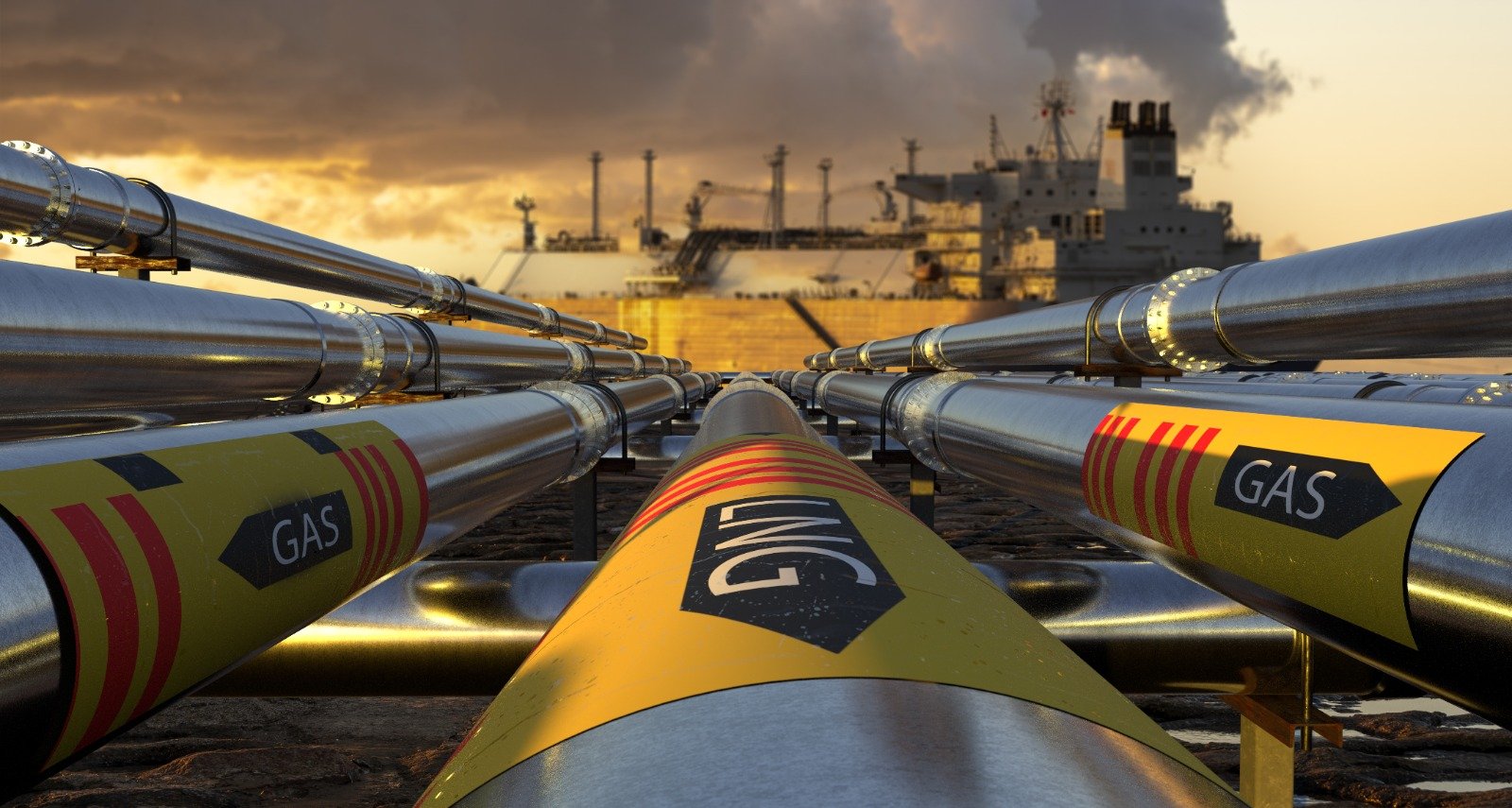
Africa’s geographical proximity to Europe is a major advantage. Shorter shipping routes reduce delivery times, freight costs and exposure to geopolitical disruptions.
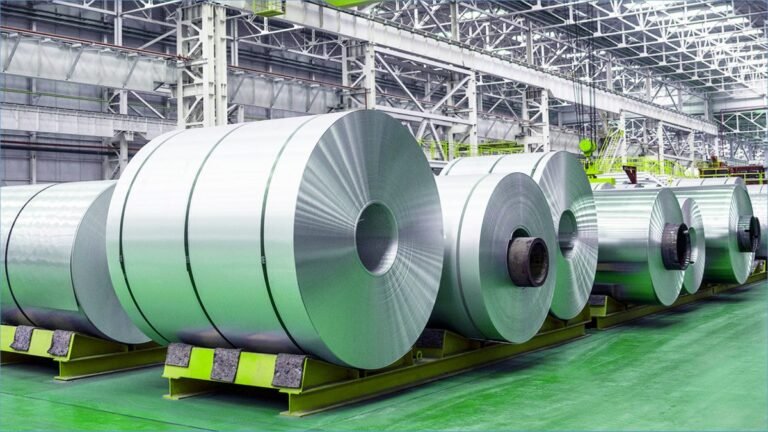
Under the terms of the deal, Synergetic Development Group will develop an integrated logistics centre for steel products, along with a steel fabrication plant, within the park. The facility will operate using 18 megawatts of geothermal power supplied directly from Olkaria's geothermal fields.

Nigeria has suspended the issuance of petrol import licences for a second consecutive month, signalling a fundamental shift in the country's fuel supply chain as regulators enforce provisions of the Petroleum Industry Act that prioritise local production over foreign imports.

The KPC Proceeds will be channeled into Kenya’s newly established National Infrastructure Fund (NIF), a financing vehicle designed to support large-scale projects such as roads, airports, dams, and energy infrastructure.
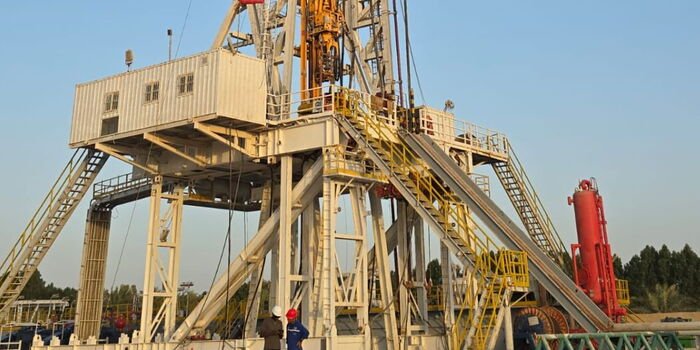
Gulf Energy has leased a $15 million (KSh 1.94 billion) drilling rig from UAE's Great Wall Drilling Company to start oil production in Kenya's South Lokichar Basin this year.
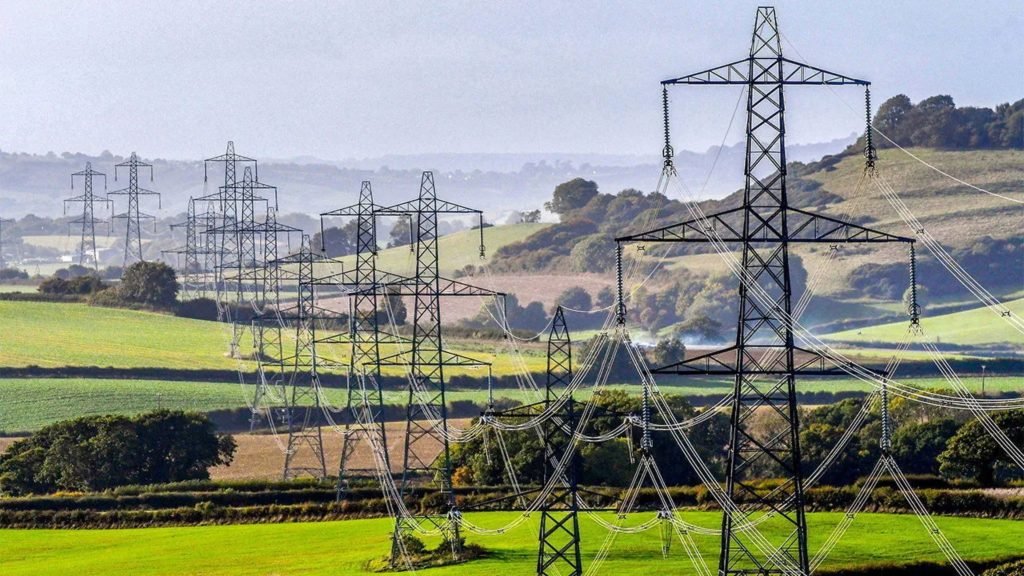
Tanzania targets 75% countrywide electricity connectivity with 8,000MW by 2030, blending solar mini-grids, steady prices, and regional integration to power homes, factories, and farms.
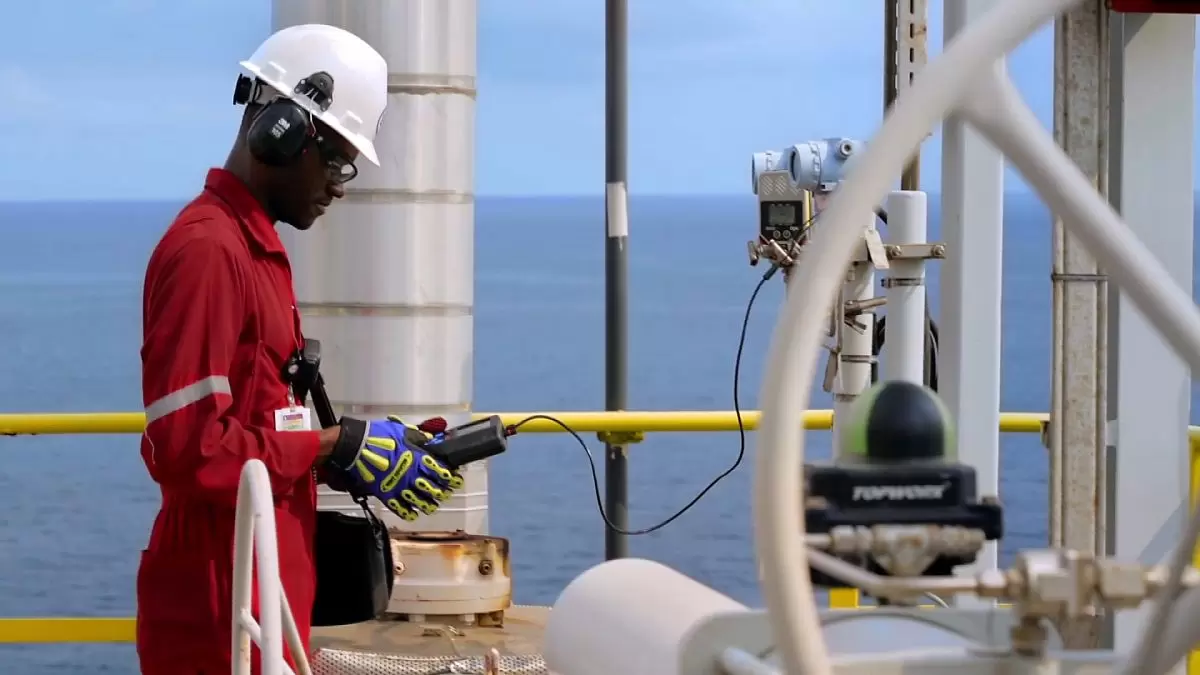
Africa intensifies foreign investment into its vast oil and natural gas reserves, aims for $41 billion by 2026

As Kenya grapples with the escalating impacts of climate change, the push for renewable energy solutions has gained significant momentum. With a diverse portfolio that includes geothermal, solar, and wind