Now Reading: Kenya’s housing crisis is forcing families to sacrifice essentials
-
01
Kenya’s housing crisis is forcing families to sacrifice essentials

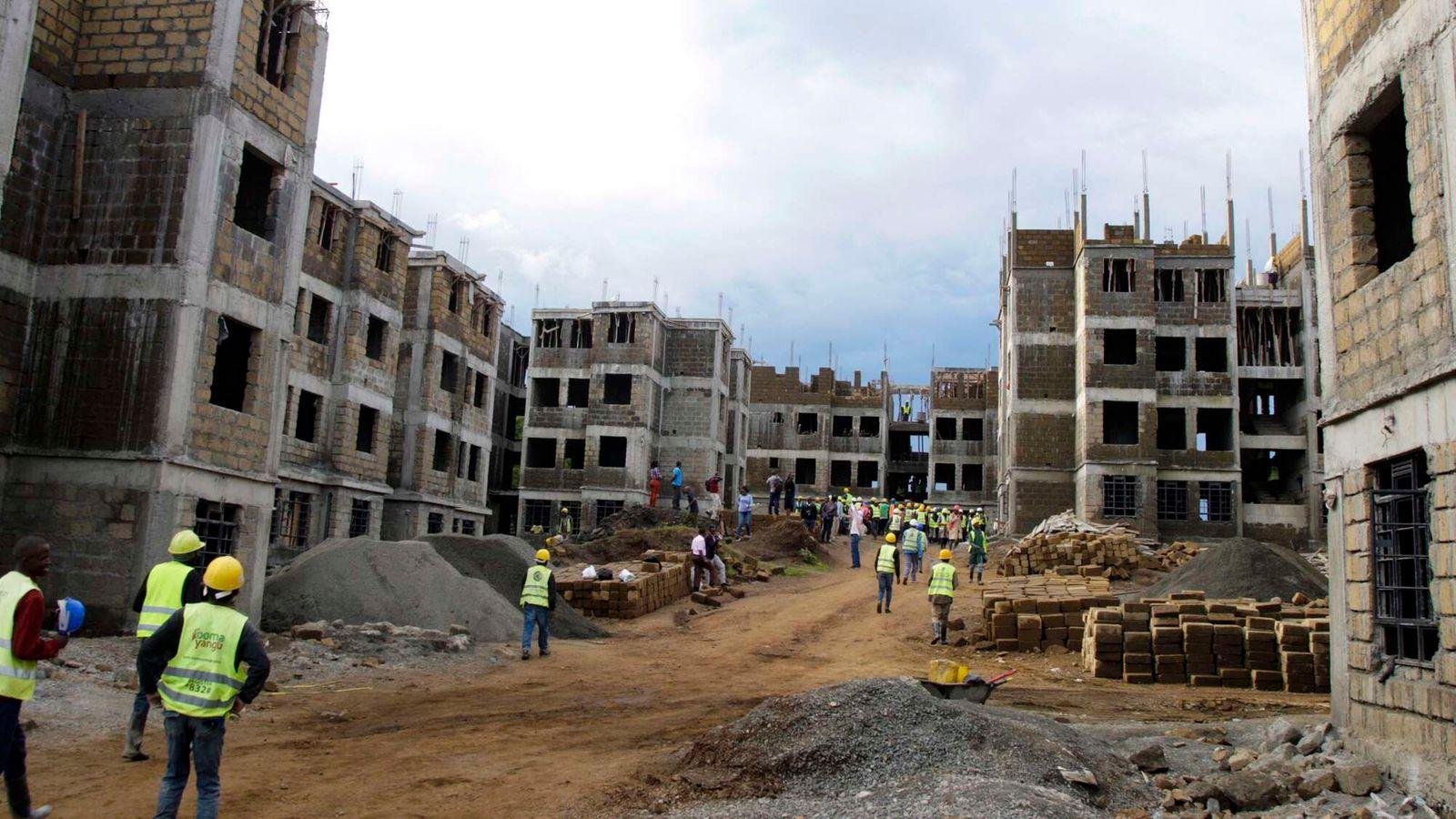

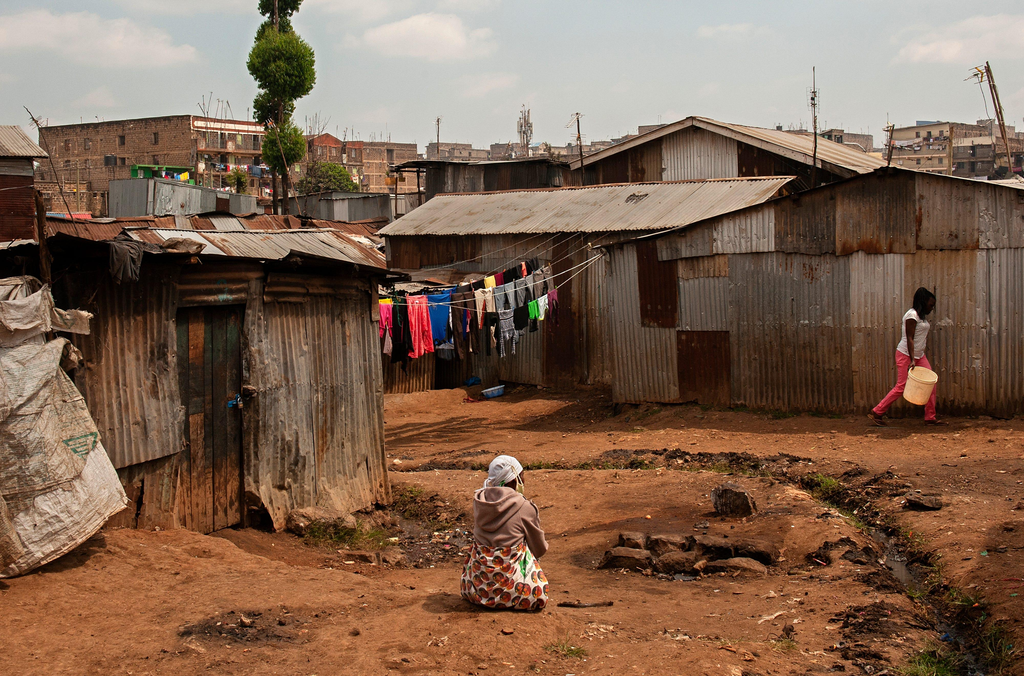
For millions of Kenyan households, paying rent is no longer simply a monthly expense; it is becoming a choice between shelter and other necessities. Housing affordability in Kenya is under renewed scrutiny after a global study found that rising housing costs are forcing families to reduce spending on food, healthcare, and other essential needs. About 4.6 million Kenyan households live in rented homes, meaning pressure on the rental market reaches deep into household finances and consumer spending. The problem also threatens to weaken long-term economic security as families postpone homeownership, deplete savings, and limit spending on health and education.

Housing affordability in Kenya is squeezing household budgets
The latest findings from Habitat for Humanity’s Home at What Cost? report show that the housing problem extends well beyond the amount paid to landlords or lenders. Globally, 75% of respondents said they had cut at least one expense during the previous year to afford housing, while 33% spent less on food, and 32% used savings or emergency funds. Another 31% took on additional work to meet housing costs.
Kenya’s findings point to similar pressures. 44% of Kenyans believe the country’s housing system is broken or does not work, while 41% identify housing as a major source of daily stress. Among people who do not own homes, 81% say rising housing costs make homeownership difficult, while the most commonly cited barriers include expensive homes, inadequate income, and insufficient savings for deposits.
The consequences extend into the wider economy. When households divert more income towards housing, less money is available for supermarkets, small businesses, healthcare providers, schools, and other consumer services. For low-income families, the trade-off can be particularly severe because there is little room to absorb an unexpected expense.
Housing affordability in Kenya is becoming an economic growth issue
The housing challenge therefore deserves to be viewed not only as a social problem but as an economic one. Excessive housing costs can affect labor mobility, productivity, household savings, and the ability of families to invest in education or small businesses.
The global research found that housing pressure can also affect healthcare decisions, with 13% of respondents worldwide saying they had delayed or avoided medical care because of housing costs. Housing pressure was also identified as a major source of stress by 35% globally.
Also Read: Technology could finally narrow Africa’s rural healthcare gap
For Kenya, expanding the supply of affordable and decent housing could consequently unlock benefits beyond homeownership. It could support construction activity, mortgage and housing finance, building materials, property services, and urban infrastructure while giving households greater room to spend and save.
The policy challenge is making affordability real rather than simply increasing the number of housing units. Better access to financing, lower construction costs, secure rental arrangements, and homes located near employment opportunities will determine whether housing becomes a foundation for economic mobility—or another financial burden.
Related Posts



Previous Post
Next Post