
Now Reading: Kenya’s forgotten fruits could become a multibillion-shilling business
-
01
Kenya’s forgotten fruits could become a multibillion-shilling business
Kenya’s forgotten fruits could become a multibillion-shilling business

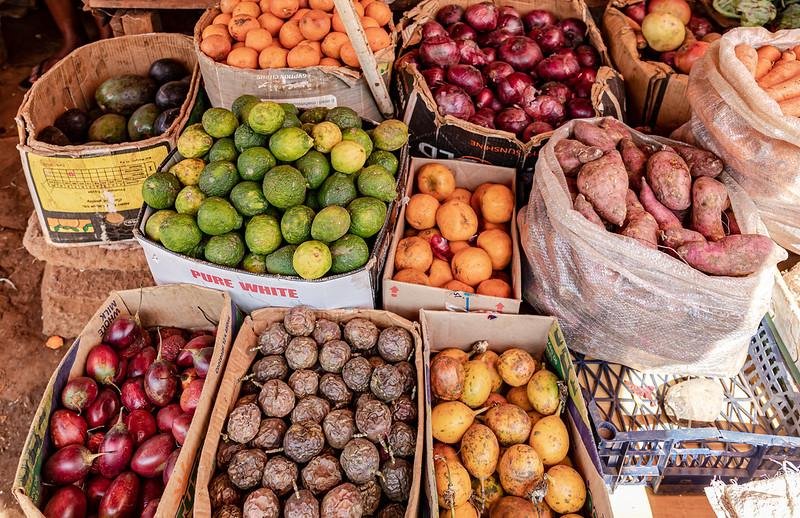

Some of Kenya’s most promising agricultural business opportunities may be growing in fruits that rarely appear on supermarket shelves. Across the country, underutilized indigenous fruits offer potential for new food products, rural enterprises, and more resilient farming incomes, yet limited processing capacity and weak market access continue to hold back their commercialization. Kenya produced approximately 4.24 million tonnes of fruit valued at Sh111.7 billion in 2023, according to the Agriculture and Food Authority’s 2024 statistical yearbook. The challenge now is turning more of that agricultural diversity into profitable businesses, stronger supply chains, and products that can compete in domestic and international markets.
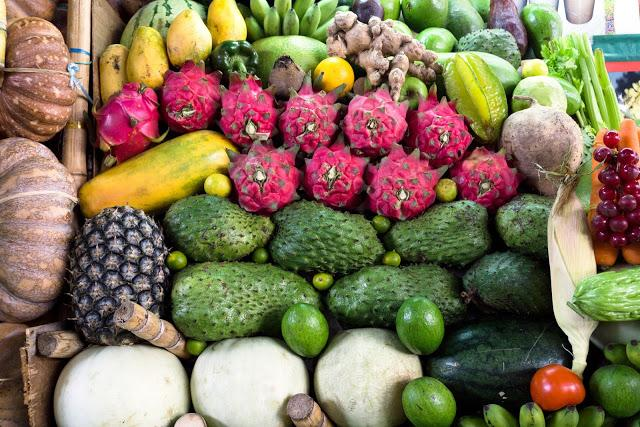
Indigenous fruits in Kenya offer farmers a new value-addition opportunity
Kenya and the wider African continent have hundreds of indigenous fruit species with nutritional and commercial potential. Many remain underdeveloped as businesses because consumers are unfamiliar with them, processing facilities are limited, and farmers lack reliable routes to market.
The emerging opportunity is to move beyond selling fresh fruit. Guavas, tamarind, cactus fruit, soursop, and dragon fruit can support businesses producing juices, jams, dried snacks, natural food colorants, and other processed products. With appropriate research and food-safety controls, some fruit varieties and by-products may also serve specialist food and cosmetic markets.
Dragon fruit illustrates how innovation can create additional revenue streams. Kenyan growers are experimenting with products including yoghurt, cakes, juice, jam, and natural colorants. Processing can extend shelf life, diversify customer demand, and help farmers reduce dependence on fresh-fruit sales alone. Research partnerships can also improve varieties and production techniques suited to local growing conditions.
For small and medium-sized enterprises, this opens opportunities in processing equipment, packaging, cold storage, distribution, and retail. Farmers could gain more predictable demand if processors establish supply agreements, while aggregation centers could help smaller producers meet the volume and quality requirements of larger buyers.
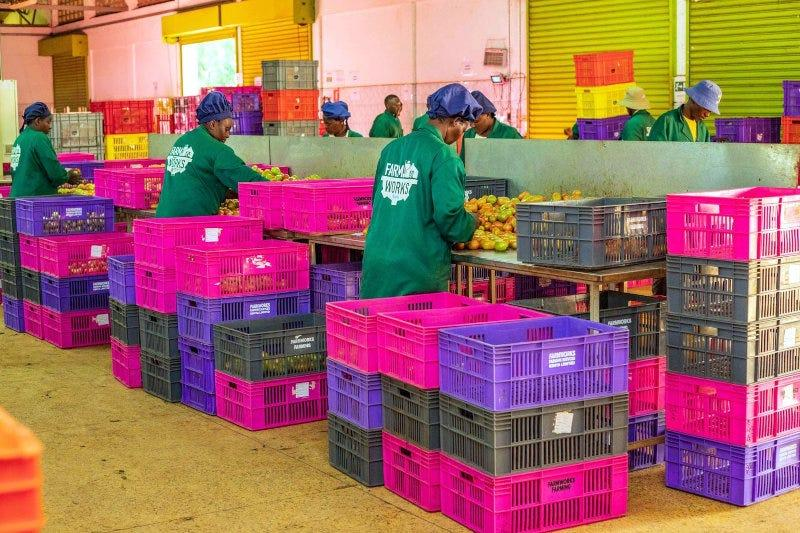
Indigenous fruits in Kenya could strengthen rural industries and exports
The export opportunity is significant, but Africa still captures a relatively small share of the value generated by processing its own produce. Data highlighted at Africa Fruit Connect 2026 showed that around 85% of Africa’s fruit exports by value were fresh produce, while processed products accounted for about 9%. Intra-African fruit trade reached $1.18 billion in 2023, up from $880 million in 2014, but represented only 8.7% of the continent’s fruit exports that year.
These figures point to an opportunity to develop more regional processing capacity and trade networks. Instead of exporting mainly raw produce, businesses could retain more value through drying, juicing, ingredient production, and other forms of processing. The African Continental Free Trade Area could support this expansion by improving access to markets across borders, although businesses will still need to meet food-safety, labelling, quality, and logistics requirements.
Also Read: Africa’s flight delays expose a costly gap in aviation infrastructure
Unlocking the sector will require investment in research, clean planting materials, farmer training, reliable buyers, and appropriate processing technologies. Public institutions, universities, private companies, and financial partners can help bridge the gap between promising crops and commercially viable products.
The economic benefits could extend beyond individual farms. Processing enterprises can create rural employment, strengthen local supply chains, reduce seasonal waste, and expand opportunities for women and young entrepreneurs. However, commercial expansion must also protect biodiversity and ensure that new demand does not encourage unsustainable harvesting of wild fruit resources.
The next stage of Kenya’s fruit economy may depend on recognizing that overlooked crops are not merely traditional foods. With the right investment and market development, indigenous fruits could become the foundation for a more diversified, competitive, and locally rooted agricultural industry.
Related Posts
Previous Post
Next Post




Pingback: Kenya Airways gets Sh45 billion lifeline as losses widen