
Now Reading: Solar roofs and green infrastructure reshape urban investment
-
01
Solar roofs and green infrastructure reshape urban investment

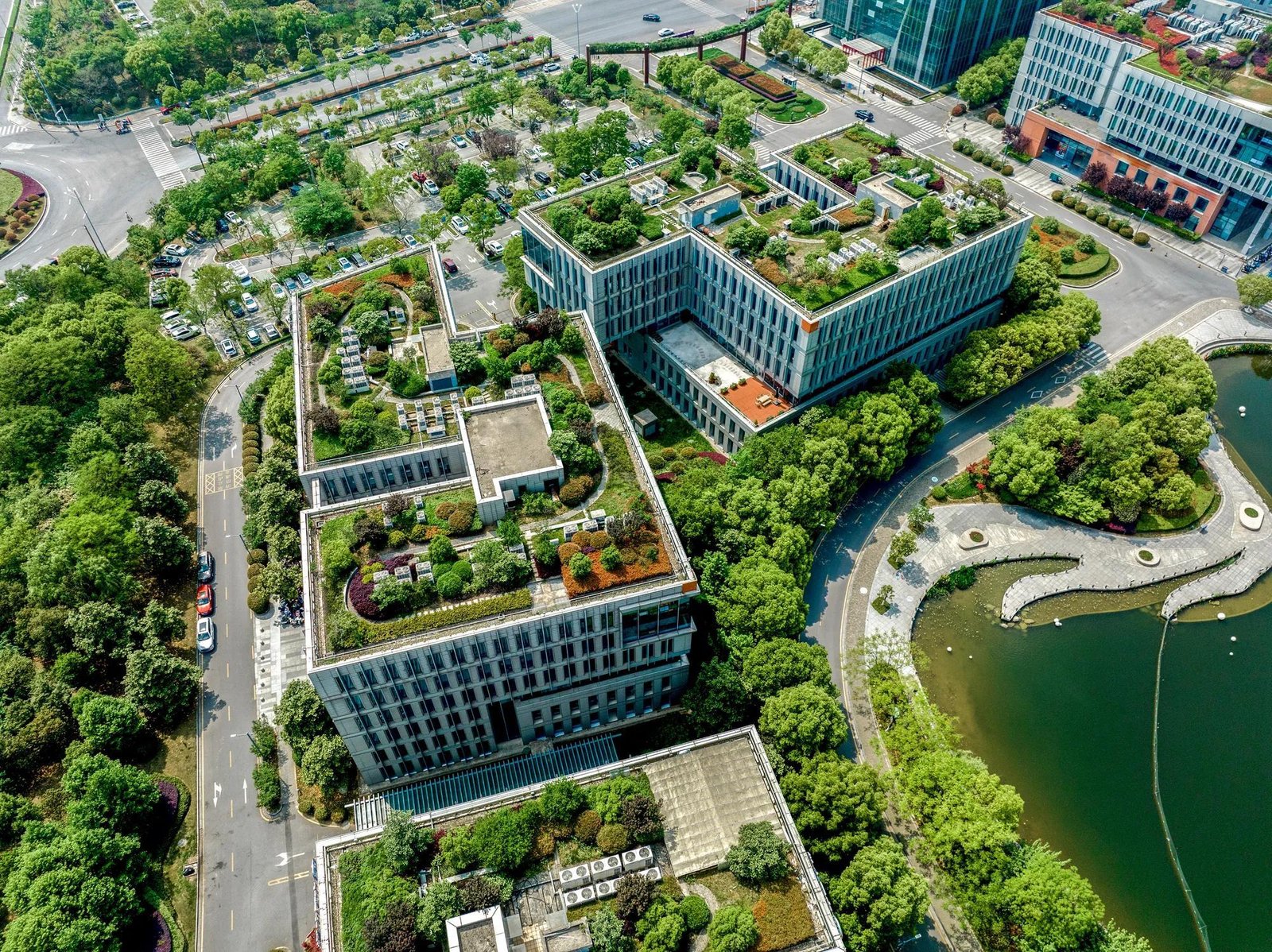

Cities are running out of space, but they may be overlooking one of their most valuable assets: the surfaces above their streets. Rooftops, warehouses, and sprawling car parks can do more than shelter buildings or store vehicles; they can generate electricity, manage rainwater, and help reduce the effects of urban heat. France is advancing policies that require certain new buildings and major renovations to incorporate solar panels or vegetation, while also extending renewable-energy requirements to large outdoor parking areas. The shift puts green roofs and solar energy at the center of a wider economic question: how can cities extract more value from infrastructure they have already built?
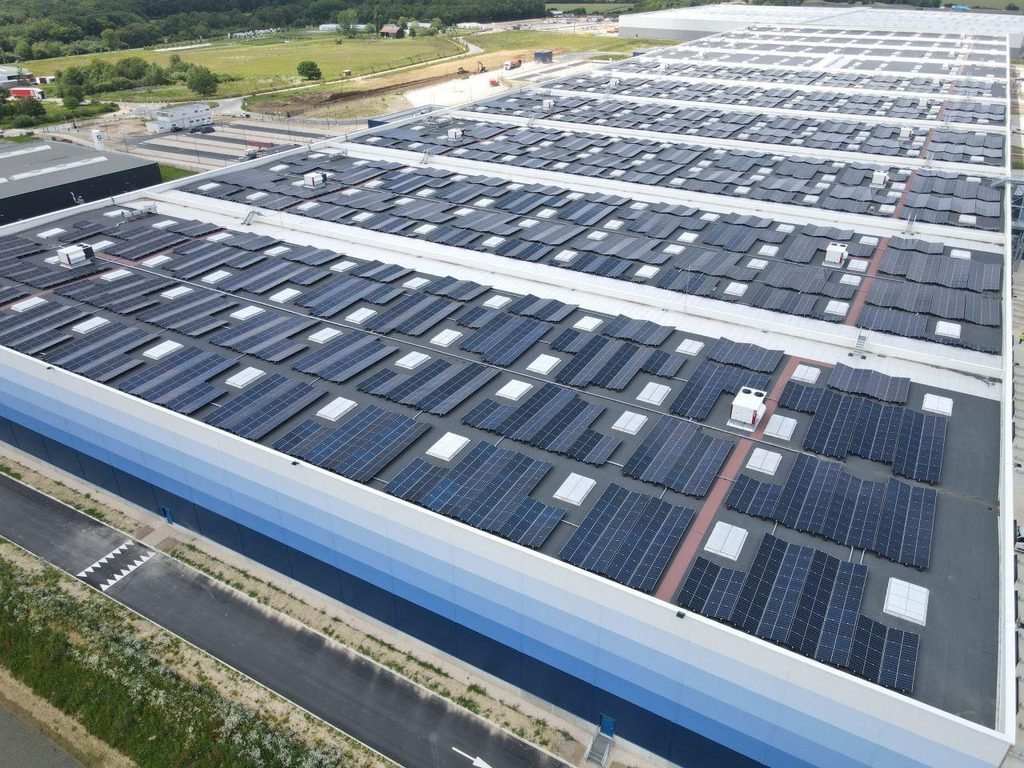
Green roofs and solar energy are changing building economics
France’s approach reflects a growing recognition that buildings can contribute to climate goals instead of simply consuming energy and resources. Under French legislation, certain categories of new commercial, industrial, warehouse and office buildings, as well as some major renovations, face requirements to include renewable-energy production or vegetation across part of their roofs. The exact obligations depend on the building, the project and applicable exemptions.
Solar installations can generate electricity close to where it is used, potentially helping businesses manage exposure to grid prices and improve energy resilience. Green roofs offer a different but complementary set of benefits. Depending on their design, they can provide insulation, slow rainwater runoff, support biodiversity and reduce heat absorbed by urban surfaces.
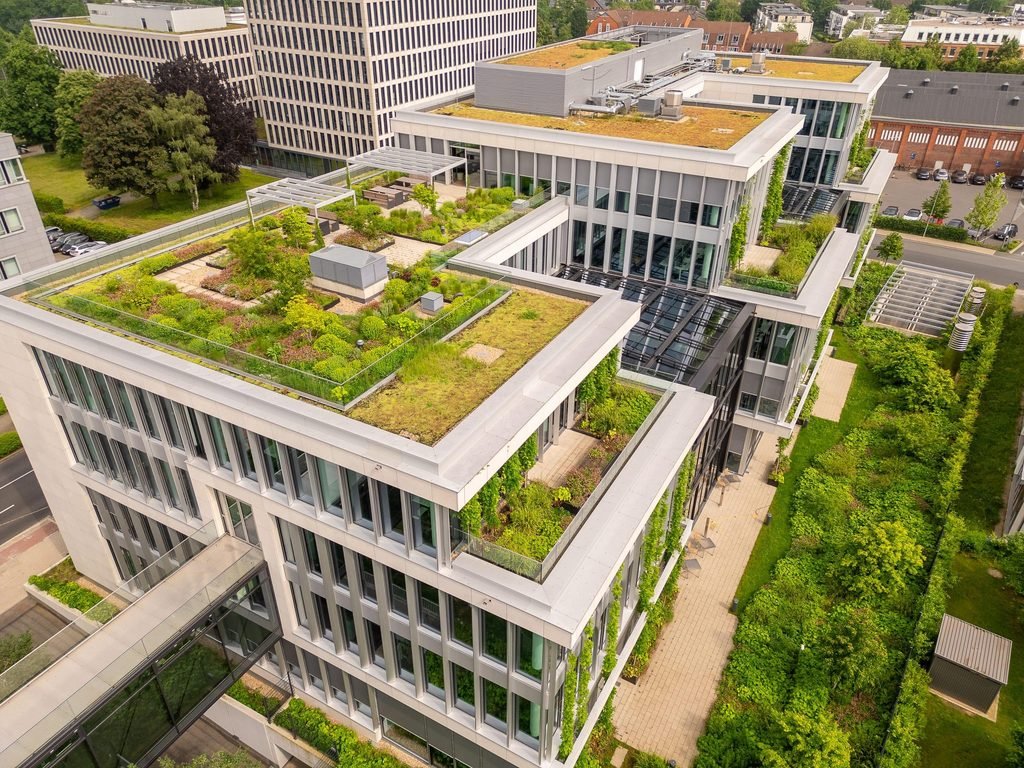
For property owners, however, the economics require careful planning. Solar panels involve upfront investment, electrical connections, and ongoing maintenance. Vegetated roofs need suitable structural capacity, waterproofing, and long-term care. Their financial returns vary with installation costs, energy consumption, building design, climate, and available incentives.
The strongest projects may combine functions rather than treat them as competing options. A building can use solar panels to generate power while incorporating vegetation elsewhere on the roof, provided the engineering, maintenance, and regulatory requirements are satisfied. This integrated approach can help property owners balance energy generation with water management and environmental performance.
Solar parking canopies turn paved land into productive infrastructure
France is also targeting the extensive paved areas surrounding shopping centers, workplaces and other facilities. Under existing rules, certain outdoor car parks larger than 500 square meters must incorporate shading and measures to improve rainwater infiltration or evaporation across at least half their area when constructed or undergoing major renovation. Shading can come from trees or canopies equipped with renewable-energy systems. Separately, the law provides for solar canopies at qualifying existing car parks exceeding 1,500 square meters, with requirements beginning in July 2026 and exemptions under specified conditions.
The business case is potentially significant. Solar canopies can produce electricity while sheltering vehicles from direct sunlight and rain. For shopping centers, logistics operators, and commercial property owners, they offer a way to make existing land serve two purposes without acquiring additional space. The electricity may support on-site operations or, depending on the installation and applicable arrangements, be supplied elsewhere.
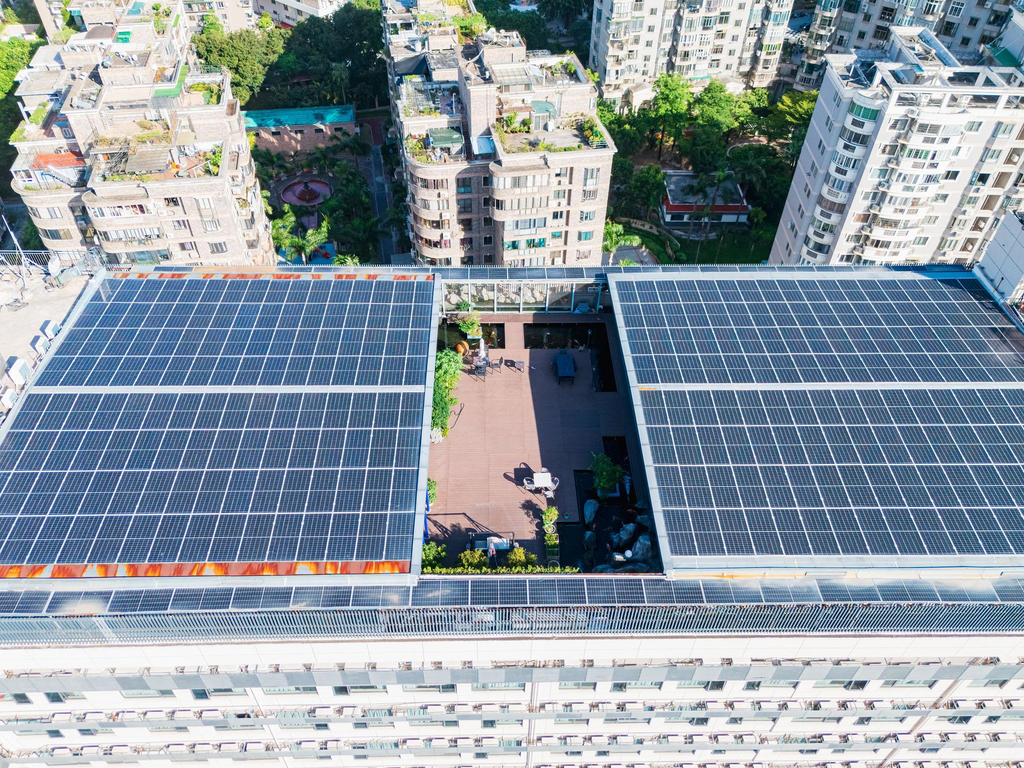
The investment is not automatic profit, however. Developers must account for construction costs, grid connections, planning permissions, maintenance and the suitability of each site. Trees can provide shade and ecological benefits, but require room to grow and long-term care. Solar canopies need engineering that considers vehicle movements, safety, and structural requirements. France’s rules also vary by site and project, so owners must establish which obligations apply before investing.
Green roofs and solar energy offer lessons for growing cities
The wider lesson reaches beyond France. Rapidly growing cities need more electricity while facing heat, flooding, and pressure on land. Making buildings and parking areas multifunctional can help address several challenges through the same infrastructure investment. It also creates demand for solar installers, green-roof specialists, engineers, maintenance firms, and businesses that monitor energy performance.
Also Read: Digital Farm Mechanization Could Help Kenya’s Smallholders Plant on Time
For cities in Kenya and elsewhere in Africa, the model is worth examining rather than copying wholesale. Commercial rooftops, warehouses, malls, and institutional buildings could provide space for distributed solar power, while vegetation and better drainage can help manage heat and intense rainfall where designs suit local conditions. Adoption will depend on financing, building standards, grid arrangements, and whether the benefits justify upfront costs.
Ultimately, green roofs and solar energy are part of a shift in how urban assets are valued. A roof can be an energy source, a parking lot can become a power generator, and landscaping can help manage water instead of simply decorating a site. The opportunity is to design infrastructure that delivers more than one return: commercial value alongside environmental resilience and more livable cities.
Previous Post
Next Post



Pingback: Kenya’s Proposed Fintech Rules Put Founders Under Regulatory Scrutiny