Now Reading: Kenya’s dairy crisis deepens as farmers struggle with costly feed
-
01
Kenya’s dairy crisis deepens as farmers struggle with costly feed
Kenya’s dairy crisis deepens as farmers struggle with costly feed

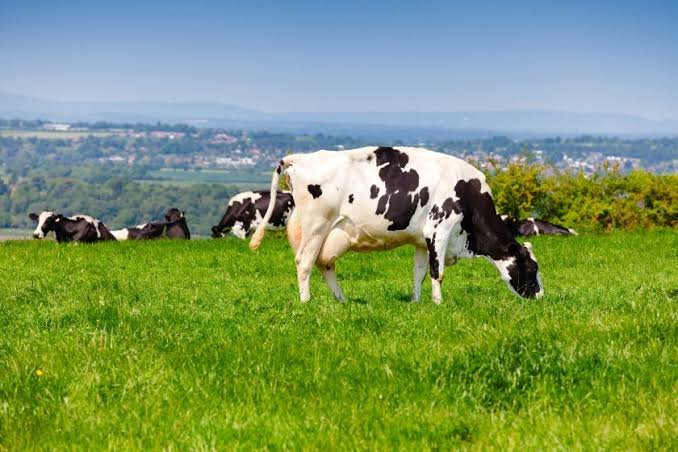

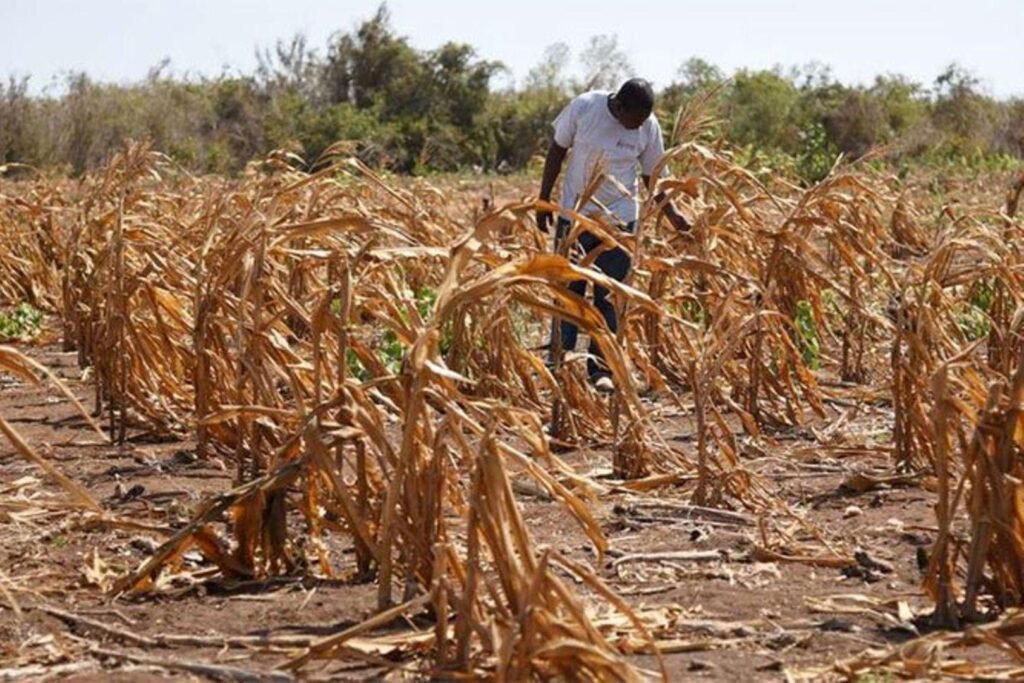
Kenya’s dairy industry is confronting a cost crisis that is becoming increasingly difficult for farmers to absorb. In Trans Nzoia, prolonged drought has damaged maize and fodder supplies, forcing dairy farmers to buy increasingly expensive feed, while milk production falls. The pressure is exposing how closely dairy farming remains tied to the performance of rain-fed agriculture, with a failed maize crop now affecting both household food supplies and livestock income. Across the county, farmers are responding by raising milk prices, reducing herd sizes, and rationing feed as the economics of keeping productive cows deteriorate.
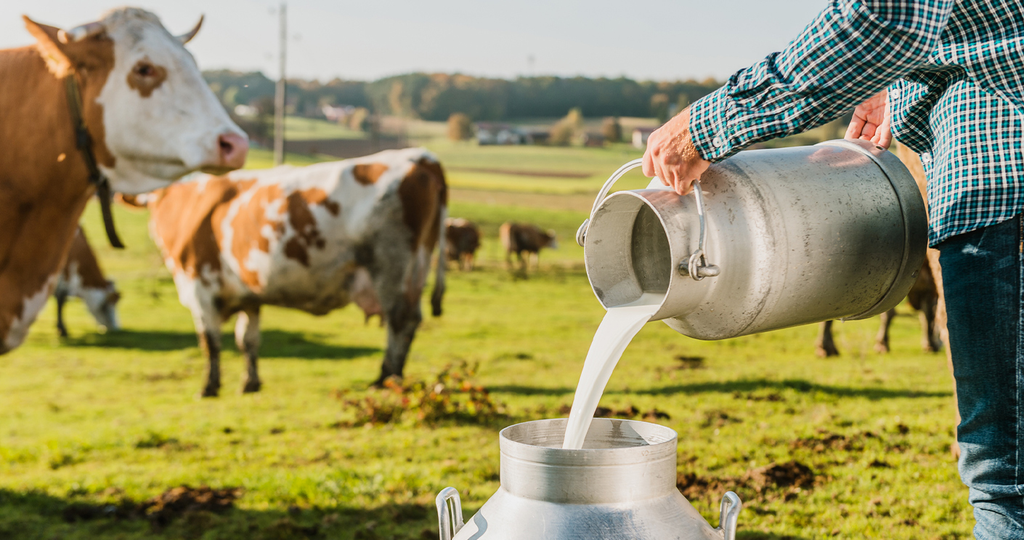
Dairy farming in Trans Nzoia faces a dangerous feed squeeze
The scale of the problem is visible on farms where milk output has fallen sharply. One farmer with 23 dairy cows has seen production decline from more than 700 litres a day to about 460 litres after prolonged drought destroyed much of its maize crop. The family previously produced maize for livestock feed but has now been forced to source feed elsewhere, adding transport and purchasing costs to an already strained operation.
The squeeze is even more severe for farmers who depend heavily on purchased concentrates. Dairy meal prices have risen from about Sh2,500 to around Sh3,000 per bag, while farmers are simultaneously dealing with lower-quality fodder. Another farmer in reports that milk production from six cows had fallen from about 180 litres daily to roughly 80 litres as drought reduced both the quantity and quality of Napier grass and maize.
The economics are becoming increasingly difficult to defend. Feed and other expenses can consume up to 80 per cent of farm income, leaving little room for reinvestment, veterinary care, or expansion. Nationally, the Kenya Dairy Board has estimated the cost of producing a litre of milk at between Sh30 and Sh37, while farmers continue to face rising feed, electricity and other input costs.
The pressure is also feeding into consumer prices. Some farmers have raised milk price from Sh60 to Sh80 per litre to compensate for higher production costs.
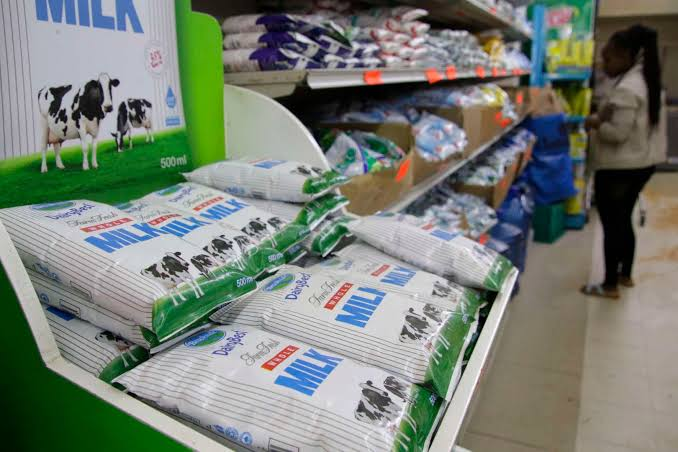
Dairy farming in Trans Nzoia exposes Kenya’s wider feed security problem
The crisis in dairy farming is part of a broader national problem. Formal milk deliveries to processors fell 3.7 per cent from 84.4 million litres in June to 81.3 million litres in July 2026, with government officials attributing the decline largely to prolonged dry conditions and pressure on pasture and animal feed.
The Association of Kenya Feed Manufacturers estimates that Kenya requires about 55 million metric tonnes of animal feed annually but produces only around 40 per cent of that requirement. Because roughly 70 per cent of manufactured animal feed is grain-based, feed manufacturers compete directly with human consumption for maize and other raw materials.
That competition creates a structural vulnerability. When maize production falls, households need grain for food, millers compete for supplies and livestock producers face higher feed costs. The result is a chain reaction that begins with rainfall and ends with milk prices, farmer incomes and household food bills.
The solution therefore cannot simply be higher milk prices. Farmers need reliable fodder production, affordable irrigation, better feed conservation and access to technologies that can make agriculture more resilient to climate shocks. Researchers at KALRO are already promoting drought-tolerant maize varieties, including Ukamez, designed to mature earlier and withstand increasingly unpredictable weather.
For policymakers, the warning is clear. If feed costs continue rising while milk yields decline, more farmers could abandon dairy production or sell animals simply because they cannot afford to feed them. The Standard reports that one large farm in Trans Nzoia has already seen milk production collapse from about 300 litres to as little as 40 litres a day and has been forced to sell some cows to reduce its feed burden.
The future of dairy farming will therefore depend less on the number of cows farmers keep and more on whether they can secure affordable feed throughout the year.
For a county known as one of Kenya’s agricultural powerhouses, that is becoming an increasingly urgent economic question.
Related Posts

Previous Post
Next Post