Now Reading: How medical drones could become Kenya’s next technology industry
-
01
How medical drones could become Kenya’s next technology industry

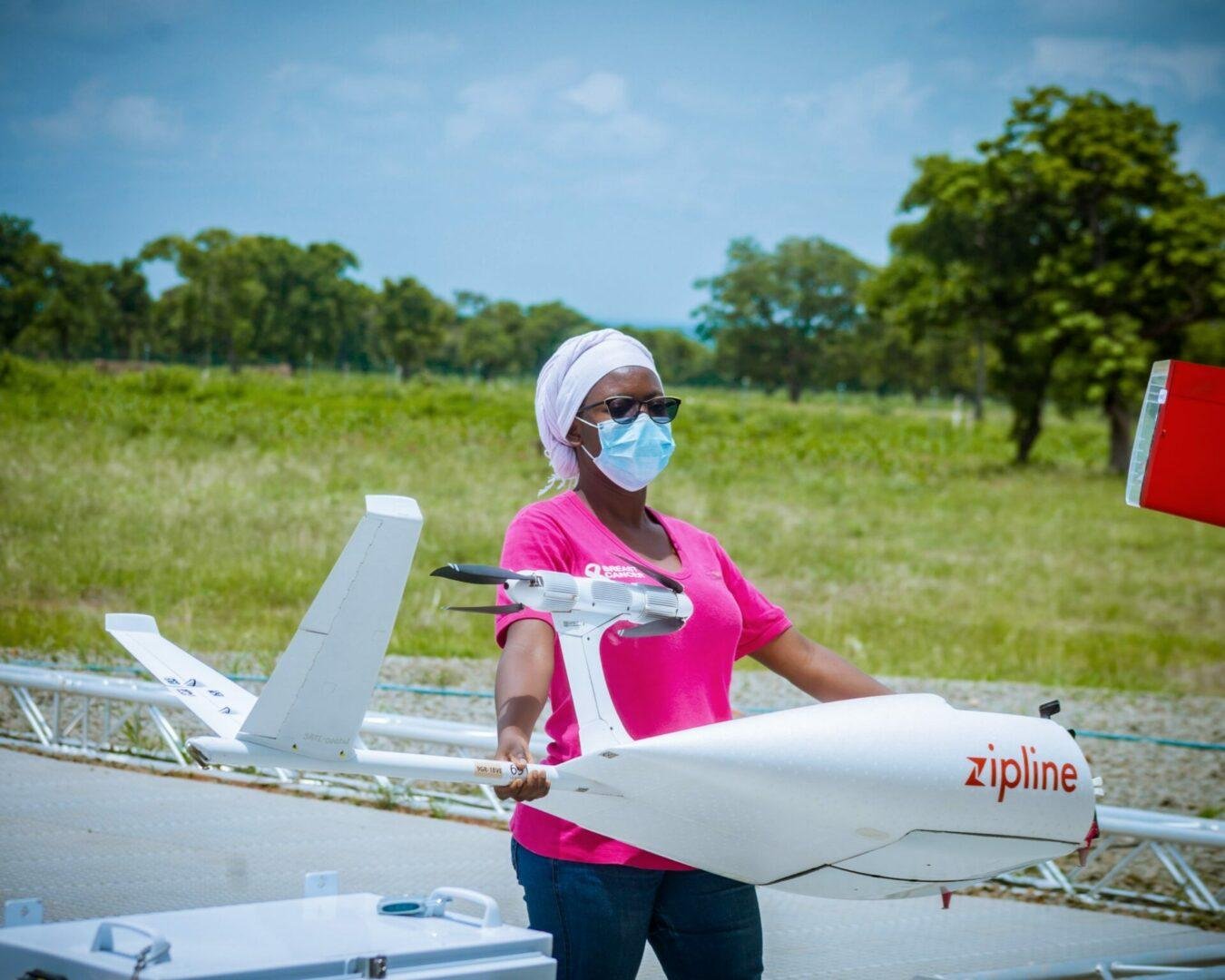

Kenya’s healthcare system is confronting a problem that money and medical expertise alone cannot solve: getting the right commodity to the right facility quickly enough. Drone healthcare is emerging as a practical answer, particularly for blood, vaccines, and other time-sensitive medical supplies that can become useless when stranded in the wrong location. Kenya loses close to 5,000 women annually to pregnancy and childbirth, with roughly four in 10 deaths attributed to postpartum hemorrhage, according to Kisumu County health executive Gregory Ganda. The experience of Kisumu suggests that aerial delivery could evolve from a technology experiment into a permanent piece of national health infrastructure.
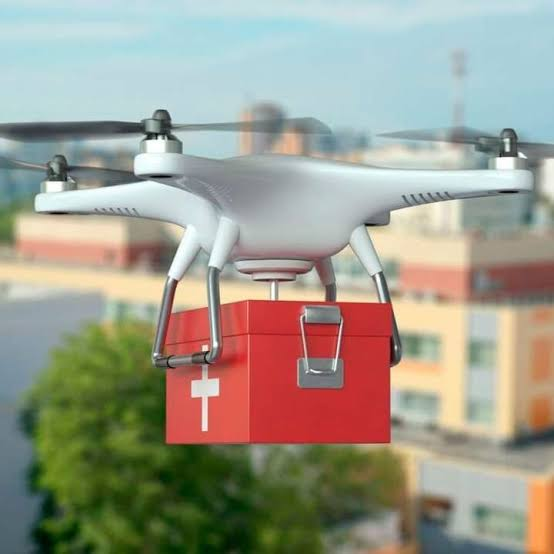
Drone healthcare is changing how medical supplies move
The conventional health-supply model assumes that hospitals and clinics should hold enough stock to meet potential demand. That approach creates a costly contradiction: facilities can run out of essential products while other facilities hold supplies that eventually expire.
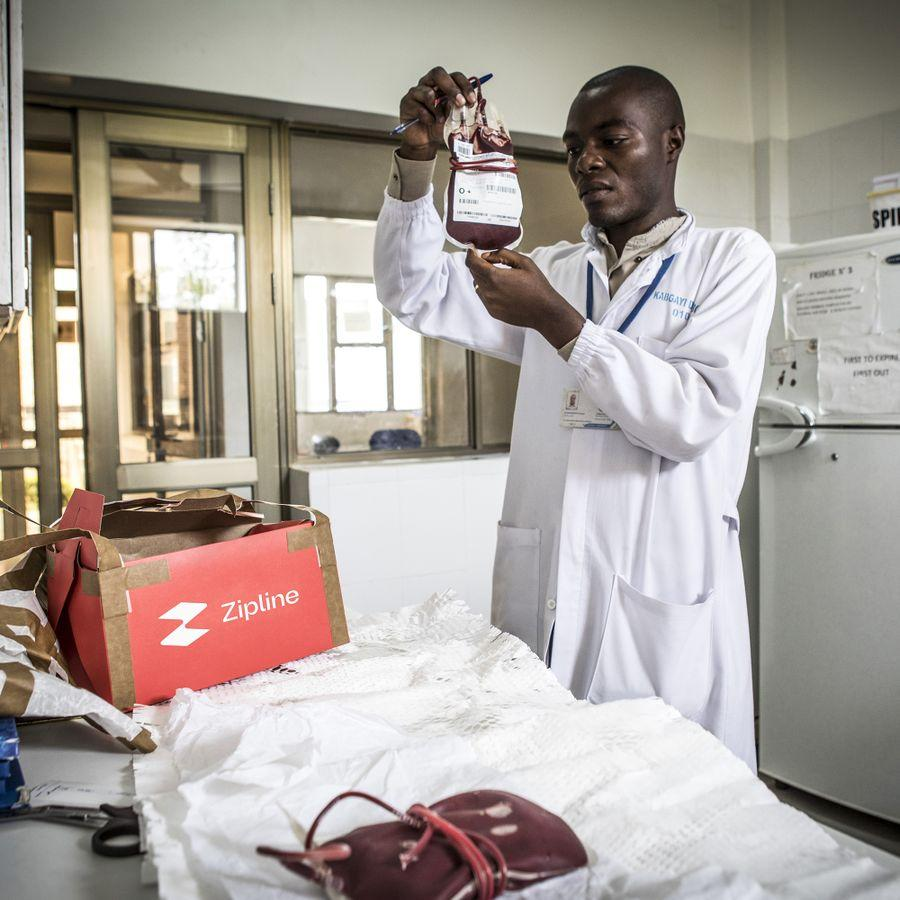
Kisumu County has tested a different model. Instead of distributing every commodity everywhere, critical products can be held centrally under appropriate conditions and dispatched when a facility places an order. Deliveries can take about 15 minutes, turning inventory from a static stockpile into a demand-driven system.
The results are significant. During the 2024/25 reporting period, Kisumu’s records documented 3,347 deliveries carrying 37,339 units of vaccines, medical supplies, blood, and other critical commodities. The system also helped address shortages of anti-rabies treatment by allowing supplies to be dispatched when and where they were required.
The economic case is equally important. Drone healthcare does not necessarily mean spending less on healthcare overall. Its value lies in recovering money otherwise lost through expired medicines, emergency transport and avoidable referrals while improving the availability of critical supplies.
The technology cannot replace doctors, nurses, operating theatres, or blood-transfusion services. What it can do is remove one preventable failure from the healthcare chain: the medicine or blood product that exists but is not where the patient needs it.
Drone healthcare could create a new technology industry
The bigger opportunity is to move drone healthcarefrom county-level contracts into nationally planned infrastructure.
That would require aerial delivery to be recognized within Kenya’s national health-products supply strategy, with clear performance standards and procurement conducted at national or regional scale. Instead of counties independently negotiating technology contracts, government could purchase defined delivery services against common standards.
There is also an industrial opportunity. Kenya could develop domestic hubs, warehouses, launch, and charging infrastructure while gradually building local assembly and component manufacturing capacity. That would shift part of the economic value from simply operating imported systems towards creating an African drone industry, opening opportunities for engineers, technicians, software developers and logistics specialists.
That matters because Kenya is increasingly looking for technology sectors that can create skilled employment rather than simply consume imported products.
Ownership will also be critical. Kisumu’s current service is winding down, highlighting the risk of building essential health systems around arrangements that disappear when a contract ends.
The lesson is therefore larger than drones.
Healthcare infrastructure is ultimately about access. Roads move patients, ambulances move emergencies and cold chains preserve medicines. Aerial logistics can fill the gaps when geography and time make conventional transport too slow.
For Kenya, the opportunity is to turn that capability into a permanent national system—and, eventually, into an industry the country can build, operate, and export.
Previous Post
Next Post