Now Reading: Kenya Sees Fresh Satellite Internet Competition as US Startup Enters the Market
-
01
Kenya Sees Fresh Satellite Internet Competition as US Startup Enters the Market
Kenya Sees Fresh Satellite Internet Competition as US Startup Enters the Market



A new entrant is poised to shake up satellite internet competition in Kenya after American space-technology firm Spacecoin secured a license to roll out satellite broadband services, setting up a direct challenge to Elon Musk’s Starlink in underserved and remote areas. The move reflects Kenya’s broader strategy to diversify connectivity options, widen broadband access, and introduce competitive pricing into a market long dominated by a single provider.
Spacecoin’s entry intensifies satellite internet competition.
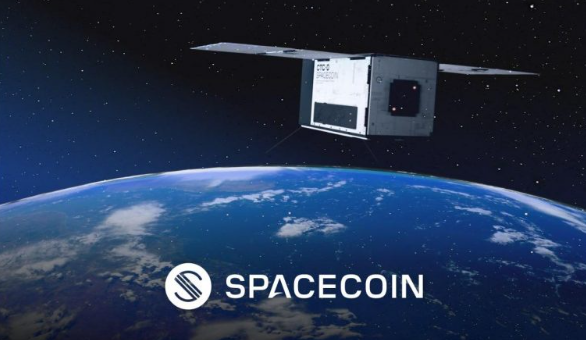
Spacecoin, operated by parent company Space Telecommunications Inc. (STI), has obtained regulatory approval to start offering satellite internet services in Kenya and Nigeria, marking a significant milestone in satellite internet competition across East Africa. The licenses were granted by telecommunications regulators in both countries, enabling Spacecoin to begin deploying its services to regions that lack reliable terrestrial connectivity.
Kenya’s Communications Authority has been encouraging last-mile connectivity initiatives and technology diversification, both through state-led programs and private sector efforts. Satellite broadband has been a key focus, particularly for rural communities and areas where infrastructure investment is costly or logistically challenging. Spacecoin’s approval aligns with these digital inclusion objectives and could spur further investment in space-based communications infrastructure.
Starlink has held a near-monopoly position in Kenya’s satellite internet space, commanding virtually all market share since it launched services in the country. However, entry barriers such as high hardware costs and capacity constraints have limited its mass-market appeal, creating an opening for competitors. Analysts say that Spacecoin’s presence could pressure existing providers to adapt pricing, expand coverage, or innovate on service offerings as consumer demand for affordable connectivity continues to grow.
The arrival of Spacecoin comes against a backdrop of evolving broadband dynamics in Kenya. Starlink has been operational since 2023, attracting attention for its promise of high-speed connectivity where fibre and mobile networks are limited. Yet, its share of the fixed broadband market has remained relatively small compared with terrestrial providers, and growth has at times been constrained by regulatory and infrastructure challenges.
Competition is not limited to satellite services. Fibre and wireless providers like Safaricom, Jamii Telecoms (Faiba), and regional fixed wireless operators continue to grow customer bases by offering high-speed alternatives. Safaricom, for instance, holds a dominant position in Kenya’s broadband segment, and other players have expanded their offerings to cover both urban and peri-urban populations.
Implications of renewed satellite internet competition
The prospect of intensified satellite internet competition could benefit consumers and businesses alike. Lower prices, expanded coverage, and improved service levels are among the potential outcomes as providers compete for subscribers. This is particularly important in regions where reliable connectivity remains limited or unavailable.
For enterprise customers, enhanced satellite broadband options could support digital transformation efforts, remote operations, and data-reliant business models. In sectors such as agriculture, logistics, education, and healthcare, expanded connectivity can unlock productivity gains and access to digital services that were previously out of reach.
Read Also: UK Shoppers Embrace Healthy Habits as Grocery Price Inflation Eases
However, challenges remain. Satellite internet requires substantial upfront infrastructure investment, regulatory coordination, and spectrum allocation. Providers must ensure that backhaul links, ground stations, and customer equipment are deployed efficiently to deliver consistent performance. Coordination with local telecommunication networks and compliance with national standards are also key to successful rollout.
Spacecoin’s entry illustrates how global startups are increasingly viewing emerging markets like Kenya as strategic opportunities for growth. With digital demand rising and traditional connectivity infrastructure stretched, satellite broadband is gaining traction as a complementary option to fibre and mobile networks.
As competition intensifies, the Kenyan market could become a proving ground for innovative satellite technologies and pricing models — a dynamic that may ultimately drive greater access and inclusion across the country’s digital landscape.
Previous Post
Next Post