Now Reading: Meta’s Dominance in the Kenya Digital Advertising Market Explained
-
01
Meta’s Dominance in the Kenya Digital Advertising Market Explained

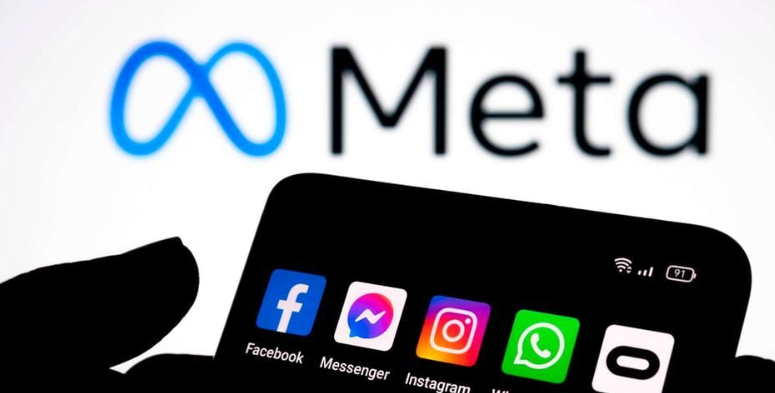

The Kenya digital advertising market is heavily dominated by Meta Platforms, with its Facebook and Instagram platforms accounting for a staggering 79 percent of all online ad spending in the country, according to recent industry data. This level of concentration highlights how Kenyan advertisers overwhelmingly prioritize Meta’s social networks over other channels, shaping how brands allocate budgets, engage consumers, and measure digital performance in a rapidly evolving media landscape.
Meta’s outsized role in shaping the Kenya digital advertising market
Meta’s grip on Kenya’s digital ad spend reflects broader trends in internet and social media use in the country. In the three months to September 2025, Facebook generated approximately Sh6.1 billion from digital ads placed by Kenyan companies, representing about 52 percent of total spend. Instagram contributed another Sh3.2 billion, equivalent to 27 percent of the total, lifting the combined share of Meta’s platforms to 79 percent.
This dominance is striking when compared with other global players. Platforms such as TikTok, YouTube, Google’s display networks, and X together accounted for less than 20 percent of Kenya’s digital ad investment over the same period. For example, TikTok’s portion remained negligible at around 0.2 percent of total spend, despite its rapid user growth and popularity among younger audiences. Meanwhile, YouTube and Google Display captured modest portions of the market.
Several structural factors underpin Meta’s leadership in the Kenya digital advertising market. Facebook continues to be the most widely used social platform in the country, with a broad user base including adults, small business owners, and community groups. Instagram, while less popular in pure user terms, draws significant ad budgets because of its visual focus and appeal to urban and youth demographics. Kenyans’ adoption of mobile internet and the centrality of social media in digital engagement further boost the platforms’ attractiveness to advertisers.
However, the dominance also raises questions about competition and regulatory oversight. Industry analysts point out that local platforms and alternative digital channels face a competitive disadvantage when foreign technology companies capture such a disproportionate share of ad spend. Some experts argue that this could limit innovation in local ad tech solutions and expose advertisers to algorithmic volatility and data privacy risks without commensurate regulatory protections.

Broader implications for brands and media strategy
For advertisers, the current structure of the Kenya digital advertising market presents both opportunities and risks. On one hand, concentrating ad budgets on platforms with extensive reach and sophisticated targeting tools can deliver scale and engagement efficiency. Meta’s ad products allow precise demographic, interest-based, and behavioral targeting that can help brands optimize return on investment, particularly in competitive segments such as consumer goods, telecoms, and retail.
Read Also: Bitcoin ATMs in Kenya Boosting Crypto Access
On the other hand, overreliance on a limited set of platforms could leave advertisers vulnerable to changes in algorithm policies, data governance rules, and platform-specific business conditions. Diversification across multiple digital environments, including emerging channels and programmatic ecosystems, can mitigate such concentration risks while tapping into evolving audience behaviors.
Data from industry reports also suggest that the Kenya digital advertising market itself is expanding rapidly, driven by rising internet penetration, growing mobile usage, and shifting consumer behavior. Projections indicate that digital advertising will make up an increasingly larger share of total ad spend in the coming years as brands pivot away from traditional media toward digital-first strategies.
As the market continues to evolve, the influence of dominant platforms like Meta will likely remain significant, but the dynamics of competition, consumer preferences, and regulatory responses could shift how ad dollars are distributed in Kenya’s digital ecosystem.
Previous Post
Next Post