Now Reading: Strategic Growth as Henrey EV Assembly Plant Drives Green Mobility in Mombasa
-
01
Strategic Growth as Henrey EV Assembly Plant Drives Green Mobility in Mombasa
Strategic Growth as Henrey EV Assembly Plant Drives Green Mobility in Mombasa



Kenya’s automotive sector is taking a transformative turn with the launch of a Henrey EV assembly plant in Mombasa, where Rideence Africa Limited is investing Sh320 million to begin assembling electric vehicles locally. The move marks a shift from importing fully built units to domestic production, with the potential to lower prices, deepen local supply chains, and boost the country’s e-mobility ecosystem. This development also positions Kenya as an emerging hub for electric vehicle manufacturing in East Africa.
Local assembly poised to reshape Kenya’s EV market
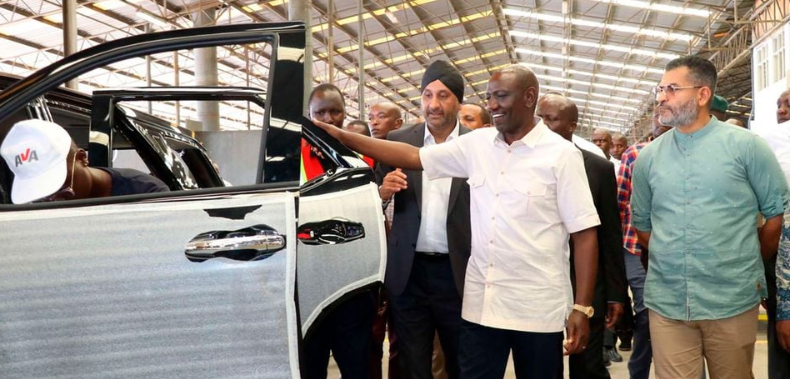
The Henrey EV assembly plant initiative is a partnership between Rideence Africa, a Chinese-backed electric mobility firm, and Associated Vehicle Assemblers (AVA) in Mombasa. Under the first phase, the facility will assemble 152 electric vehicles — including **132 Henrey electric taxis and 20 Joylong electric high-roof matatus — from completely knocked-down (CKD) kits by February 2026.
This local assembly line is expected to reduce vehicle prices significantly. Mileage costs for electric taxis are already more affordable than petrol alternatives, with charging for a 200-kilometre range costing about Sh400 compared with more than Sh2,000 in petrol costs. Rideence says that prices for locally assembled vans such as the Joylong may fall by as much as 25 percent once the cost benefits of local production and tax incentives are fully realized.
The investment will help Rideence transition from being primarily a vehicle importer to a local manufacturer, supporting its broader strategy of increasing local content to 25 percent by 2026 and targeting 40–60 percent in the longer term. The company has already invested more than Sh1.4 billion in Kenya since 2023, largely through its lease-to-drive model and EV deployments.
Tax incentives play a key role. EV assemblers are exempt from the 35 percent import duty on fully built vehicles, and components for assembly benefit from reduced import declaration fees and lower excise duties, which together support more competitive pricing for end users.
Economic and industrial impact of the Mombasa EV hub
The Henrey EV assembly plant is expected to deliver substantial economic benefits. Rideence estimates the assembly phase will create at least 3,000 direct and indirect jobs, spanning vehicle assembly, charging infrastructure, logistics, and support services. The company also reports having already created 550–680 direct jobs through its operations in Kenya over the past three years.
The project aligns with Kenya’s broader industrialization and clean energy goals. Building an electric vehicles assembly capability contributes to technology transfer, skills development, and reduces the country’s reliance on imported fossil fuel vehicles. By embedding more local content in EV production, Kenya strengthens its automotive value chain and diversifies manufacturing beyond traditional markets.
See Also: Why Kenya’s House Prices Are Rising Faster Than Incomes
Beyond vehicle manufacturing, Rideence plans to expand the charging network nationally, growing from 16 stations to 100 by the end of 2026, supporting both its fleet and the wider EV ecosystem. This infrastructure expansion is critical to addressing one of the key barriers to EV adoption in Kenya.
Analysts say the assembly line could catalyze additional investor interest in Kenya’s EV sector, as supportive policies and strategic partnerships reduce barriers to scale. The country’s National Automotive Policy and related incentives aim to make local assembly more competitive and increase new car affordability relative to the dominant used vehicle market.
However, industry observers caution that widespread adoption will depend on continued investment in charging infrastructure, financing solutions for buyers, and sustained local supply chain growth. If these elements align, the Mombasa EV assembly hub could become a foundation for regional electric vehicle manufacturing and a driver of inclusive industrial growth.
Previous Post
Next Post