Now Reading: Alarming Illicit Financial Flows Drain Billions from Kenya’s Economy
-
01
Alarming Illicit Financial Flows Drain Billions from Kenya’s Economy

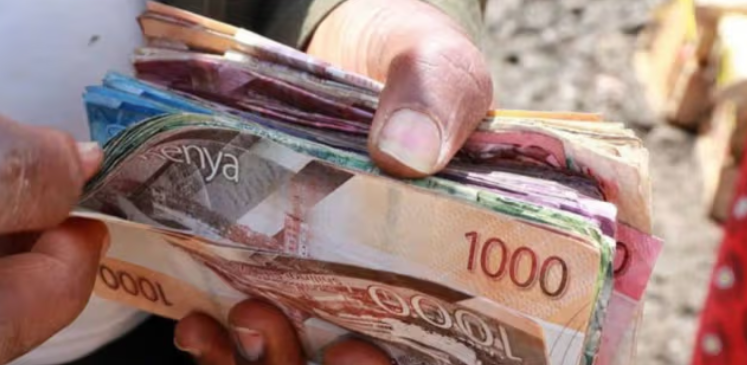

Kenya is among Africa’s most affected economies by illicit financial flows, losing more than $47.4 billion through trade-related leakages over the past decade, according to a new report by Global Financial Integrity (GFI). The findings underline the growing scale of revenue losses facing the country at a time of rising public debt, fiscal pressure, and increasing demand for social spending. The Washington DC-based think tank analyzed trade data from 2013 to 2022 and found widespread misinvoicing, undeclared transactions, and price manipulation across African trade corridors. While South Africa recorded the largest cumulative losses, Kenya ranked among the top five countries most exposed to illicit financial flows, alongside Nigeria, Ghana, Côte d’Ivoire, and Angola.
GFI attributes Kenya’s vulnerability to its position as a regional commercial and logistics hub. Nairobi’s role as a gateway for East African trade has increased transaction volumes, but also widened opportunities for customs evasion, under-invoicing of imports, and mispricing of exports. These practices allow firms and criminal networks to move money offshore illegally, depriving the government of tax revenues and distorting legitimate competition.
Illicit financial flows weaken Kenya’s revenue base
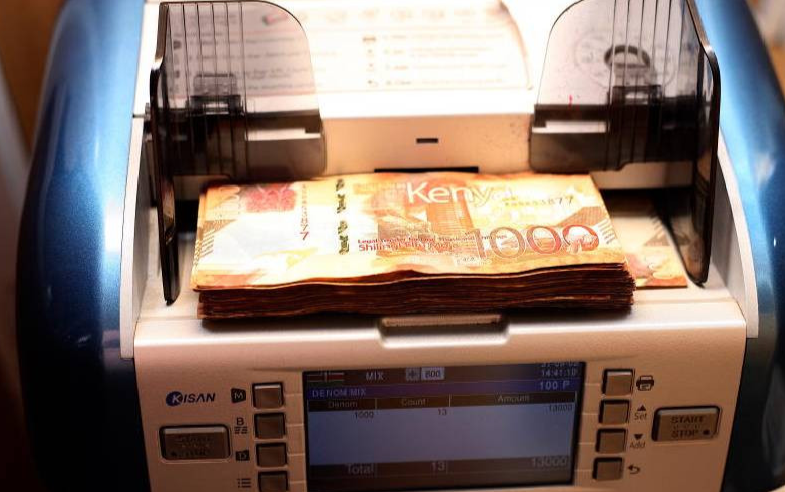
According to the report, illicit financial flows undermine Kenya’s ability to mobilize domestic revenue, forcing the government to rely more heavily on borrowing to fund development projects and public services. Over time, this contributes to higher debt servicing costs and reduced fiscal space for investment in healthcare, education, and infrastructure.
Trade misinvoicing remains the most common channel, with importers undervaluing goods to evade customs duties and exporters manipulating prices to shift profits abroad. The study also highlights Nairobi’s role in the smuggling of gold and other high-value commodities, further intensifying capital leakage.
“Kenya’s aggregate trade gap is striking for a diversified economy,” the report notes, adding that the scale of illicit financial flows suggests systemic weaknesses in trade monitoring and enforcement mechanisms.
Illicit financial flows demand coordinated action
The report calls for urgent reforms to curb illicit financial flows, including tighter trade oversight, stronger customs valuation systems, and full implementation of anti-money laundering regulations. GFI recommends enhanced scrutiny of transactions involving politically exposed persons, greater transparency around beneficial ownership, and more aggressive prosecution of high-profile cases.
Regionally, the report urges African Union members to harmonize anti-IFF strategies and standardize trade invoice verification across borders. Collaboration with global partners, including engagement through the UN Economic and Social Council, is also seen as critical in addressing the transnational nature of illicit financial flows.
An economist familiar with the findings said the stakes are high. “Reducing illicit financial flows is one of the fastest ways Kenya can strengthen its revenue position without raising taxes. Even modest improvements in enforcement could unlock billions for development,” the expert noted.
GFI argues that retaining funds currently lost to illicit financial flows would allow African countries to finance their own growth, reduce dependency on external aid, and strengthen public accountability. For Kenya, closing these leakages could significantly improve long-term economic resilience and investor confidence.
Read Also: How NYOTA Start-Up Grants Boost Youth Entrepreneurship
Related Posts



Previous Post
Next Post