Now Reading: They Can Steal Your Password Without Guessing It: Businesses Must Brace for a New Wave of Cyberattacks
-
01
They Can Steal Your Password Without Guessing It: Businesses Must Brace for a New Wave of Cyberattacks
They Can Steal Your Password Without Guessing It: Businesses Must Brace for a New Wave of Cyberattacks

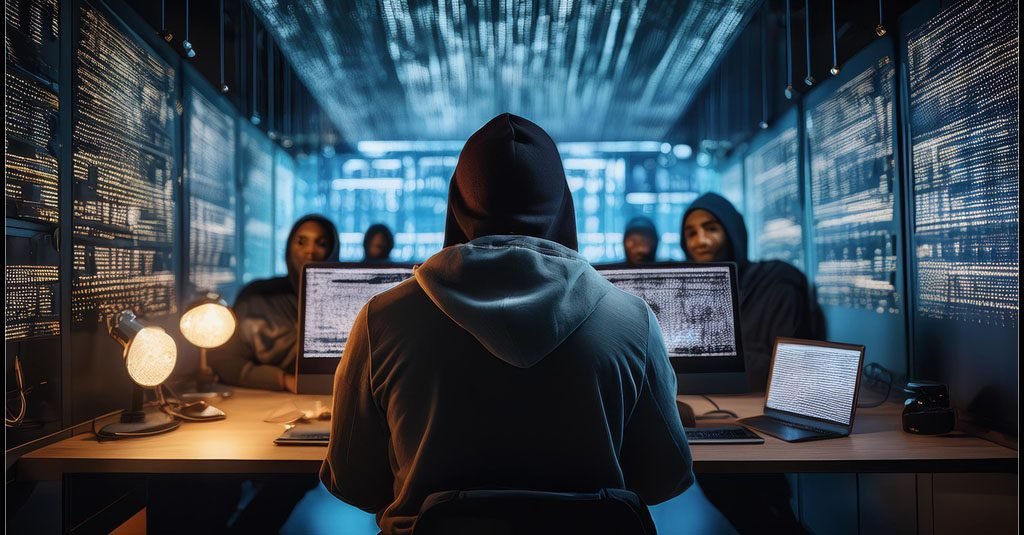


What if someone could log into your email, website, or bank account without ever knowing your password?
That is no longer a hypothetical scenario. In 2026, cybersecurity experts warn that hackers are increasingly bypassing traditional password protections altogether — using artificial intelligence, automated bots, stolen login data, and even SIM card manipulation to access personal and business accounts. For Kenyan entrepreneurs, media professionals, and SMEs operating online, the risks have never been higher.
Recent data from the Communications Authority of Kenya shows that the country detected billions of cyber threat incidents in a single quarter, reflecting a dramatic surge in malicious activity. Globally, studies estimate that a significant percentage of companies have experienced data breaches, costing businesses millions of dollars in recovery, legal penalties, and reputational damage.
This is no longer just an IT problem. It is a business survival issue.
The Global Scale of Corporate Hacking
Cybercrime is now considered one of the fastest-growing forms of criminal activity in the world. International cybersecurity reports consistently show that thousands of companies suffer data breaches every year.
Global surveys indicate that roughly one in four companies worldwide has experienced a data breach costing between $1 million and $20 million. These costs include operational disruption, ransom payments, regulatory fines, lawsuits, and brand damage. For large corporations, losses can climb into hundreds of millions of dollars.
The number of publicly reported data breaches globally runs into the thousands annually, but experts believe the true number is much higher because many incidents go unreported. Small and medium-sized businesses are particularly vulnerable because they often lack dedicated cybersecurity teams, making them easier targets.
What has changed in recent years is not just the frequency of attacks, but the intelligence behind them.
Kenya’s Rising Cyber Threat Landscape
Kenya is not immune. In fact, it is increasingly targeted due to its growing digital economy, mobile money ecosystem, and expanding online business environment.
According to national cybersecurity monitoring reports, Kenya has recorded billions of cyber threat events within short reporting periods, representing increases of over 200 percent and even 400 percent compared to previous quarters.
These “threat events” include attempted malware infections, brute-force password attacks, phishing campaigns, botnet traffic, and distributed denial-of-service (DDoS) attacks. While not every threat results in a successful breach, the sheer volume indicates the intensity of targeting.
Email breaches have also surged significantly, with hundreds of thousands — and in some reporting periods nearly two million — compromised accounts detected. Once an email is breached, it becomes a gateway to resetting passwords for banking, social media, website dashboards, and cloud storage platforms.
For Kenyan businesses operating e-commerce sites, digital news platforms, logistics systems, or payment integrations, this presents enormous exposure. Recently, a number of Kenyans were arrested by Interpol due to hacking and other cyber security issues. Here is why:
How Hackers Access Your Passwords Without “Hacking” You
Many people assume hacking involves guessing passwords through brute force attacks. While that still happens, modern cybercriminals often rely on smarter, quieter techniques.
One major method is credential stuffing. When one platform suffers a breach and user login data is leaked, hackers use automated bots to test the same email-password combinations across hundreds of other websites. Because many users reuse passwords, attackers often gain access within seconds.
Another technique involves phishing powered by artificial intelligence. AI tools can now craft highly convincing emails that mimic banks, clients, colleagues, or government agencies. These emails are grammatically correct, personalized, and timed strategically. Victims click malicious links and unknowingly enter login credentials into fake websites designed to look identical to legitimate ones.
Even more concerning is session hijacking, commonly known as cookie theft. Websites use small files called cookies to keep users logged in. If attackers steal those session cookies through malware or browser vulnerabilities, they can access accounts without ever entering a password.
In Kenya, SIM swap fraud remains a serious threat. Criminals convince mobile network providers to transfer a victim’s phone number to a new SIM card. Once they control the number, they intercept one-time verification codes sent via SMS and reset account passwords. This method has been used to drain bank accounts and hijack high-value social media pages.
Deepfake technology has also entered the cybersecurity arena. Globally, companies have reported cases where executives’ voices were cloned using AI, tricking employees into authorizing transfers or revealing sensitive credentials. While still emerging in East Africa, the technology is becoming more accessible.

Why Small Businesses Are Prime Targets
There is a misconception that only large corporations are targeted. In reality, small businesses are often preferred victims.
Hackers know that SMEs frequently use shared passwords, lack two-factor authentication, and delay software updates. Many websites built on content management systems rely on plugins that, if outdated, can expose vulnerabilities.
Cybercriminals also understand that smaller companies may be more likely to pay ransoms quickly to restore operations.
Globally, ransomware attacks have grown dramatically over the past five years. Businesses are locked out of their own systems until they pay cryptocurrency demands. Recovery costs often exceed the ransom itself due to downtime and data restoration expenses.
In Kenya’s competitive digital economy, even a 24-hour website outage can translate into significant revenue loss and customer distrust.
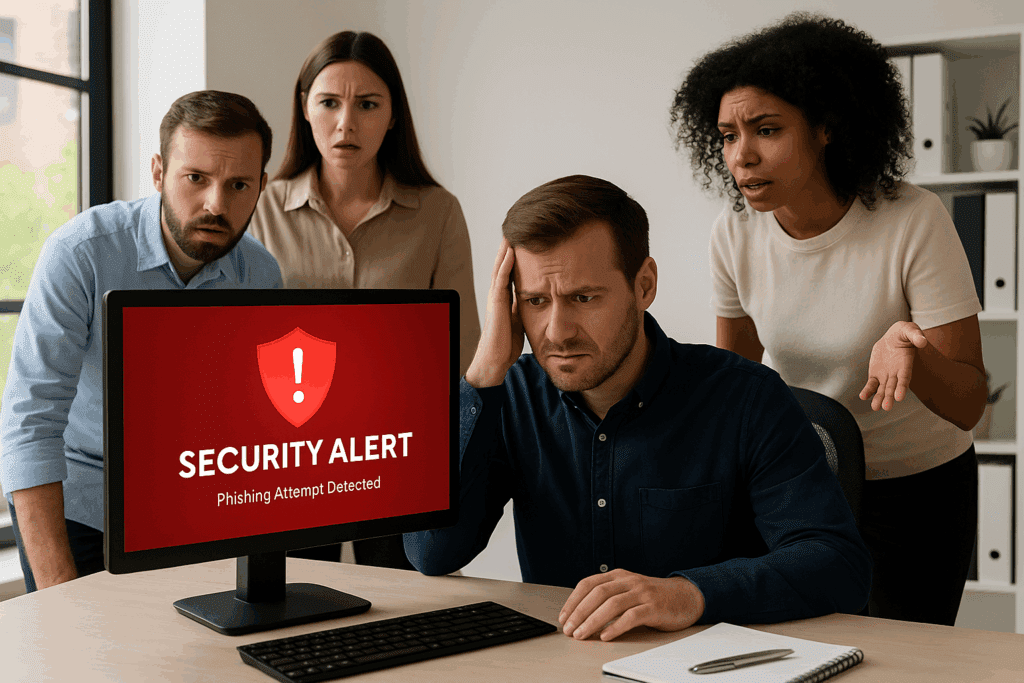
The Financial and Reputational Cost
Beyond direct financial loss, cyberattacks erode trust.
When customer data is leaked — including phone numbers, ID numbers, or payment information — businesses may face legal consequences under data protection regulations. Kenya’s Data Protection Act places responsibility on organizations to safeguard personal data. Breaches can attract penalties and regulatory scrutiny.
Reputational damage may be even more devastating. Customers are less likely to transact with brands perceived as insecure. For media houses, tech startups, and online retailers, credibility is everything.
International studies estimate that the average cost of a data breach globally runs into millions of dollars when all associated expenses are included. While Kenyan figures vary, the proportional impact on local SMEs can be catastrophic.
Moving Beyond Passwords
Security experts increasingly argue that passwords alone are no longer sufficient.
Multi-factor authentication using app-based authenticators or hardware security keys significantly reduces risk. Unlike SMS codes, app-based systems are harder to intercept through SIM swapping.
Passkeys — digital credentials stored securely on devices — are emerging as a safer alternative to traditional passwords. They eliminate the need to remember complex strings and reduce vulnerability to phishing.
Regular software updates, encrypted backups, and strict access controls are also essential. Businesses should conduct periodic security audits and ensure employees are trained to recognize phishing attempts.
Cybersecurity awareness is no longer optional training for IT departments. It must be integrated into daily operations. Check out here:
A Wake-Up Call for Kenya’s Digital Economy
Kenya’s ambition to lead in fintech, digital media, and e-commerce makes cybersecurity resilience a national priority.
The sharp rise in cyber threat detections reflects both improved monitoring and intensified targeting. As more businesses digitize operations, attackers follow the money.
The uncomfortable truth is this: hackers do not need to break down your digital door if you unknowingly hand them the keys.
In 2026, protecting personal passwords is no longer just about choosing a strong combination of letters and symbols. It is about understanding how modern cybercrime works — and acting before your business becomes another statistic.
For entrepreneurs, journalists, startups, and established firms alike, caution is no longer paranoia. It is strategy.

Previous Post
Next Post