Now Reading: Wananchi Group Insolvency Demand Raises Fibre Market Concerns
-
01
Wananchi Group Insolvency Demand Raises Fibre Market Concerns

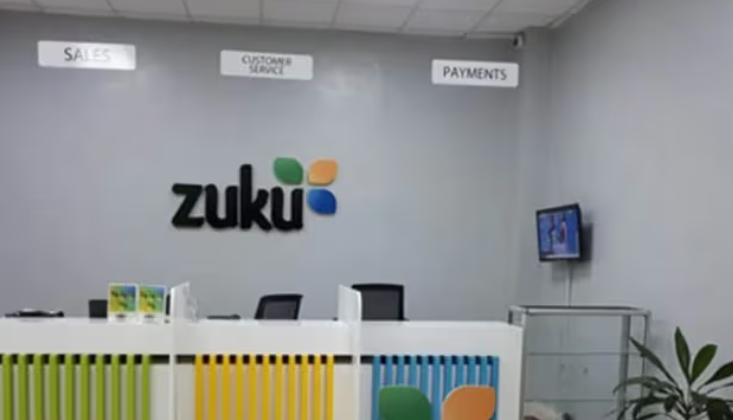

Wananchi Group insolvency demand has placed the parent company of Zuku under renewed financial scrutiny after a creditor moved to trigger formal insolvency proceedings over a KSh 46.9 million commercial debt. Court filings show that CP Cables issued a statutory demand under the Insolvency Act, 2015, claiming unpaid invoices amounting to KSh 46.9 million. The matter was lodged before the Commercial and Tax Division of the High Court in Nairobi as Insolvency Cause No. E017 of 2026.
Under Kenyan law, a company served with a statutory demand has 21 days to settle the amount, secure it, or demonstrate a valid counterclaim or set-off. Failure to comply is treated as evidence that the company is unable to pay its debts as they fall due — a legal threshold that can open the door to insolvency proceedings. The case brings fresh attention to Wananchi Group, the operator of Zuku internet and pay-television services. The firm is a subsidiary of Wananchi Group Holdings, majority-owned by Axian Telecom.
While the sum involved is relatively modest by telecommunications standards, the use of a statutory demand mechanism elevates the matter beyond a routine supplier dispute into the insolvency arena.
You Might Also Like: Shared Mobility Reshapes Electric Vehicles in Kenya’s Growth
Wananchi Group Insolvency Demand Highlights Fibre Market Strain
The Wananchi Group insolvency demand underscores the mounting financial pressure within Kenya’s fixed broadband sector. Fibre network expansion requires heavy upfront capital expenditure, often involving imported equipment and long-term infrastructure commitments. Revenue, however, accrues gradually through monthly subscriptions in a highly price-sensitive market. Over the past decade, operators have aggressively expanded fibre footprints in major urban centers, intensifying competition and compressing margins. Equipment suppliers frequently extend credit to network operators placing large-scale orders, making payment cycles a critical component of network sustainability.
When outstanding invoices stretch beyond agreed timelines, vendors may escalate recovery through legal channels — one of the few effective remedies available in large infrastructure supply arrangements. Wananchi has not publicly responded to the claim. The company operates one of Kenya’s largest fixed internet and pay-TV platforms under the Zuku brand, competing in a market that has shifted dramatically in recent years.

Once anchored by pay-TV subscriptions competing against MultiChoice and StarTimes, Wananchi has increasingly leaned on broadband internet as its core growth engine. The rise of global streaming platforms such as Netflix and Showmax has reshaped consumer demand, accelerating the pivot toward high-speed data services. The insolvency demand does not automatically place the company into administration or liquidation. However, it introduces legal and reputational risk at a time when the sector is grappling with rising operating costs, currency pressures, and competitive pricing dynamics.
Industry observers note that broadband operators must carefully balance expansion ambitions with cash flow discipline, particularly in markets where subscriber growth does not immediately offset infrastructure outlays.
Previous Post
Next Post