Now Reading: Ethiopian Airlines beat Its revenue target for first half of FY 25/26: Key Takeaways for Kenya Airways
-
01
Ethiopian Airlines beat Its revenue target for first half of FY 25/26: Key Takeaways for Kenya Airways
Ethiopian Airlines beat Its revenue target for first half of FY 25/26: Key Takeaways for Kenya Airways

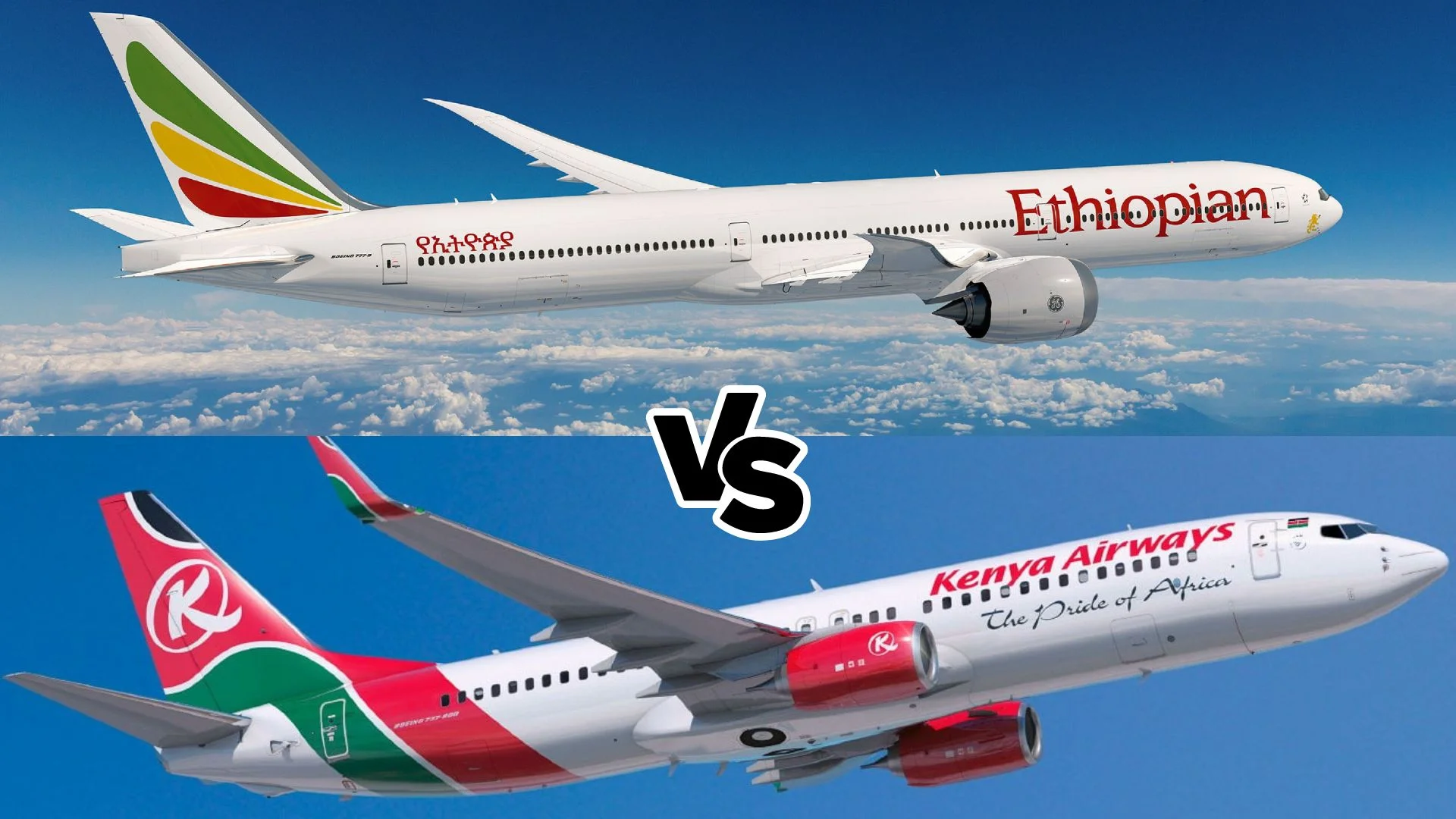

Ethiopian Airlines has beaten its revenue target for the first half of its 2025/26 fiscal year, earning $4.4 billion and showing strong growth despite global hurdles.
Africa’s top airline carried more passengers and cargo than planned during the period, offering a blueprint for rivals like Kenya Airways, which faces losses and tough competition.
Strong Results Amid Challenges
The airline announced its success on February 10, 2026, in Addis Ababa after its revenue topped the goal by 2 per cent for the July to December period.
This came even as visa bans cut passenger trips, trade wars slowed cargo, and wars in Sudan and the Democratic Republic of Congo disrupted routes and supply chains.
Ethiopian Airlines transported 10.64 million passengers, up 11 per cent from last year and moved 451,000 tons of cargo, beating its target by 4 per cent.
Group CEO Mesfin Tasew praised the team’s hard work. He noted the airline’s quick response to problems like Red Sea shipping issues, which boosted air cargo demand.
Global expansion also played a big role. The airline added flights to Porto in Portugal, Hanoi in Vietnam, and Abu Dhabi in the United Arab Emirates.
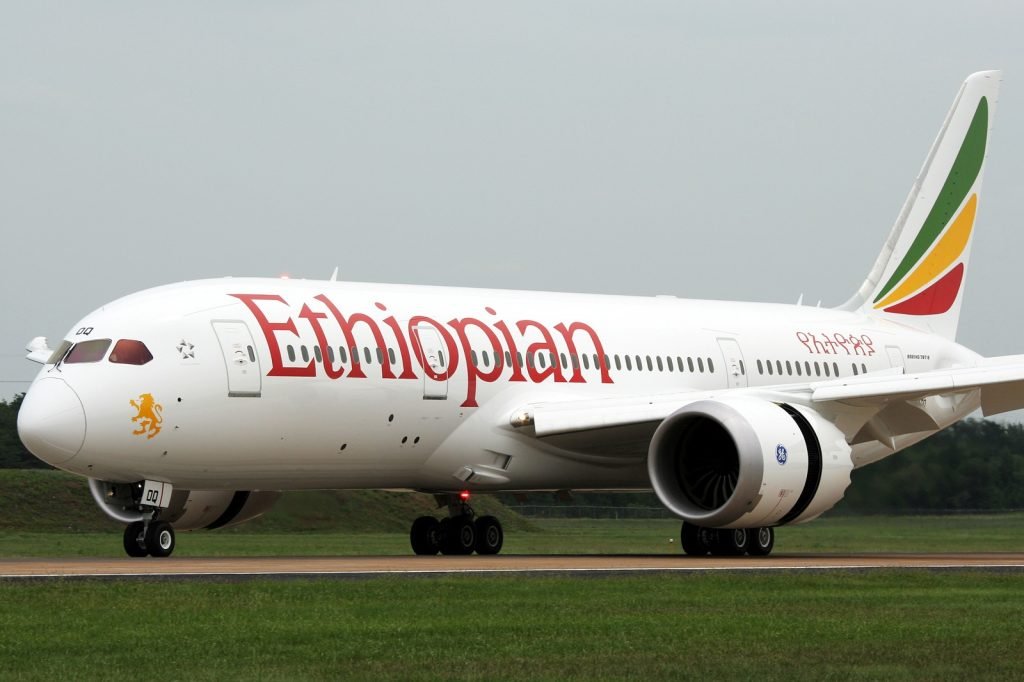
These new routes pushed its network to 145 international destinations. Ethiopian Airlines now serves over 1,000 daily flights with a modern fleet of more than 140 wide-body aircraft.
What Sets Ethiopian Airlines Apart
The airline’s edge comes from smart investments and bold moves, considering it owns 45 per cent of Africa’s fleet and leads in profitability.
The airline invests heavily in new planes like Boeing 787s and Airbus A350s, keeping costs low and service high.
It also runs profitable ventures like MRO (maintenance, repair, and overhaul) services, training academies, and hotels through its Ethiopian Airlines Group.
Unlike many rivals, Ethiopian Airlines avoids government bailouts by reinvesting profits into growth, connecting Africa to the world.
Analysts point to its hub-and-spoke model at Addis Ababa’s Bole Airport, which funnels passengers from small cities to global hubs, maximising plane loads.
Strong ties with Star Alliance partners like Lufthansa and United Airlines add feeder traffic.
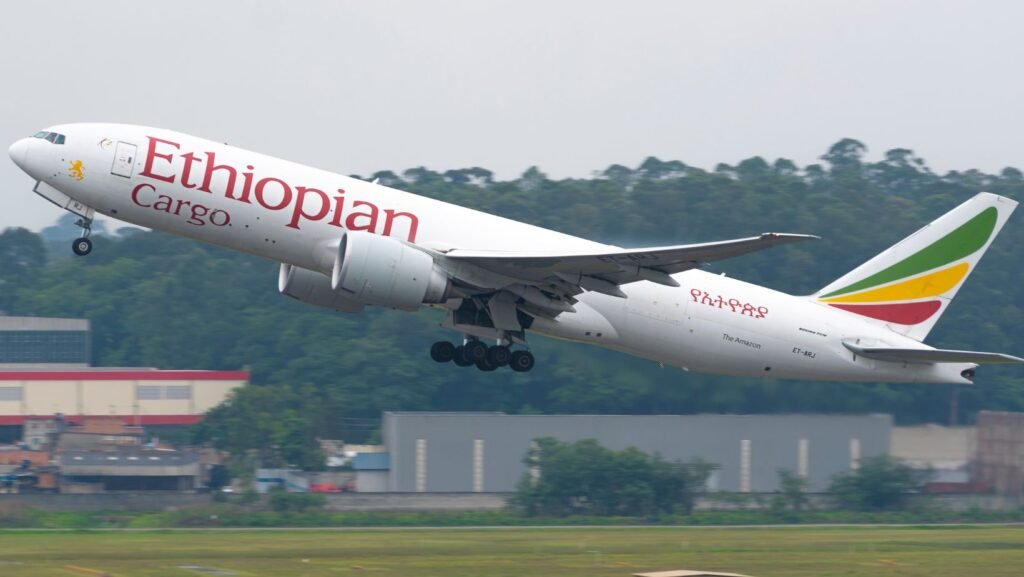
In cargo, Ethiopian Airlines shines as Africa’s largest operator. It handles pharmaceuticals, perishables, and e-commerce goods.
Recent fleet adds like Boeing 777 Freighters help it grab market share from ocean freight amid disruptions.
Kenya Airways’ Struggles in Contrast
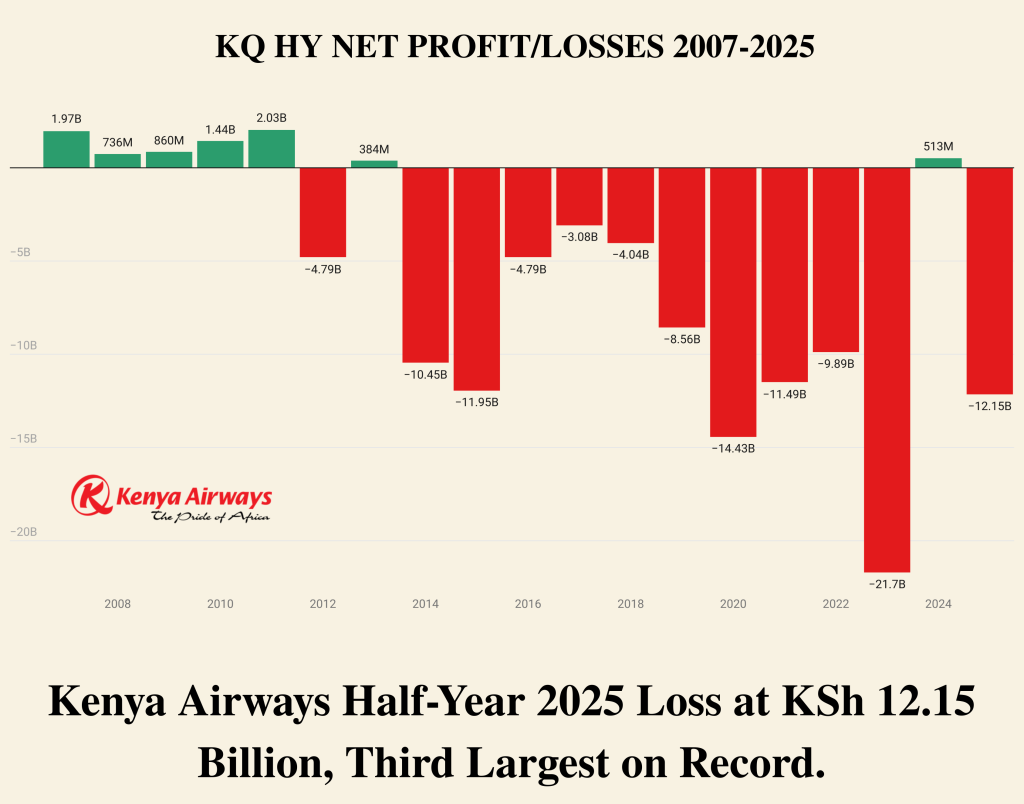
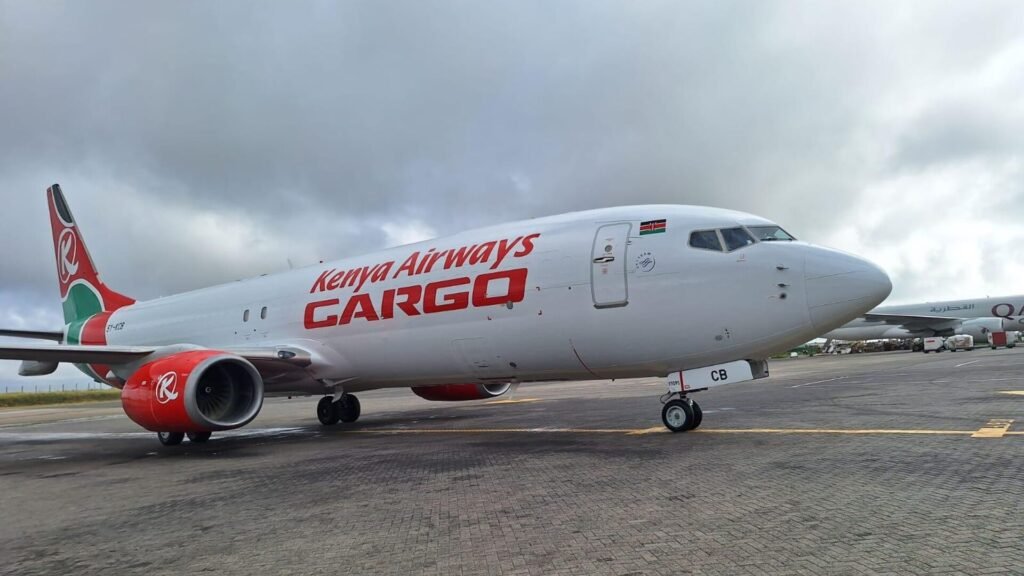
Kenya Airways (KQ) offers a stark contrast. Once a proud flag carrier, KQ has consistently posted losses, including a KSh 12.15 billion net loss for the first half of 2025.
KQ faces stiff competition from Ethiopian Airlines on key routes like Nairobi to New York and London.
Ethiopian Airlines could be having an edge because it often undercuts fares while offering newer planes, while KQ’s hub at Jomo Kenyatta International Airport (JKIA) suffers from congestion and high fees, pushing traffic to rivals.
Nonetheless, recent developments show KQ fighting back. A new cargo centre at JKIA aims to boost freight by 50 per cent while the government seeks a 49 per cent privatisation deal to cut taxpayer burden.
Yet challenges persist. threats of labour strikes are fraught, and debt servicing eats significantly into the Airline’s revenue, limiting fleet renewal—its oldest planes average 14 years old versus Ethiopian’s 6.
Lessons Kenya Can Learn
Ethiopian Airlines’ success holds clear lessons for KQ.
The first is investing in a young fleet. Ethiopian’s modern planes save 20 per cent on fuel and draw premium passengers. KQ should prioritise leasing efficient aircraft over short-term fixes.
The second is diversifying revenue. Ethiopian earns half its income from non-flying businesses like maintenance. KQ could grow its Simba Tech MRO and ground handling at JKIA.
The third is building a strong cargo arm. With global trade booming, KQ’s new facility could rival Ethiopia’s if marketed well.
The fourth is embracing partnerships. Ethiopian Airlines’ Star Alliance membership feeds traffic; KQ’s SkyTeam ties need deeper African codeshares to fight intra-continent rivals.
Finally, Kenya needs to fix its operations. Ethiopian Airlines’ employee profit-sharing boosts morale; KQ must follow suit by focusing on employee welfare and a healthy workplace environment to end squabbles and boost engagement and productivity.
Broader Impact for Africa
Ethiopian Airlines’ results are a good show for the continent.
The airline not only connects people across Africa and other regions the world over, but also supports trade, creates jobs, and boosts economic growth.
For KQ, the path forward demands tough reforms. Privatisation could bring in capital and expertise, but only if paired with Ethiopian-style ambition.
In addition, as neighbouring countries, collaboration, such as joint ventures on underserved routes, could benefit all.
Overall, this success by Ethiopian Airlines proves that resilience and strategy pay. With targeted reforms and investment, KQ may just claim similar headlines.
Read Also: Kenya Airways KSh258 Billion Sell: Reasons Behind Ruto’s Offer – Business News
Previous Post
Next Post