Now Reading: Power Shift: Kenya Apparel Supply Chain Gains Strong Advantage in Global Realignment
-
01
Power Shift: Kenya Apparel Supply Chain Gains Strong Advantage in Global Realignment
Power Shift: Kenya Apparel Supply Chain Gains Strong Advantage in Global Realignment

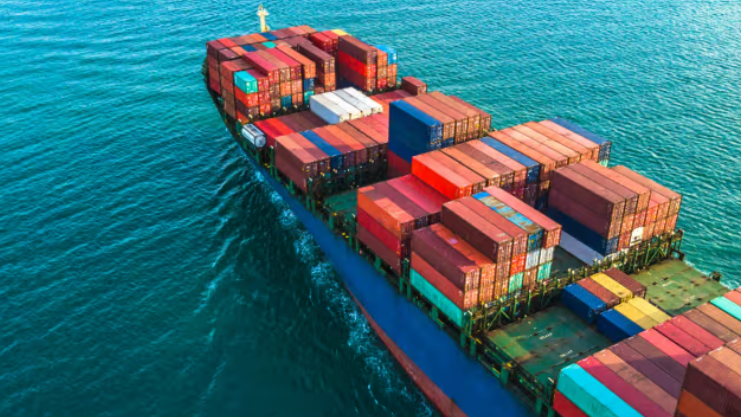

The Kenya apparel supply chain is rapidly emerging as a strategic beneficiary of a sweeping realignment in global manufacturing, as major apparel brands move to reduce overdependence on Asia and mitigate geopolitical risk. Fresh trade tensions between the United States and China, rising labor costs in traditional sourcing hubs, and supply chain disruptions exposed during the Covid-19 pandemic have accelerated diversification strategies. In that restructuring, Kenya is positioning itself as a credible alternative.
The shift is not accidental. Industry data shows Kenya’s apparel exports to the United States under the African Growth and Opportunity Act (AGOA) have steadily expanded, reinforcing its status as one of sub-Saharan Africa’s leading textile exporters.
Kenya Apparel Supply Chain Gains From Global Diversification Push
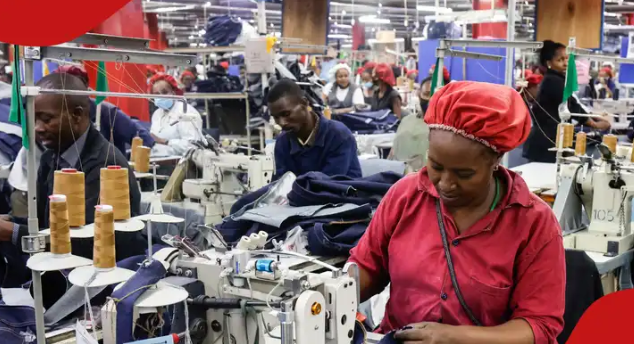
The Kenya apparel supply chain is benefiting from a broader “China+1” sourcing model, where global buyers are spreading production across multiple countries to reduce concentration risk. For years, countries such as Bangladesh and Vietnam dominated low-cost garment manufacturing. However, escalating compliance costs, wage inflation, and logistical congestion have forced brands to rethink supply routes.
Kenya’s appeal lies in several structural advantages, including duty-free access to the US market under AGOA, competitive labor costs relative to Asian peers, expanding Export Processing Zones (EPZs), and improving port and transport infrastructure. According to the Export Processing Zones Authority, apparel remains the backbone of Kenya’s EPZ exports, accounting for the majority of manufactured goods shipped to the US.
Crucially, American retailers seeking stable African supply partners are increasingly viewing Kenya as a long-term production base rather than a supplementary option. “Global brands are no longer looking at Africa as a backup. They are integrating it into core sourcing strategies,” notes a Nairobi-based trade analyst familiar with apparel export flows. “Kenya is well placed because it already has operational scale and compliance systems aligned to Western standards.”
Kenya Apparel Supply Chain Strengthened by Policy and Infrastructure Reforms
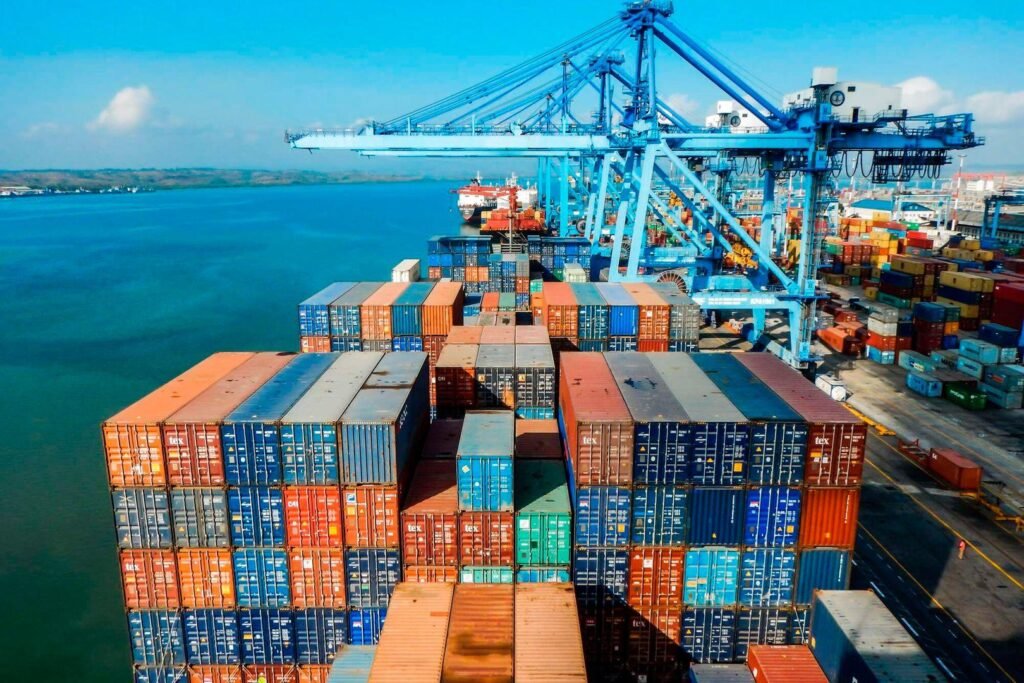
Beyond global geopolitics, domestic reforms are reinforcing the Kenya apparel supply chain’s competitiveness. Government investment in transport corridors linking Nairobi to the Port of Mombasa has reduced transit bottlenecks. Meanwhile, policy consistency around export manufacturing has provided investors with a degree of predictability that regional competitors sometimes lack.
In contrast, countries such as Ethiopia — once seen as a rising apparel giant — have faced political instability that disrupted factory operations and investor confidence. Kenya’s relatively stable political environment, established compliance frameworks, and familiarity with US buyer requirements have created a strong foundation for expansion.
You Might Also Like: Explosive Ziidi Trader Surge Powers Record-Breaking NSE Rally
Still, challenges remain. The apparel sector is highly sensitive to global demand cycles. A slowdown in Western consumer spending could temper export growth. Additionally, AGOA’s long-term future remains a strategic question for policymakers and manufacturers alike. However, industry stakeholders argue that the Kenya apparel supply chain is transitioning from dependency to resilience.
“Kenya’s next phase must focus on value addition, backward integration into textiles, and deeper regional sourcing of raw materials,” says the trade analyst. “That is what will transform it from a preferential exporter into a manufacturing powerhouse.” If executed effectively, Kenya could move beyond basic garment assembly into higher-margin production segments, strengthening its role in the evolving global apparel architecture.
As multinational buyers redraw supply maps, Kenya is no longer on the periphery. It is becoming a deliberate node in the global apparel network — and that represents a powerful shift.
Related Posts