Now Reading: Kenya Reduces IMF Dependence Through Stake Sales
-
01
Kenya Reduces IMF Dependence Through Stake Sales


Kenya has taken a bold fiscal step by avoiding new borrowing from the International Monetary Fund after raising approximately Sh588 billion through strategic stake sales. The move signals a shift in how the government is managing its financing needs amid rising debt concerns. Analysts say the decision could ease pressure on external borrowing while reshaping the country’s fiscal strategy. The IMF loans stake sales approach is now drawing attention as an alternative path to funding government operations.
IMF Loans Stake Sales Strategy Reduces Borrowing Pressure
The IMF loans stake sales strategy involves the government offloading stakes in key assets to raise capital instead of taking on additional debt.
By generating Sh588 billion through these transactions, the Treasury has been able to meet part of its financing needs without turning to new IMF loans.
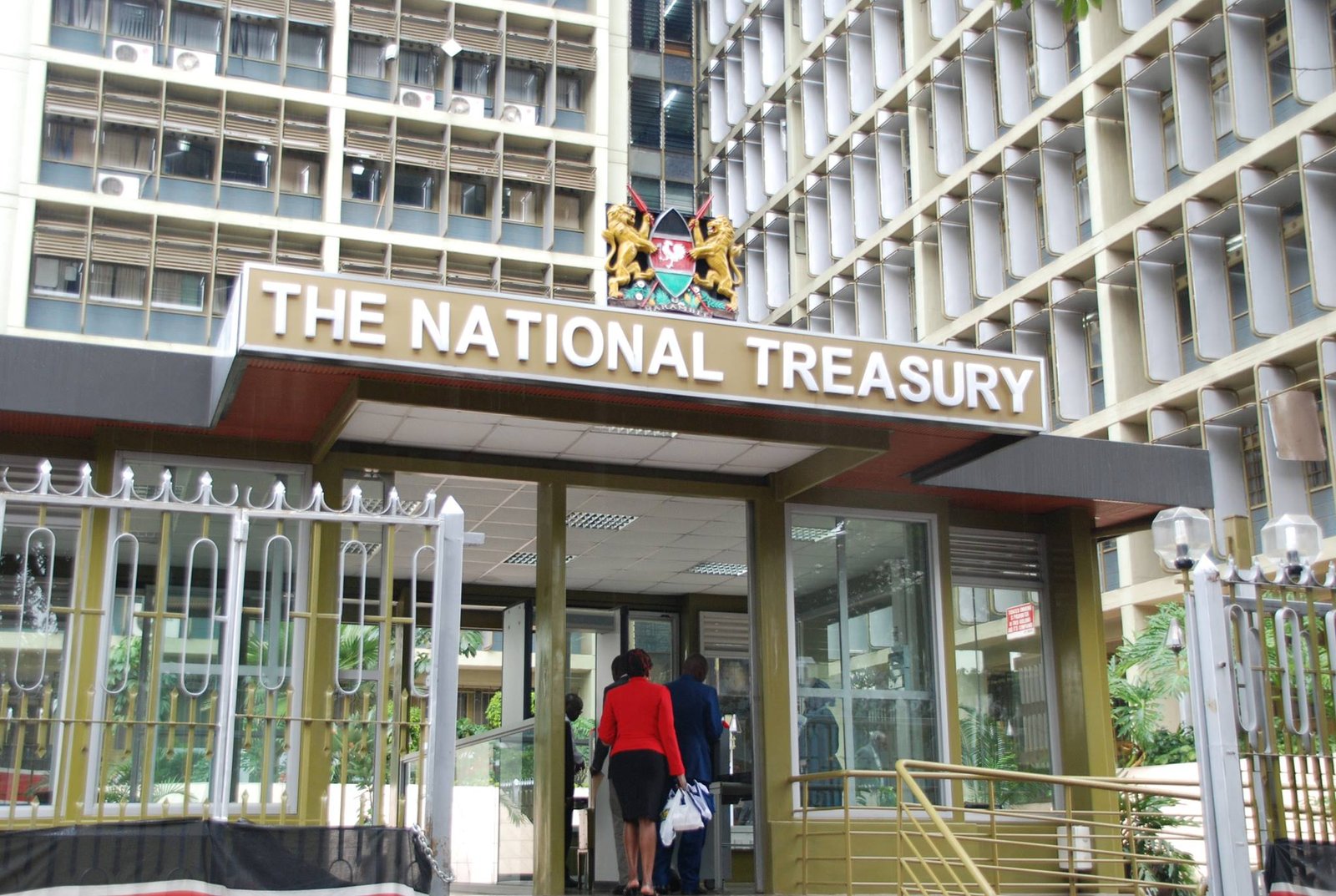
Institutions such as the National Treasury of Kenya are overseeing the implementation of this approach as part of broader fiscal reforms.
Economists say reducing reliance on external borrowing could help stabilize the country’s debt profile and limit exposure to foreign exchange risks.
The move also signals a shift toward alternative financing mechanisms, including privatization and asset monetization.
However, experts caution that selling state assets must be carefully managed to ensure long-term value and avoid undermining strategic national interests.

Fiscal Strategy Shift Raises Opportunities and Risks
The broader impact of the IMF loans stake sales plan is likely to shape fiscal policy and investor sentiment.
On one hand, reducing IMF borrowing could give the government more flexibility in setting economic policies without external conditionalities.
On the other hand, reliance on asset sales raises questions about sustainability, as such transactions are typically one-off sources of revenue.
Analysts warn that while the strategy may provide short-term relief, long-term fiscal stability will still depend on revenue growth, expenditure control and economic expansion.
Read Also: Export Crisis: Kenya’s Tea Industry Hit as Shipping Route Disruptions Threaten Billions in Revenue
“There is a need to balance immediate financing needs with long-term fiscal sustainability,” economic observers note.
Investors are closely watching how the government executes the strategy, particularly in terms of transparency and the valuation of assets being sold.
As Kenya navigates its fiscal challenges, the IMF loans stake sales approach could become a defining feature of its economic policy direction.
Previous Post
Next Post