Now Reading: Djibouti secures KSh 4.6 billion World Bank funding to tackle deepening water crisis
-
01
Djibouti secures KSh 4.6 billion World Bank funding to tackle deepening water crisis
Djibouti secures KSh 4.6 billion World Bank funding to tackle deepening water crisis

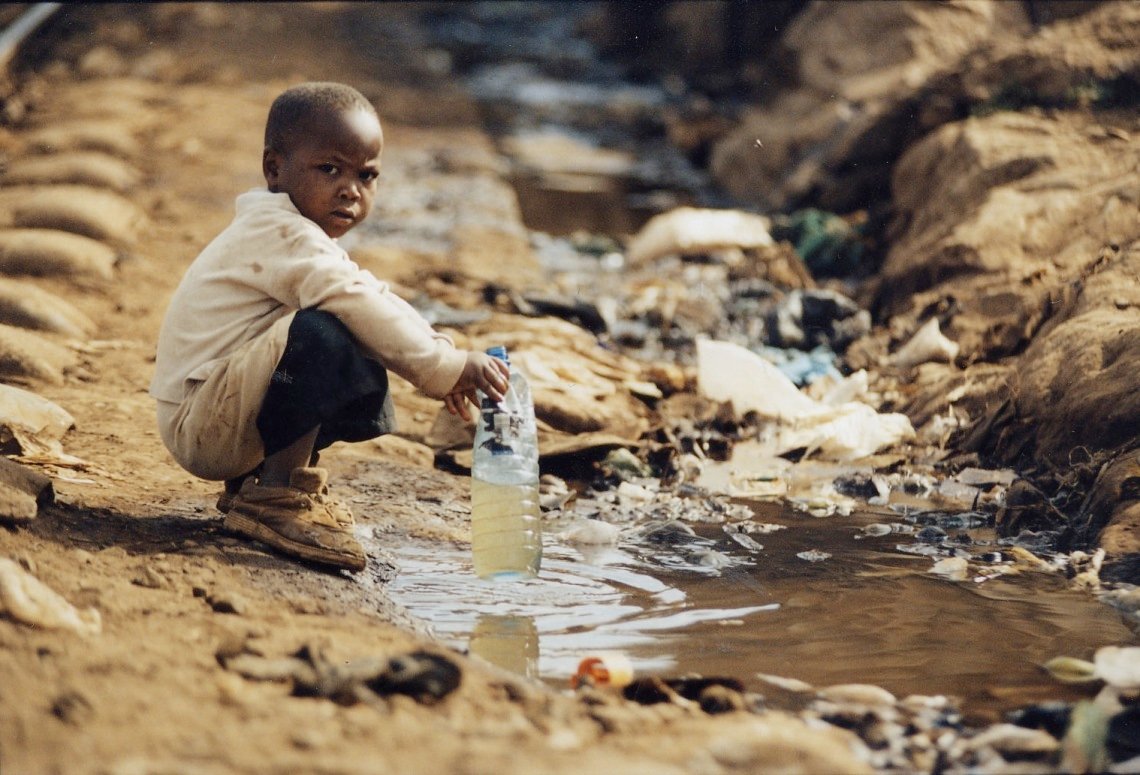

Djibouti has secured KSh 4.6 billion in fresh funding from the World Bank to expand access to water in rural areas, as climate pressures intensify across the Horn of Africa.
The financing will support efforts to address severe water shortages in one of the world’s most water-stressed countries, where supply remains limited and uneven, particularly outside urban centres.
The World Bank said the funding will be channelled into the Djibouti Groundwater Resilience and Water Supply Project, which focuses on improving access to safe and reliable drinking water.
Water Scarcity Most Severe in Rural Areas
The project is expected to provide basic drinking water services to about 127,000 people, while improving climate resilience for a further 167,000.
Access to water remains significantly lower in rural areas, where only 47 per cent of residents have basic drinking water services compared to 83 per cent in urban centres.
This gap reflects years of underinvestment in rural infrastructure, leaving communities heavily exposed to drought and water shortages.
Djibouti’s renewable water resources are estimated at just 185 cubic metres per person per year, far below the 500 cubic metre threshold that defines absolute water scarcity.
In some regions, groundwater is being depleted faster than it can naturally recharge, raising concerns about long-term sustainability.
Climate risks intensify pressure
The country’s water challenges are being worsened by climate change, with rising temperatures, erratic rainfall and increasing salinity affecting both availability and quality of water.
Across the Horn of Africa, prolonged droughts and shifting weather patterns have disrupted farming and pastoral livelihoods, deepening food and water insecurity.
Djibouti is particularly vulnerable, with drought alone capable of reducing economic output by up to 4 per cent of gross domestic product.
The broader regional crisis has pushed governments and development partners to scale up investment in water systems and climate resilience.
Strengthening systems and management
Beyond infrastructure, the project will also focus on improving how water systems are managed.
Many rural water facilities fall into disrepair due to weak maintenance systems and limited technical capacity.
The programme will introduce structured operations and maintenance frameworks, alongside training and institutional support for government agencies.
It will also establish a national groundwater information system to improve data collection and planning, linked to a regional platform coordinated by the Intergovernmental Authority on Development.
Part of blanket regional response
The initiative forms part of a wider KSh 59 billion World Bank-backed programme covering countries across the Horn of Africa, including Kenya, Ethiopia and Somalia.
The regional programme is aimed at strengthening groundwater management, improving cross-border data sharing and enhancing climate resilience.
Officials say the investment is both a humanitarian and economic priority, particularly for rural and pastoral communities that are most exposed to climate shocks.
Djibouti’s Minister of Economy and Finance, Ilyas Moussa Dawaleh, said the funding would help address a critical development challenge and improve livelihoods.
World Bank representatives said the project is expected to deliver long-term benefits by improving water access, strengthening institutions and supporting sustainable resource management.
The funding marks a significant step in efforts to address water scarcity in Djibouti, though broader challenges linked to climate change and infrastructure gaps are expected to persist.
Also Read: Congo, South Africa to revive $10 billion Inga 3 dam amid growing energy demands – Business News
Related Posts


Previous Post
Next Post