Now Reading: KRA Targets Mobile Money Transactions in Crackdown on Nil Tax Returns
-
01
KRA Targets Mobile Money Transactions in Crackdown on Nil Tax Returns

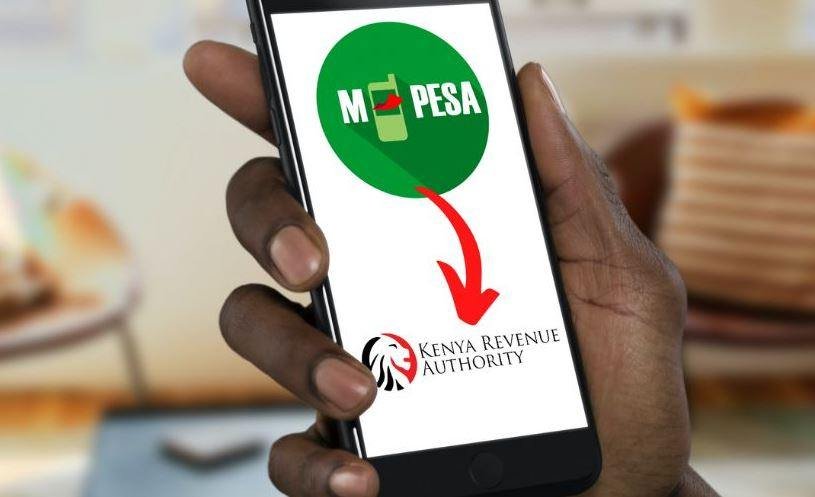

The Kenya Revenue Authority (KRA) is intensifying scrutiny of mobile money transactions as part of a new enforcement drive targeting taxpayers who file nil returns despite showing signs of financial activity.
The move signals a major shift in tax compliance strategy, with the authority leveraging digital transaction data to detect underreported income and close revenue leakages.
Speaking during a public engagement on fiscal justice, KRA Deputy Commissioner for Policy and Tax Maurice Oray said the tax authority has identified a growing trend of individuals declaring zero income while actively transacting through mobile money platforms.
“As you file nil returns, KRA has information and details about your financial activities. We are not stopping you from filing nil returns, but we will inform you of transactions you made, especially through mobile money,” Oray said.
Under the new approach, KRA will increasingly use financial data already available within its systems to cross-check taxpayer declarations. This includes mobile money transactions, which have become a dominant channel for payments, business activity, and income flows across Kenya.
The crackdown introduces a system of pre-filled tax returns, where known income streams will be automatically populated in a taxpayer’s filing profile.
Taxpayers will then be required to either confirm the accuracy of the information or provide justification if they dispute the figures.
“If you agree with the pre-filled data, the process moves forward seamlessly. But if you say no, you must justify the discrepancy,” Oray explained.
The shift is expected to significantly tighten compliance, particularly among informal sector participants and individuals who rely heavily on mobile money for business transactions but have historically remained outside the tax net.
KRA officials say the move is part of broader reforms aimed at simplifying tax filing while improving accountability and reducing tax evasion.
By integrating transaction data into the tax system, the authority hopes to create a more transparent and data-driven compliance framework.
The development comes amid growing pressure on the government to increase domestic revenue collection in the face of rising fiscal demands and constrained borrowing space.
Tax authorities have increasingly turned to digital systems to enhance enforcement, reflecting the rapid growth of mobile financial services in Kenya, where platforms such as M-Pesa handle billions of shillings in transactions daily.
However, the move has also raised concerns around privacy and the extent of data access by tax authorities.
Analysts note that while the use of financial data can improve compliance, it will require clear safeguards to ensure that taxpayer rights are protected and that the system is used transparently.
The crackdown follows earlier actions by KRA, including a temporary closure of the nil returns option as the authority worked to realign its systems and address inconsistencies in tax filings.
Officials have clarified that filing nil returns remains allowed, but taxpayers should expect greater scrutiny if their financial activity does not align with declared income.
The authority is also urging Kenyans to file their returns on time and accurately reflect their income to avoid penalties or further investigation.
Oray emphasised that the reforms are not intended to penalise honest taxpayers but to ensure fairness in the tax system.
“We are not stopping you from filing nil returns, but we will flag transactions you have made, especially via mobile money,” he reiterated.
For many taxpayers, the changes represent a shift toward a more automated and data-driven tax environment, where discrepancies between declared income and financial activity are more easily identified.
As implementation begins, the effectiveness of the new measures will depend on how well KRA balances enforcement with taxpayer education and trust.
For now, the message from the tax authority is clear: in an increasingly digital economy, financial activity leaves a trail, and that trail is now firmly within the taxman’s reach.
Read Also: KRA Proposes Sweeping VAT Changes to Bring Small Businesses into Tax Net – Business News
Related Posts


Previous Post
Next Post