Now Reading: Retail POS System Upgrade: Dual-Screen Technology Transforms Checkout Speed and Customer Experience
-
01
Retail POS System Upgrade: Dual-Screen Technology Transforms Checkout Speed and Customer Experience
Retail POS System Upgrade: Dual-Screen Technology Transforms Checkout Speed and Customer Experience

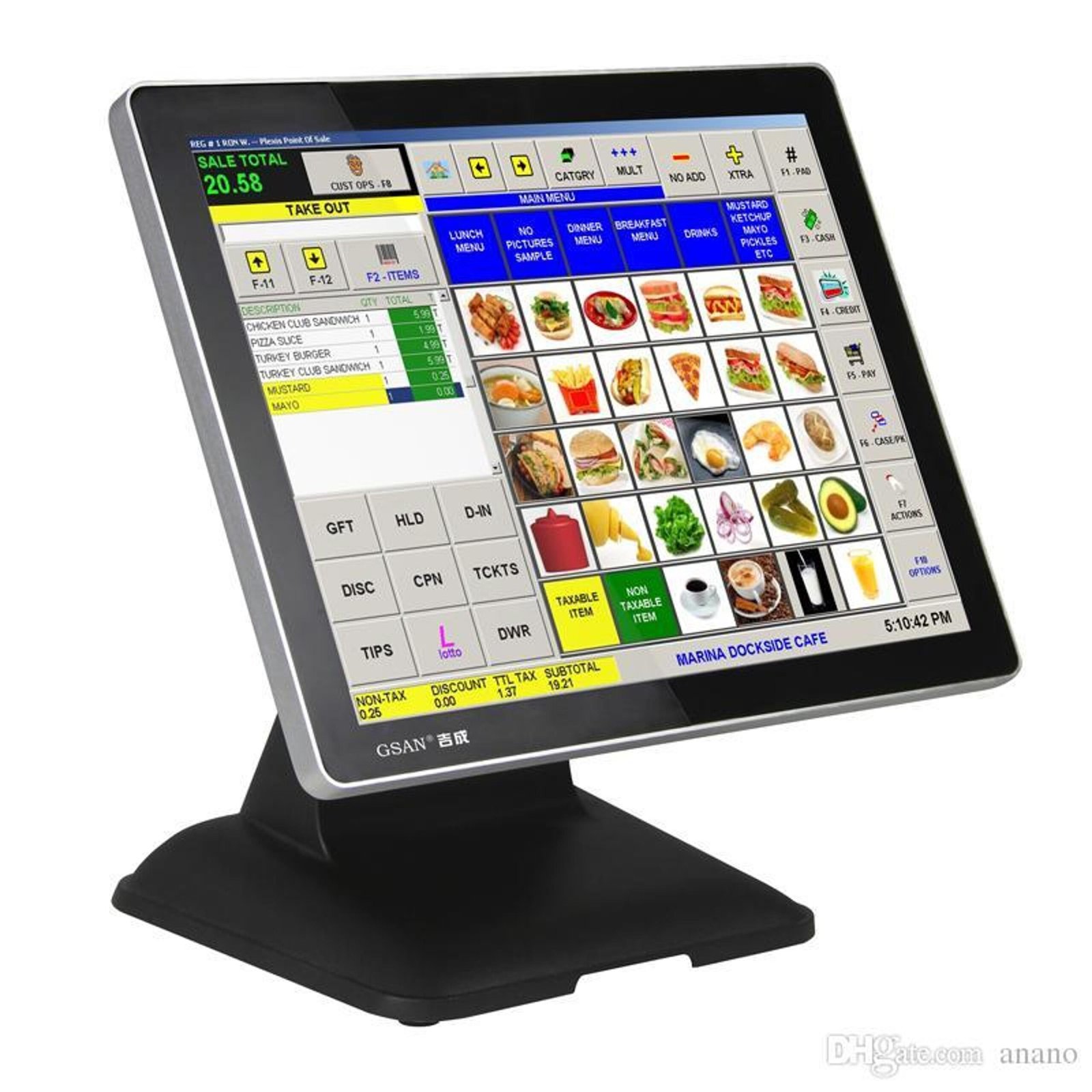
Retail POS system upgrade is becoming a critical priority for businesses navigating today’s fast-moving and highly competitive marketplace. As customer expectations evolve toward speed, convenience, and seamless experiences, traditional checkout systems are rapidly becoming obsolete. Modern retailers are now investing in advanced point-of-sale technologies that not only process transactions but also enhance customer interaction and operational intelligence. At the center of this shift is the growing adoption of dual-screen Android POS systems, such as the SP700 solution developed by Alited Technology Co., Ltd., which is redefining how businesses manage in-store operations.
This retail POS system upgrade reflects a broader digital transformation across the retail sector, where efficiency, data visibility, and user experience are becoming key differentiators. From supermarkets and shopping malls to restaurants and cafés, businesses are recognizing that the checkout point is no longer just a transaction hub—it is a critical touchpoint that can influence customer satisfaction and brand perception.

Retail POS System Upgrade Drives Efficiency and Customer Engagement
One of the most immediate benefits of a retail POS system upgrade is the significant improvement in checkout speed. In high-traffic environments, even a few seconds saved per transaction can translate into shorter queues, higher throughput, and increased revenue potential. Dual-screen POS systems enhance this process by allowing customers to view transactions in real time, improving transparency and reducing errors.
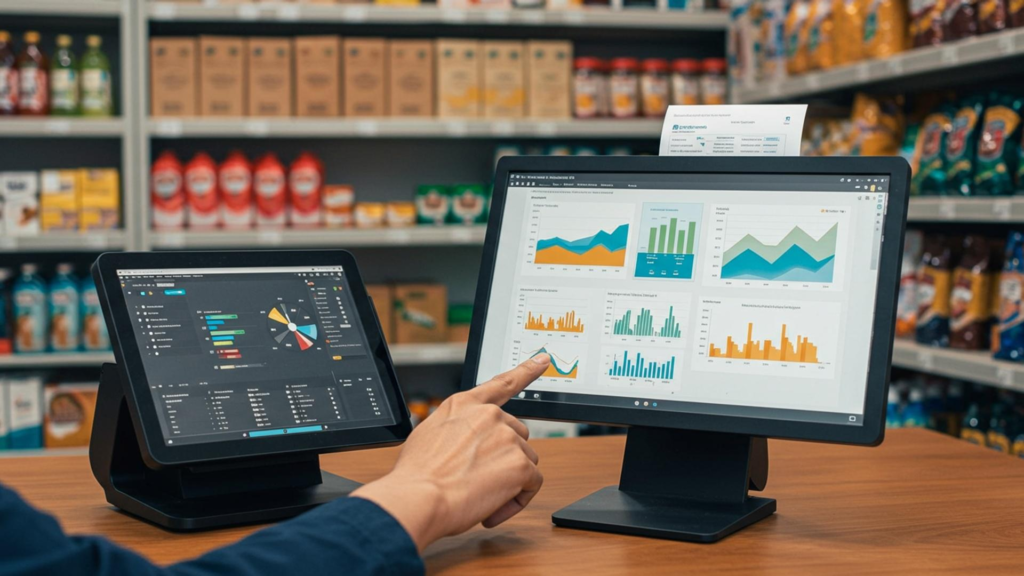
The dual-screen functionality also introduces a new layer of customer engagement. While one screen is used by the cashier, the second screen can display transaction details, promotions, or loyalty program information directly to the customer. This not only enhances trust but also creates opportunities for upselling and personalized marketing at the point of purchase.
Powered by stable Android operating systems, these next-generation POS devices offer flexibility and scalability across different business models. Retailers can integrate inventory management, sales analytics, and customer relationship tools into a single platform, enabling smarter decision-making and more efficient operations. As businesses scale, this adaptability becomes a key advantage, allowing them to respond quickly to changing market demands.
Digital Transformation and Scalability Define Retail POS System Upgrade Trends
The retail POS system upgrade is also closely tied to the broader shift toward digital-first business models. As retail operations become more complex, the need for integrated systems that can handle multiple functions—from payments to inventory to reporting—has become essential. Modern POS solutions are evolving into comprehensive business management tools, offering real-time data insights that help owners optimize performance and reduce operational inefficiencies.
For retail managers and business owners, the implications are significant. Upgrading to advanced POS systems can reduce manual processes, minimize errors, and improve overall store productivity. In industries such as hospitality and food service, where speed and accuracy are critical, these systems can directly impact customer satisfaction and repeat business.
You Might Also Like: AI-Powered Coding Boom Raises Security and Governance Concerns for Businesses
Moreover, the flexibility of Android-based POS platforms allows businesses to customize applications based on their specific needs, whether it’s managing multi-location operations or integrating with e-commerce platforms. This level of customization ensures that the retail POS system upgrade is not just a technological improvement but a strategic investment in long-term growth.
As competition intensifies across the retail landscape, businesses that embrace modern POS technology are better positioned to deliver faster service, enhance customer experiences, and drive profitability. The shift toward dual-screen, high-performance systems signals a new standard in retail operations—one where efficiency, engagement, and scalability are no longer optional, but essential for success.
Previous Post
Next Post