Now Reading: Africa Business Forum: Leaders Call For Strategic Investment to Spur Youth Employment
-
01
Africa Business Forum: Leaders Call For Strategic Investment to Spur Youth Employment
Africa Business Forum: Leaders Call For Strategic Investment to Spur Youth Employment

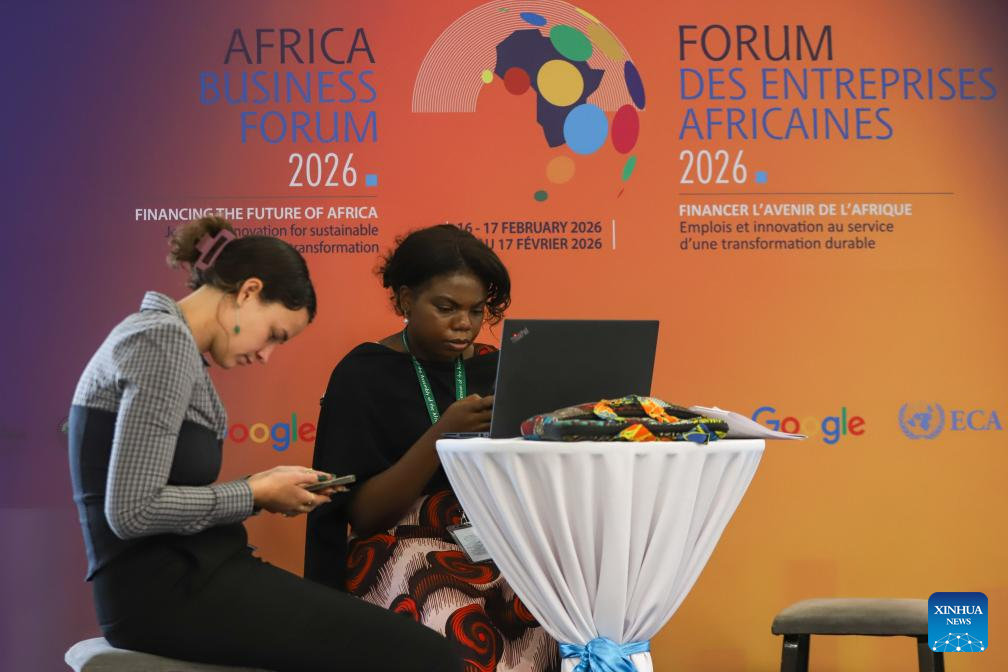

African leaders at the 9th Africa Business Forum in Addis Ababa have called on countries to invest in projects that will create mass jobs and opportunities for the continent’s booming youth population.
The two-day event on February 16-17 drew heads of state, business leaders, and investors in Ethiopia’s capital under the overarching theme of “Financing the Future of Africa: Jobs, Innovation and Creative Capital.”
Speaking at the forum, President Taye Atske Selassie of Ethiopia warned that 362 million young Africans will hit working age this decade, but current markets have the capacity to only absorb half, leaving 200 million at risk of unemployment or underemployment.
Selassie’s warning resonated throughout the forum, with speakers reiterating that unemployment and underemployment among young people threaten social stability, public trust, and long-term growth, even as Africa remains one of the world’s fastest-urbanising regions.
Socio-Economic Stakes for Africa
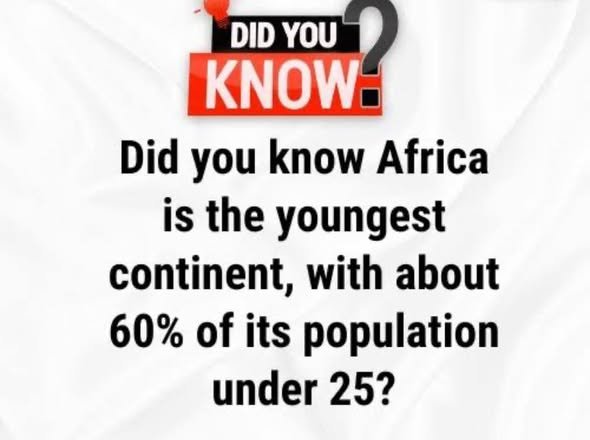
Africa is home to the world’s youngest population, with more than 70 per cent under the age of 30.
By 2030, the continent is expected to add over 90 million people to its workforce.
Yet, formal job creation has lagged far behind population growth, pushing many young Africans into informal work, underemployment, or long-term joblessness.
Leaders at the forum feared that this gap is now one of Africa’s most pressing economic and political risks.
While Africa attracts billions of dollars in development finance, much of it is embezzled or channelled into projects that are either too small, too slow, or too disconnected from labour-intensive sectors such as manufacturing, agribusiness, construction, and the green economy, resulting in growth without jobs.
Africa’s Strategic Misses
A recurring theme was that Africa’s problem is not a lack of capital, but a failure to connect capital to viable projects.
United Nations Economic Commission for Africa (UNECA) Executive Secretary, Claver Gatete, said Africa holds more than $1.1 trillion in domestic institutional capital, largely in pension funds, insurance pools, and sovereign assets, but has yet to find ways to link it to solid projects.
“The paradox is clear,” Gatete said. “Capital exists, but the mechanisms to link it to bankable projects are weak.”
At the same time, Africa continues to receive less than five per cent of global foreign direct investment, emphasising the need to tap into its homegrown resources strategically to create employment and growth opportunities.
What Now?
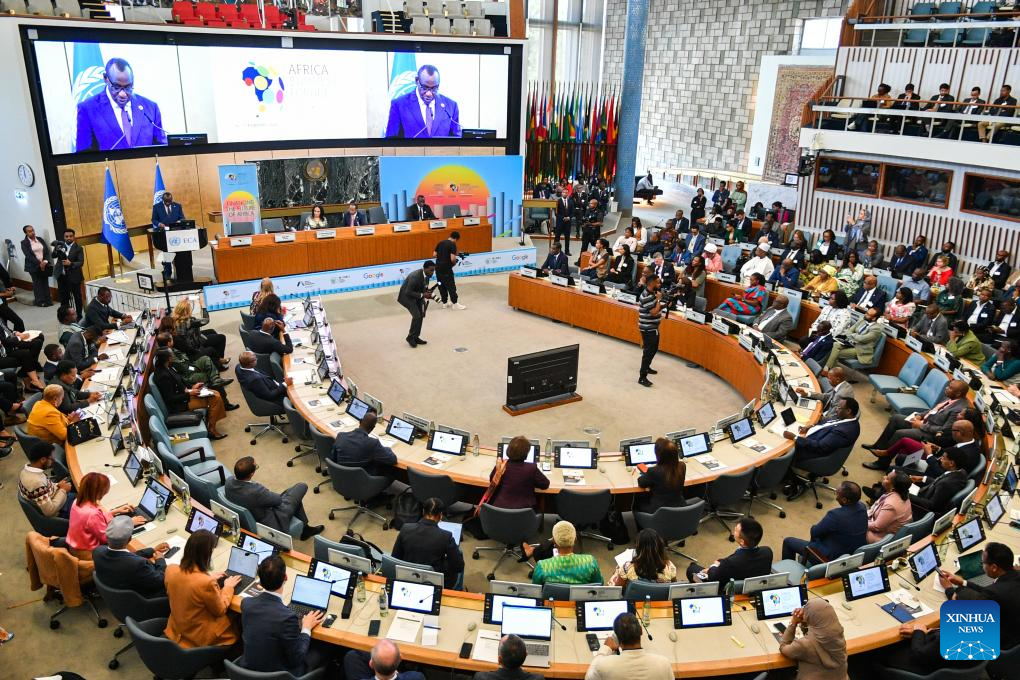
To reverse this trend, governments are urged to prioritise viable projects that directly create employment, particularly for young people.
This includes scaling up industrial parks, value-added agriculture, renewable energy manufacturing, housing construction, and digital services; sectors capable of absorbing large numbers of semi-skilled and skilled workers.
The forum also highlighted the need for deeper collaboration between governments, development banks, and the private sector.
Institutions such as the African Development Bank were cited as critical partners in de-risking projects, crowding in private capital, and ensuring that youth employment outcomes are embedded into financing frameworks.
Education and skills training also emerged as another major focus. Leaders warned that Africa’s education systems are still poorly aligned with labour market needs, leaving many young graduates unemployable despite years of schooling.

They called for stronger links between industry and training institutions, expanded apprenticeships, and targeted support for science, technology, engineering, and vocational skills.
Speakers also cautioned that without investment in broadband infrastructure, digital skills, and local innovation ecosystems, many African youth risk being excluded from the digital economy rather than empowered by it.
African governments are further encouraged to track how many jobs they create per dollar invested and publish employment impact data alongside traditional economic indicators.
The Bottomline
Persistent unemployment among young people has been linked to rising social unrest, irregular migration, and political disaffection across parts of the continent.
Investing in jobs is, therefore, an investment in peace, resilience, and long-term development.
While financing remains a major hurdle for many African governments, improving policy certainty, streamlining regulations, and accelerating the implementation of the African Continental Free Trade Area could help unlock larger, cross-border projects capable of generating employment at scale.
Overall, turning the continent’s youth bulge into an economic engine will depend on whether policymakers can align capital, skills, and markets around one overriding goal: putting young Africans to work.
Also Read: Africa Doubles Down on Foreign Oil and Gas Investments as Libya Taps Chevron and Eni – Business News

Previous Post
Next Post