Now Reading: Africa Energy Transition Fund: $200M Push Targets Renewable Breakthrough Across the Continent
-
01
Africa Energy Transition Fund: $200M Push Targets Renewable Breakthrough Across the Continent
Africa Energy Transition Fund: $200M Push Targets Renewable Breakthrough Across the Continent

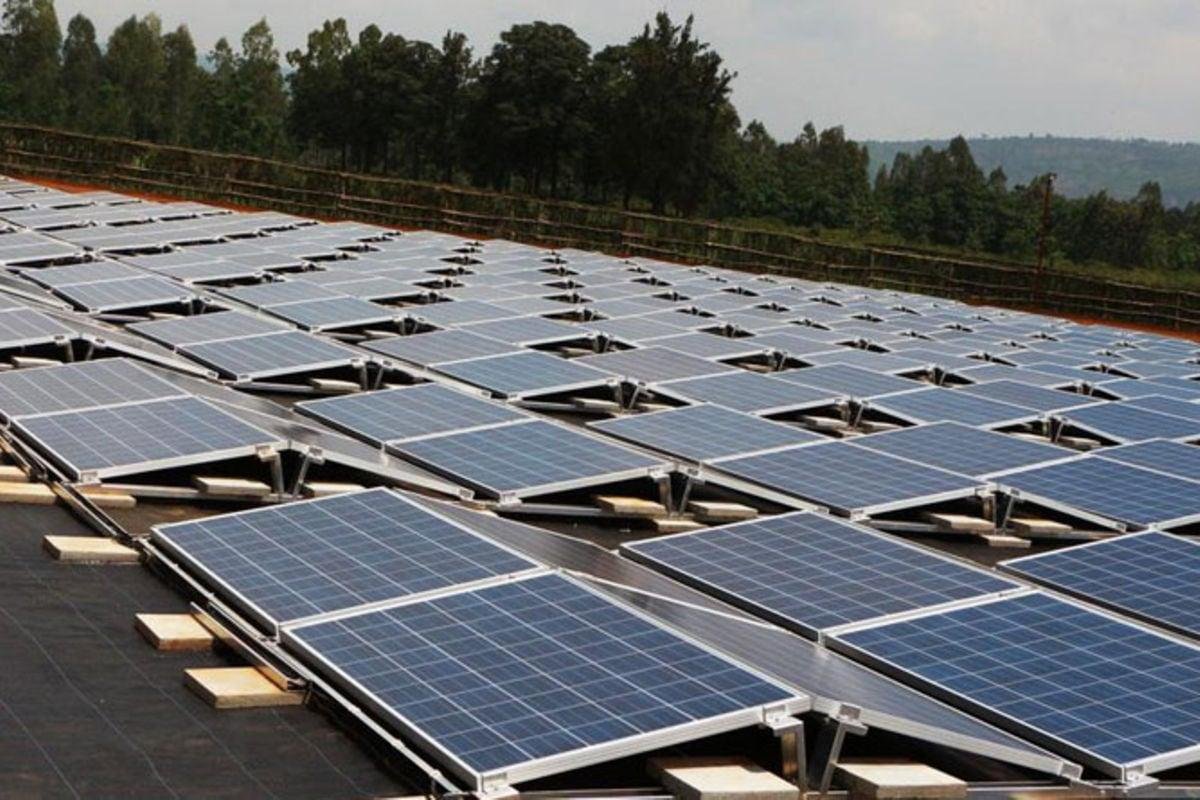

Africa energy transition fund activity is accelerating following a major $200 million initiative aimed at unlocking the continent’s clean energy potential. FSD Africa Investments (FSDAi) and Allied Climate Partners (ACP) have anchored the first close of the African Transition Acceleration Fund with a $50 million catalytic commitment, signaling growing urgency around Africa’s shift to sustainable energy systems. The move reflects a broader recognition that Africa’s energy transition cannot rely solely on traditional capital flows, especially at a time when early-stage projects struggle to attract financing. As the global climate agenda intensifies, this Africa energy transition fund could play a defining role in shaping the continent’s infrastructure future.
The fund, managed by African Infrastructure Investment Managers (AIIM), is designed to bridge one of the most persistent barriers in Africa’s clean energy ecosystem: the lack of early-stage capital. By targeting projects before they reach full bankability, the Africa energy transition fund aims to unlock a pipeline of investable opportunities that can later attract institutional and private investors at scale.
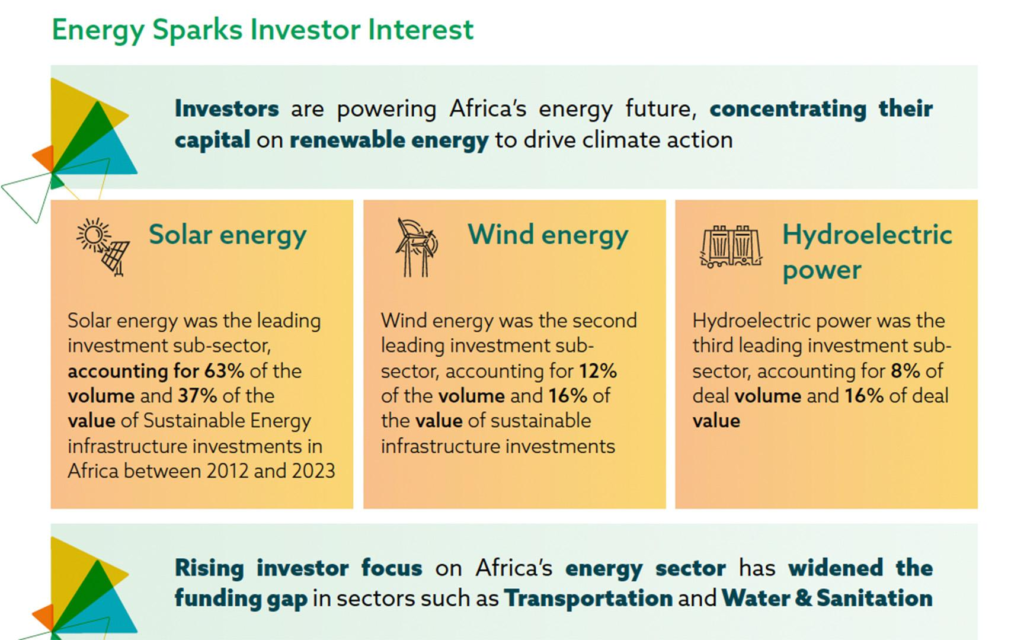
Africa Energy Transition Fund Targets Early-Stage Gap in Clean Energy Financing
At the core of the Africa energy transition fund strategy is a focus on high-impact sectors that are critical to decarbonization and economic growth. The fund will channel investments into renewable power generation, energy efficiency solutions, sustainable transport systems such as electric vehicles, and emerging clean fuels including green ammonia, biofuels, and low-carbon fertilizers. These sectors represent not only climate solutions but also significant commercial opportunities in a rapidly evolving global energy market.
What makes this Africa energy transition fund particularly significant is its emphasis on catalytic capital. By committing funding at the earliest stages of project development, FSDAi and ACP are effectively de-risking investments that would otherwise struggle to secure backing. This approach is expected to crowd in additional capital from institutional investors, development finance institutions, and private equity firms once projects reach maturity.
Market analysts note that Africa faces a multi-billion-dollar financing gap in renewable infrastructure, despite having some of the world’s most abundant solar, wind, and hydro resources. Without targeted interventions like this Africa energy transition fund, many promising projects risk remaining stalled at the concept stage. By converting early-stage ideas into bankable assets, the fund could significantly accelerate project pipelines across multiple African markets.

Catalytic Capital and Climate Urgency Drive Africa Energy Transition Fund Momentum
The launch of the Africa energy transition fund comes amid increasing pressure to align economic development with climate goals. Africa, while contributing a relatively small share of global emissions, is among the most vulnerable regions to climate change impacts. This has intensified calls for innovative financing mechanisms that can deliver both sustainability and growth.
Anne-Marie Chidzero, Chief Investment Officer at FSDAi, emphasized that Africa’s transition cannot wait for conventional investors to lead, underscoring the need for proactive, risk-tolerant capital. This perspective reflects a broader shift in climate finance, where blended finance models are increasingly being used to unlock investment in emerging markets.
You Might Also Like: Kenya and Ethiopia Lead Africa’s $20 Billion Foreign Investment Surge
Beyond environmental impact, the Africa energy transition fund is expected to generate tangible economic benefits. By supporting infrastructure development, the initiative could create jobs, stimulate industrial growth, and enhance energy access across the continent. For countries seeking to balance development priorities with sustainability commitments, such investments offer a pathway to achieve both.
The fund also aligns with global investor trends favoring ESG-driven assets, as institutional capital increasingly flows toward sustainable infrastructure. As more projects reach bankability through this Africa energy transition fund, Africa could position itself as a key destination for climate-aligned investment capital.
Ultimately, the success of the Africa energy transition fund will depend on execution—how effectively it can identify viable projects, manage risk, and attract follow-on funding. However, its launch marks a critical step toward closing Africa’s clean energy financing gap and accelerating the continent’s transition to a low-carbon economy.

Previous Post
Next Post