Now Reading: Africa Value Addition Investment Gains Momentum with $30M Pipeline
-
01
Africa Value Addition Investment Gains Momentum with $30M Pipeline
Africa Value Addition Investment Gains Momentum with $30M Pipeline



Africa’s economic reality is facing a bold and necessary disruption, as the push for value addition investment challenges a long-standing system that has limited the continent’s growth potential. For decades, African economies have exported raw materials at low value while importing finished goods at significantly higher prices, creating a cycle that weakens industries, strains currencies, and limits job creation. This imbalance is now being directly confronted by investors and operators who are shifting focus toward local production and value capture. The emergence of new investment models signals a deeper transformation—one that prioritizes ownership, industrialization, and long-term economic resilience. As capital begins to align with these goals, Africa’s growth story is entering a decisive new phase.
Africa Value Addition Investment Targets Structural Economic Shift
At the core of the Africa value addition investment movement is a fundamental rethink of how the continent participates in global trade. Rather than continuing as a supplier of raw commodities, the focus is shifting toward building industries that process, manufacture, and add value locally. This transition is not just economic—it is strategic, addressing systemic challenges that have persisted for decades.
AfriKey is among the players driving this shift through direct execution on the ground. The firm has already engaged businesses across countries including Ghana, Nigeria, Rwanda, Ethiopia, and Kenya, with plans to expand further. This multi-country approach reflects a key reality: Africa is not a single market but a collection of diverse economies, each requiring tailored investment strategies.
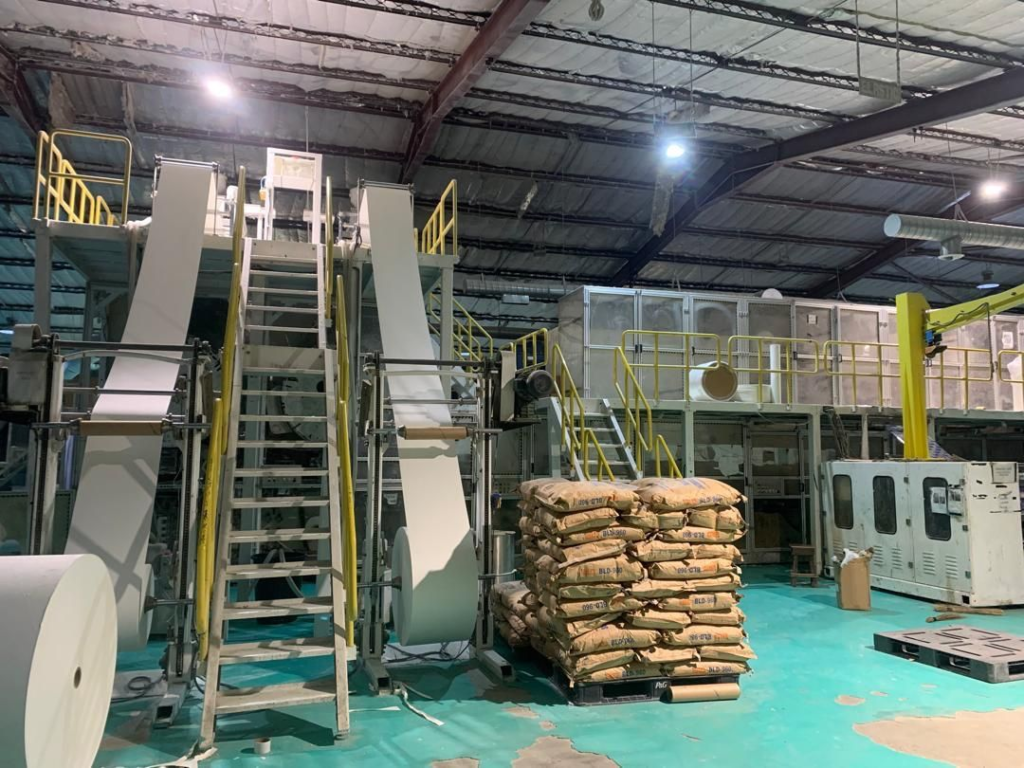
The early traction is already visible. With more than $30 million in letters of intent generated across its pipeline, the model is demonstrating that there is strong demand for investments focused on local production and value creation. The first active project in Ethiopia underscores the practical shift from theory to execution, particularly in sectors where local manufacturing can replace imports.
The concept behind value addition investment is straightforward but powerful. By producing goods locally, economies retain more value, strengthen domestic industries, and reduce reliance on volatile global supply chains. Over time, this approach can create more stable economic systems and unlock new growth pathways.
Africa Value Addition Investment Signals Rise of Aligned Capital and Ownership
A defining feature of the Africa value addition investment movement is the emphasis on what industry players describe as “aligned capital.” Unlike traditional funding models that often come with restrictive conditions or external control, this approach prioritizes long-term value, local ownership, and strategic alignment with the continent’s needs.
According to investment practitioners, the challenge in Africa has not been a lack of capital but a mismatch between capital structures and local realities. As one operator noted:
“Africa doesn’t lack capital—it lacks capital that is structured for its success.”
This shift is increasingly being driven by diaspora investors and global partners who understand the importance of building sustainable businesses rather than extracting short-term gains. AfriKey, operating with connections in the United Kingdom and the United States, exemplifies this model by linking international capital with on-the-ground execution.
Also Read: Cruise Tourism Surge: Kenya Offers Discounts to Attract Park Visits
The broader implications of value addition investment in Africa are significant. For investors, it opens up opportunities in manufacturing, agribusiness, infrastructure, and real assets—sectors that are critical to long-term development. For governments, it provides a pathway to reduce import dependency and strengthen local economies. For entrepreneurs, it creates an environment where building scalable, competitive businesses becomes more viable.
However, success will depend on execution. Building industries requires more than capital—it demands strong partnerships, operational expertise, and deep market understanding. The emphasis is increasingly shifting toward practical engagement, with investors prioritizing direct interaction, deal structuring, and real asset deployment.
Ultimately, the rise of value addition investment in Africa reflects a broader transformation in how the continent approaches growth. It signals a move away from dependency toward self-determined economic development, where value is created, retained, and scaled locally.
Previous Post
Next Post