Now Reading: AGOA Masks Deeper Trade Uncertainty for Kenya and Africa
-
01
AGOA Masks Deeper Trade Uncertainty for Kenya and Africa

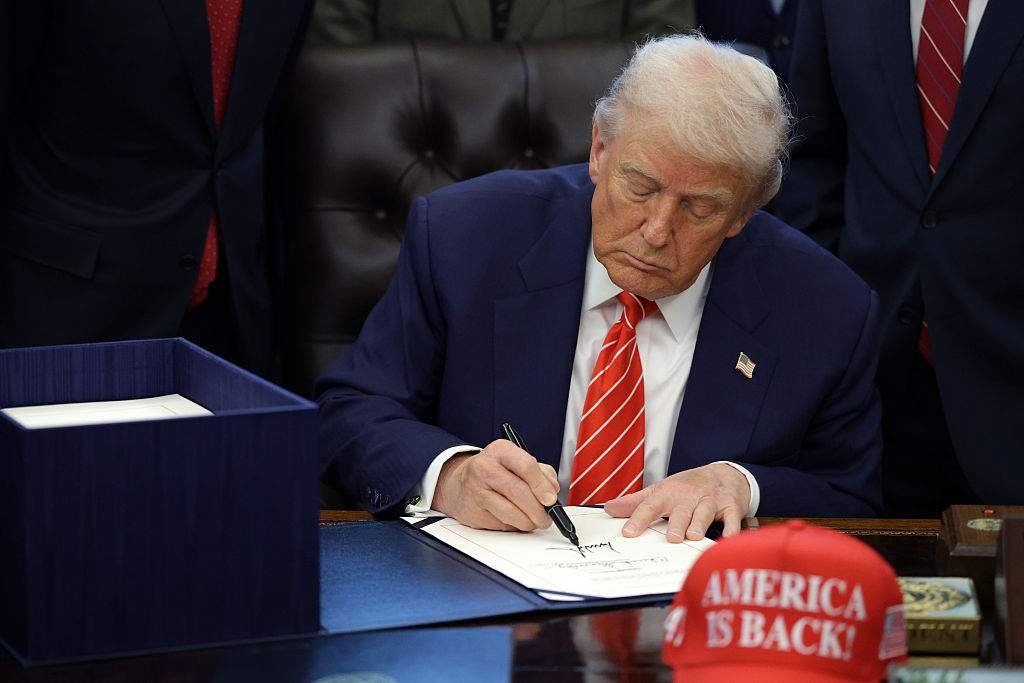

Kenya and other African economies have won short-term relief after U.S. President Donald Trump signed a one-year extension of the African Growth and Opportunity Act (AGOA), but the narrow window intensifies pressure on the continent to rethink its long-term trade strategy.
The extension runs to December 31, 2026, with retroactive effect from September 30, 2025, preventing a lapse in duty-free access for eligible African exporters.
AGOA allows qualifying African countries to export more than 1,800 products duty-free to the United States, in addition to over 5,000 items covered under the Generalised System of Preferences.
Since its launch in 2000, the programme has been a cornerstone of export-led industrialisation in countries such as Kenya, South Africa, Ethiopia, and Lesotho.
AGOA extension a Relief for Jobs in Kenya
In Kenya, where AGOA underpins thousands of jobs in textiles, apparel, and agribusiness, the immediate concern has been jobs.
For instance, the apparel and textile sector, concentrated in Export Processing Zones (EPZs) such as Athi River and Mombasa, employs more than 60,000 workers directly, mostly women.

According to the Kenya Private Sector Alliance (KEPSA) the extension “provides the immediate certainty required to maintain investor confidence and protect existing jobs.”
KEPSA notes that exporters had delayed contracts and investment decisions while Washington debated AGOA’s future.
Kenya Association of Manufacturers (KAM) echoed the sentiment, warning that a lapse would have triggered factory closures, layoffs, and loss of foreign exchange.
The impact would have been significant, considering that Apparel accounts for over 70% of Kenya’s exports to the U.S., making AGOA a single point of opportunity and vulnerability for the economy.
However, the one-year horizon may complicate planning, taking into account the fact that apparel buyers typically sign long-term contracts, oftentimes years ahead.
As such, while this extension keeps the lights on, it does not allow businesses to invest in the American Market in the long-term with certainty.
America now Demands More from Africa
Washington has made it clear that the extension is not a blank cheque.
U.S. Trade Representative Jamieson Greer said the pause is meant to allow time to “modernise” AGOA in line with President Trump’s America First trade policy, which prioritises reciprocity, country-by-country negotiations, and greater market access for U.S. firms.
“AGOA for the 21st century must demand more from our trading partners and yield more market access for U.S. businesses, farmers, and ranchers,” Greer said.
That signals a tougher environment for African exporters as countries must meet strict eligibility conditions, including market-based reforms and reduced barriers to U.S. trade or risk being struck out through annual reviews.
Some analysts warn that AGOA is increasingly being used as leverage by the U.S. rather than as a development tool.
Africa’s Strategic Dilemma
Across the continent, the extension has reignited debate over Africa’s dependence on preferential access to Western markets. While AGOA has boosted exports, critics argue it has locked countries into low-value manufacturing and left them exposed to political shifts in Washington.
South Africa’s experience bespeaks the risk. Despite remaining in AGOA, its exports face steep U.S. tariffs under Trump’s “Liberation Day” measures, diluting the programme’s benefits and exposing how quickly preferences can be undermined.
Citing this, volatility, some economists opine that AGOA is no longer a stable foundation for long-term growth.
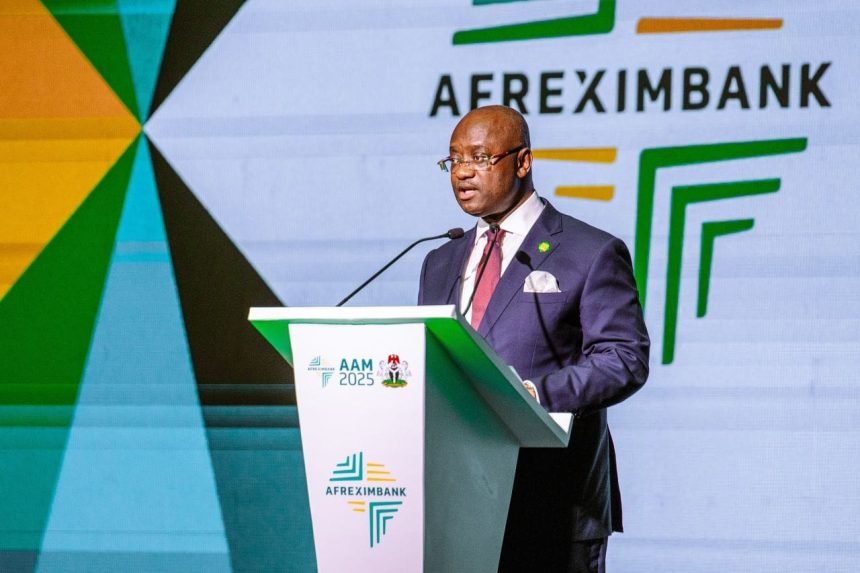
“The fate of African economies can no longer be tied to the benevolence of others,” said Afreximbank President George Elombi in response to the extension and growing uncertainty.
Elombi urges faster implementation of the African Continental Free Trade Area (AfCFTA) as an alternative and bargaining chip with regional and global partners.
Kenya Looks Beyond AGOA
For Kenya, the extension sharpens the case for diversification. Nairobi is actively exploring trade agreements with China, increasing its access to Gulf markets, and pushing for deeper regional integration under AfCFTA.
Trade officials argue that Kenya must use the AGOA reprieve to move up the value chain, exporting finished goods, not just garments, and to negotiate more durable trade frameworks, including a possible bilateral deal with the United States.
Trade Cabinet Secretary Lee Kinyanjui emphasised as much, stating that the extension validates Kenya’s position as a reliable trade partner.
“The uncertainty that engulfed the sector is gone. We can now focus on expansion,” he said.
As the clock ticks toward 2026, Kenya and Africa face a defining choice: continue relying on temporary trade preferences, or build resilient export strategies that can survive a changing global order.
Read Also: Kenya’s Duty-Free China Deal To Reshape Exports in 30 Days – Business News
Previous Post
Next Post