Now Reading: Bitcoin ATMs in Kenya Boosting Crypto Access
-
01
Bitcoin ATMs in Kenya Boosting Crypto Access

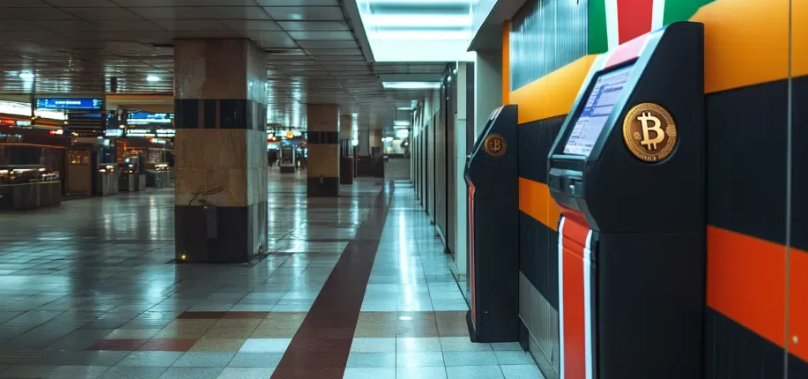

The quiet appearance of Bitcoin ATMs in Kenya inside major shopping malls is triggering concern among regulators, even as it excites cryptocurrency enthusiasts. From Nairobi’s commercial hubs to high-traffic retail centers, the machines allow users to buy or sell Bitcoin using cash or mobile money, signaling a growing appetite for digital assets. However, regulators warn that the rollout is moving faster than the law, exposing consumers and the financial system to new risks.
Why Bitcoin ATMs in Kenya are spreading fast
The rise of Bitcoin ATMs in Kenya reflects the country’s long-standing reputation as a fintech innovation hub. With mobile money deeply embedded in everyday transactions, physical crypto kiosks are being positioned as a bridge between traditional finance and decentralized digital assets. For users unfamiliar with online exchanges or wary of complex apps, ATMs offer a simple, face-to-face entry point into cryptocurrency markets.
Industry players argue that this physical presence demystifies crypto, making it accessible to everyday consumers. By allowing small, cash-based transactions, Bitcoin ATMs lower the perceived barrier to entry and could accelerate adoption, particularly among young, tech-savvy Kenyans. Supporters also point to potential spillover benefits, including new fintech jobs, increased investment, and the growth of ancillary services such as compliance, cybersecurity, and payments infrastructure.

Regulatory gaps and consumer risks
Despite the enthusiasm, regulators are sounding the alarm. The Central Bank of Kenya (CBK) has reiterated that cryptocurrencies are not legal tender and remain largely unregulated financial instruments. While Kenya passed new digital assets-related legislation earlier this year to create a framework for innovation, the emergence of Bitcoin ATMs has highlighted gaps between policy intent and on-the-ground enforcement.
According to regulators, many ATM operators are not licensed and are operating in a legal grey area. Authorities insist that any provider offering crypto services — especially physical infrastructure in public spaces — must first comply with licensing, anti-money laundering (AML), and consumer protection requirements. Without this oversight, regulators fear the machines could undermine financial integrity and erode trust in the broader financial system.
Read Also: Rise in Device Security Risks as Smart TVs and Set-Top Boxes Targeted
A major concern surrounding Bitcoin ATMs in Kenya is their potential use in financial crime. If identity checks and transaction monitoring are weak, the machines could be exploited for money laundering, fraud, or illicit cross-border transfers. This risk is particularly sensitive in a country that already plays a central role in regional remittances and mobile-money flows.
Consumer advocates are also worried. Bitcoin ATMs often charge higher transaction fees than online exchanges, and users may not fully understand pricing, volatility, or custody risks. In malls and public spaces, unsuspecting consumers could be drawn in by convenience without clear disclosures about fees or the sharp price swings common in crypto markets. In the absence of strong consumer safeguards, losses from scams or market volatility could damage confidence in both crypto and fintech innovation more broadly.
The debate over Bitcoin ATMs in Kenya underscores a familiar policy challenge: how to encourage innovation while protecting consumers and financial stability. Kenya’s government has acknowledged the growing role of digital assets in the global economy, but regulators are pushing for a more cautious, phased approach. Clear licensing rules, mandatory know-your-customer checks, and transparent fee disclosures are likely to be central to any future framework governing crypto ATMs.
For now, the machines stand as a symbol of both promise and peril. If properly regulated, Bitcoin ATMs could complement Kenya’s digital-finance ecosystem and expand access to new financial tools. If left unchecked, they risk becoming a loophole that exposes users and the economy to unnecessary harm.

Previous Post
Next Post