Now Reading: BYD EV Battery Breakthrough: Ultra-Fast Charging Technology Could Redefine Global Mobility
-
01
BYD EV Battery Breakthrough: Ultra-Fast Charging Technology Could Redefine Global Mobility
BYD EV Battery Breakthrough: Ultra-Fast Charging Technology Could Redefine Global Mobility

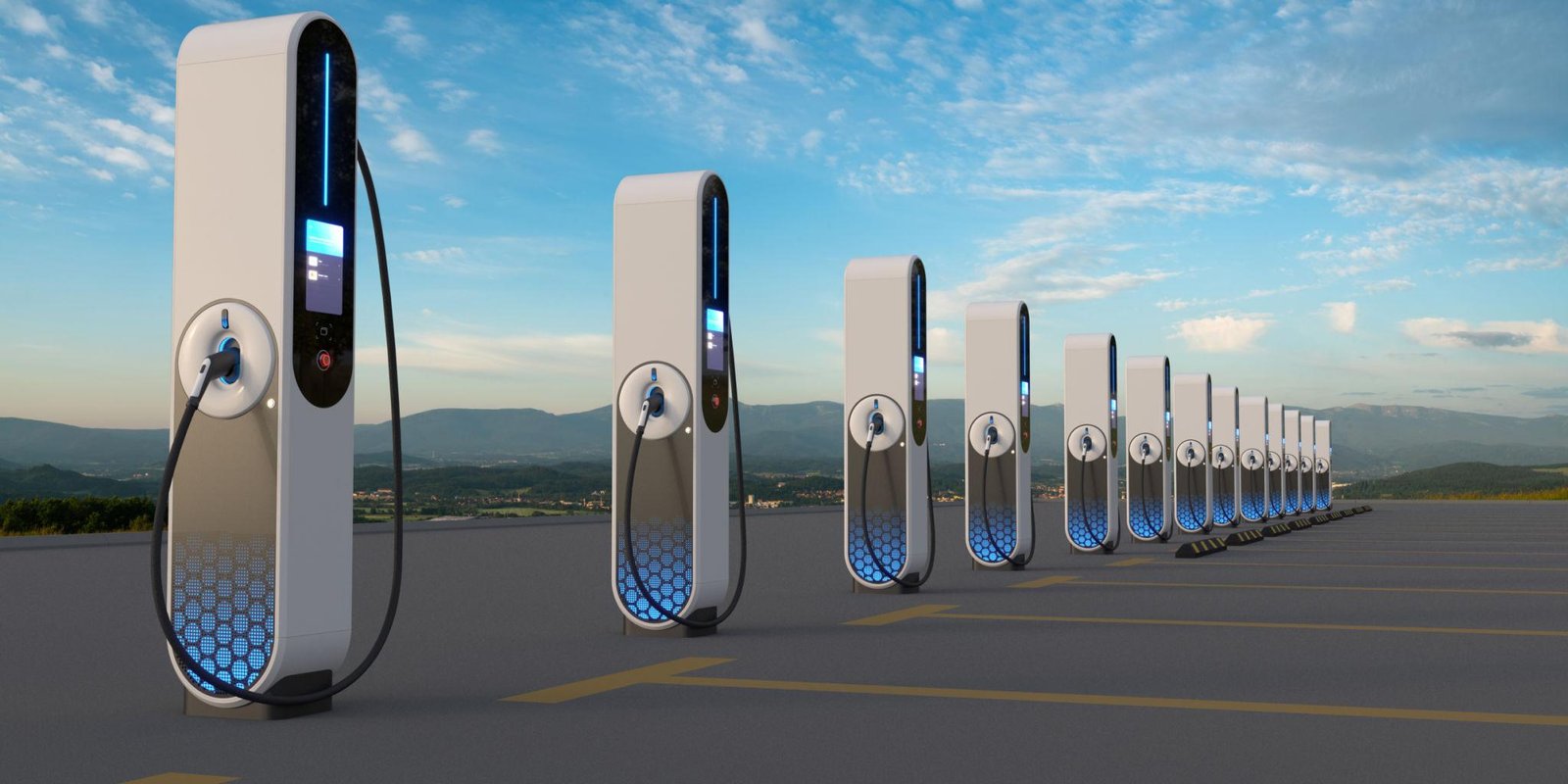

BYD EV battery breakthrough is signaling a pivotal shift in the future of transportation, as the Chinese automaker unveils next-generation technology capable of charging electric vehicles at unprecedented speeds. BYD has introduced a battery innovation that could dramatically reduce charging times—potentially rivaling or even surpassing the speed of refueling a traditional petrol vehicle. This development addresses one of the most persistent barriers to electric vehicle adoption: long charging durations. As the global automotive industry intensifies its transition toward electrification, the BYD EV battery breakthrough could become a defining moment in the race to dominate next-generation mobility.
For years, consumer hesitation around electric vehicles has centered on “range anxiety” and the inconvenience of charging infrastructure. Even as EV adoption grows globally, charging time has remained a critical friction point. The BYD EV battery breakthrough directly targets this issue, offering a solution that could eliminate one of the last major advantages held by internal combustion engine vehicles. If widely deployed, this technology could significantly accelerate the shift toward electric mobility across both developed and emerging markets.
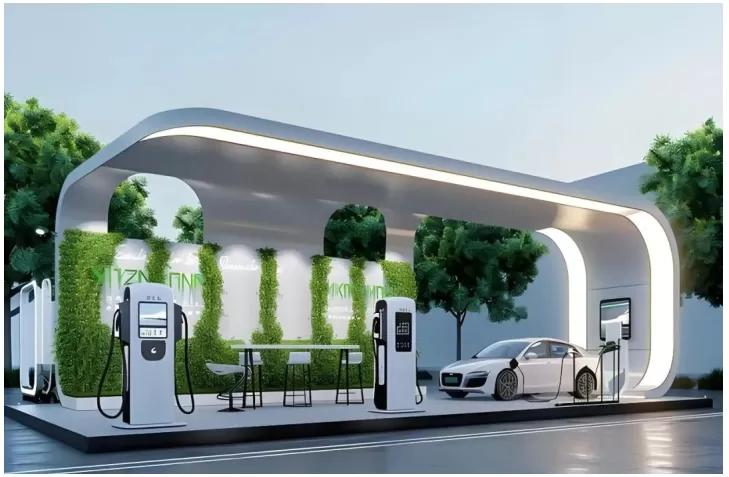
BYD EV Battery Breakthrough Targets Charging Time Barrier in Global EV Market
At the core of the BYD EV battery breakthrough is the promise of ultra-fast charging, potentially enabling drivers to recharge their vehicles in just minutes rather than hours. This represents a major leap forward in battery performance, combining improvements in energy density, thermal management, and charging efficiency. While specific technical details continue to emerge, the implication is clear: EVs are moving closer to parity with traditional vehicles in terms of convenience.
This advancement comes at a time when global competition in the EV sector is intensifying. Automakers are no longer competing solely on vehicle design or price but increasingly on battery innovation. Charging speed, efficiency, and lifecycle durability are becoming the new battlegrounds. Companies that can deliver faster, safer, and more reliable charging solutions are likely to gain a decisive edge in market share.
The BYD EV battery breakthrough also has broader implications for infrastructure development. Faster charging reduces pressure on charging networks by decreasing dwell time at stations, allowing more vehicles to be served with existing infrastructure. This could accelerate EV adoption in regions where charging availability remains limited, particularly across parts of Africa and other emerging markets.
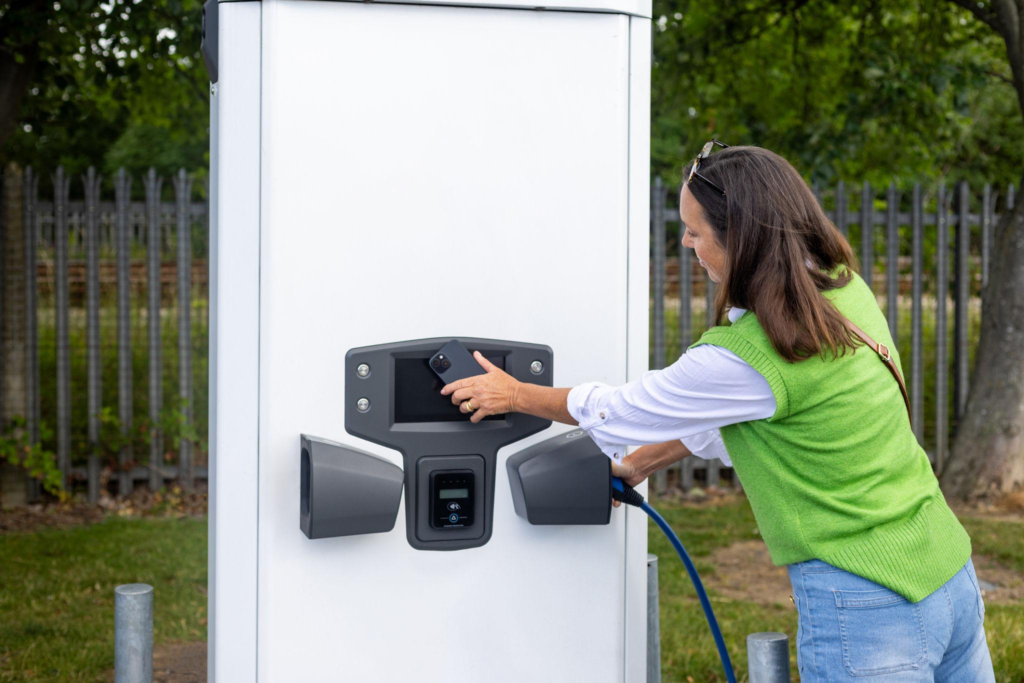
Industry Competition and Market Impact Accelerate EV Transition
The unveiling of the BYD EV battery breakthrough is expected to intensify the global battery innovation race, with automakers and technology firms investing heavily in next-generation solutions. The stakes are high, as the company that leads in battery performance will likely shape the future of the automotive industry over the next decade.
For traditional fuel vehicles, this shift represents a growing competitive threat. As charging times approach or even surpass the convenience of refueling, one of the last key differentiators of petrol and diesel vehicles begins to erode. This could accelerate regulatory and consumer-driven transitions toward cleaner transportation, particularly as governments worldwide continue to implement stricter emissions targets.
You Might Also Like: Africa Stablecoin Payments Hit $5B as ZendWallet Redefines Global Trade
From an investor perspective, the BYD EV battery breakthrough reinforces the importance of battery technology as a core value driver in the automotive sector. Companies that control or innovate in battery production are increasingly seen as leaders in the energy transition, attracting significant capital and strategic partnerships.
The broader impact extends beyond the automotive industry into energy systems, urban planning, and sustainability strategies. Faster-charging EVs could integrate more seamlessly with renewable energy sources, support smart grid development, and reduce overall carbon emissions in transportation.
Ultimately, the BYD EV battery breakthrough shifts the conversation from whether electric vehicles will replace petrol cars to how quickly that transition will occur. As charging barriers diminish and performance improves, the path toward widespread EV adoption becomes not just inevitable, but imminent.
Previous Post
Next Post