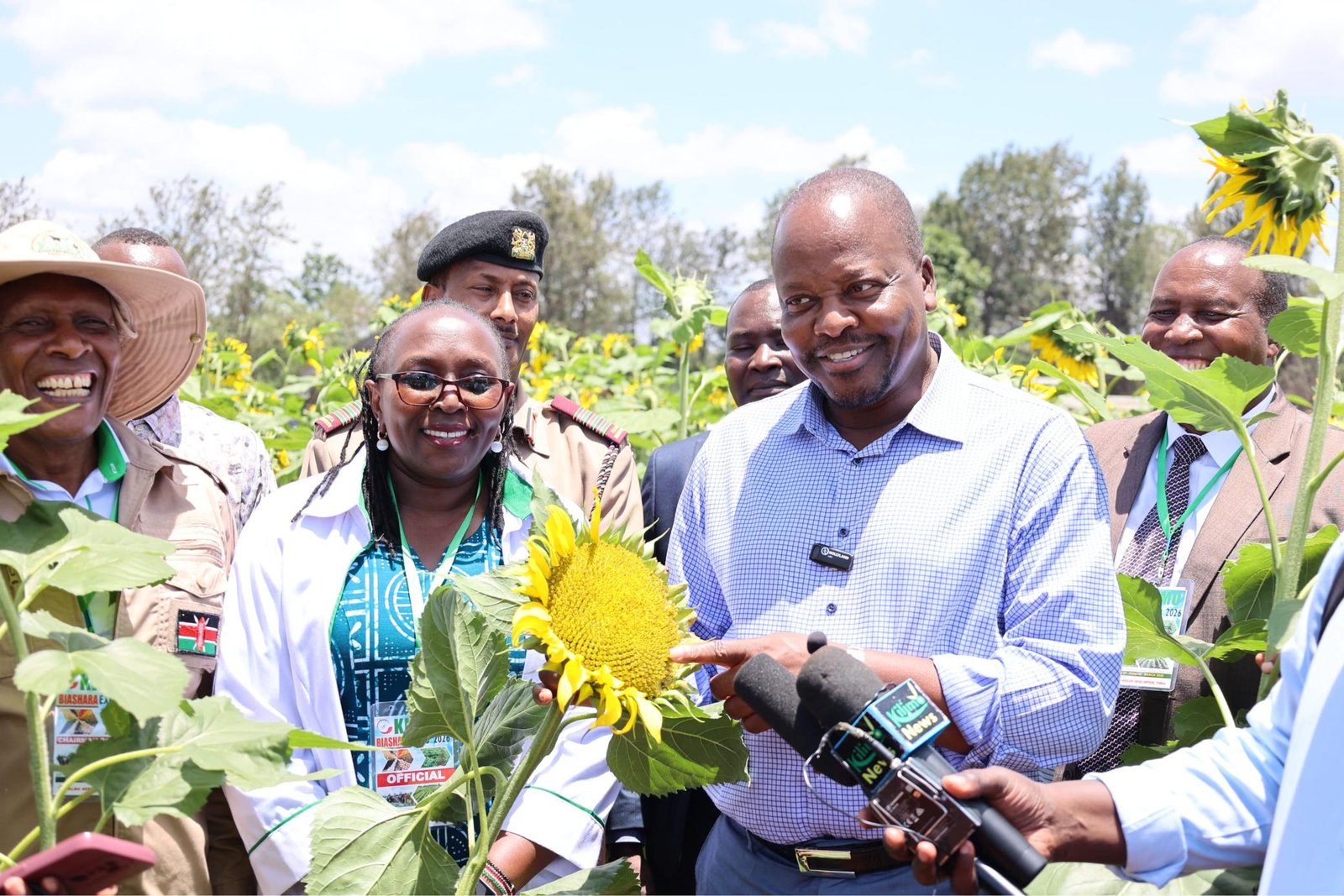
At the center of the government’s strategy is a push toward agro-industrialisation, a policy direction aimed at ensuring that Kenya processes what it produces rather than exporting raw materials and importing finished goods at higher costs.
Provides authoritative coverage of the forces shaping Kenya’s economic and financial environment. Tracks policy, markets, banking, inflation, and trade to deliver data-driven insights for decision-makers.
With a strong focus on trade and exports, this page offers timely analysis, data-driven insights, and expert perspectives to help business leaders, investors, and decision-makers understand market trends, assess risks, and identify opportunities in Kenya and the wider global economy.
At the center of the government’s strategy is a push toward agro-industrialisation, a policy direction aimed at ensuring that Kenya processes what it produces rather than exporting raw materials and importing finished goods at higher costs.

Under the proposed amendments to Section 34(1)(a) of the VAT Act, the current annual turnover threshold of KSh 5 million for mandatory VAT registration would be scrapped entirely. This would effectively bring micro, small, and medium enterprises (MSMEs) into the formal tax net for the first time.
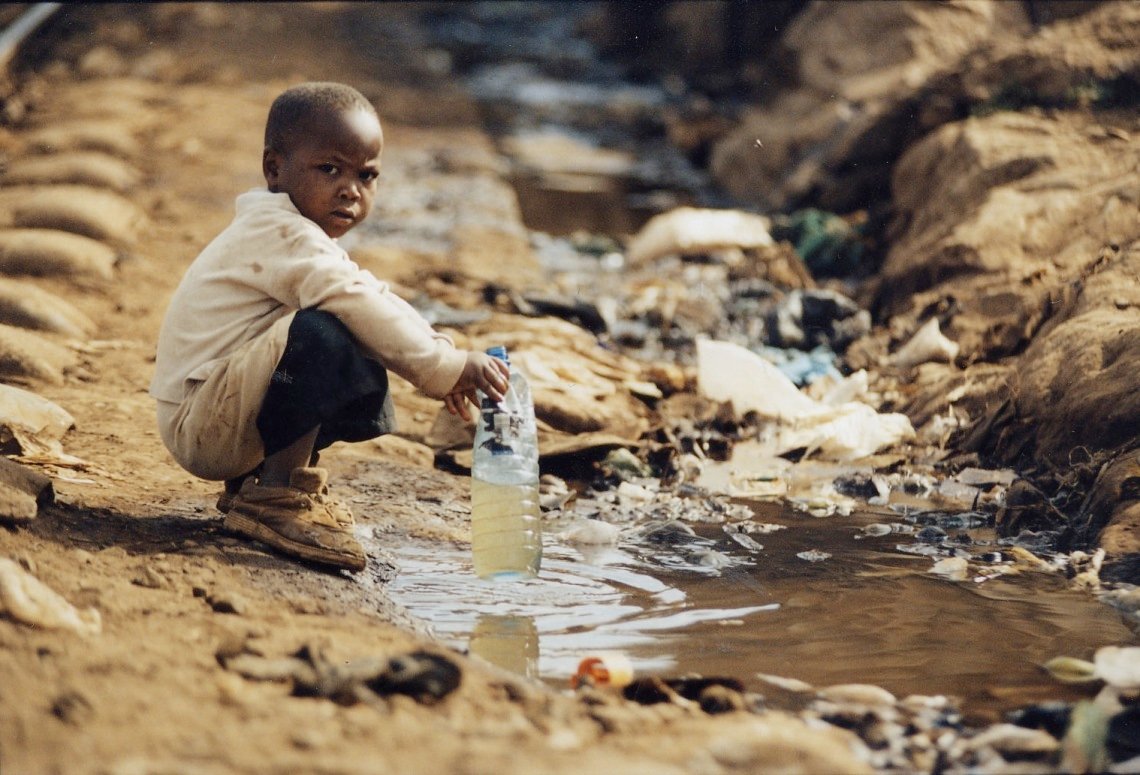
The financing will support efforts to address severe water shortages in one of the world’s most water-stressed countries, where supply remains limited and uneven, particularly outside urban centres.
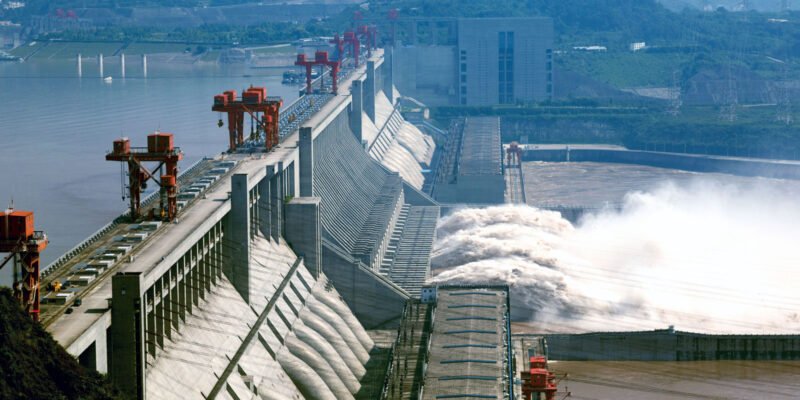
The two countries already have a political agreement covering 2,500 megawatts of power supply. However, ongoing negotiations are expected to consider doubling that figure to 5,000 megawatts, reflecting South Africa’s growing energy demand.

The programme, introduced under the ICT Programme in Faso (PROTAF), focuses on refurbishing outdated public-sector computer equipment and redistributing it to underserved groups, including women and low-income households.
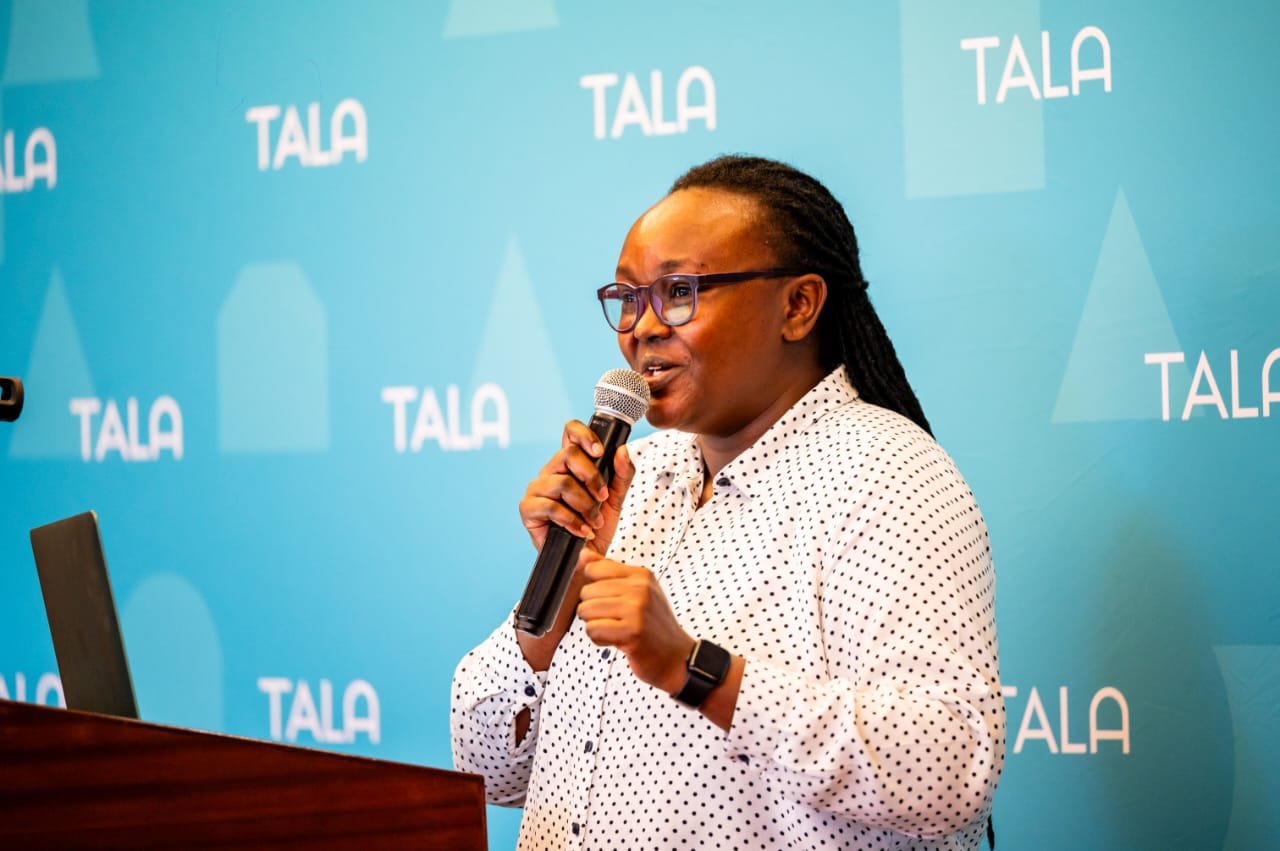
The Report shows that one in five Kenyans says their cost of living has risen by more than 20 per cent in the past six months, underscoring the growing pressure on household budgets.
The study, Nature’s Bottom Line: The Economic and Financial Costs of Ecosystem Degradation in Kenya, finds that about 44 per cent of the country’s GDP comes from sectors highly dependent on ecosystem services, including agriculture, construction and real estate.
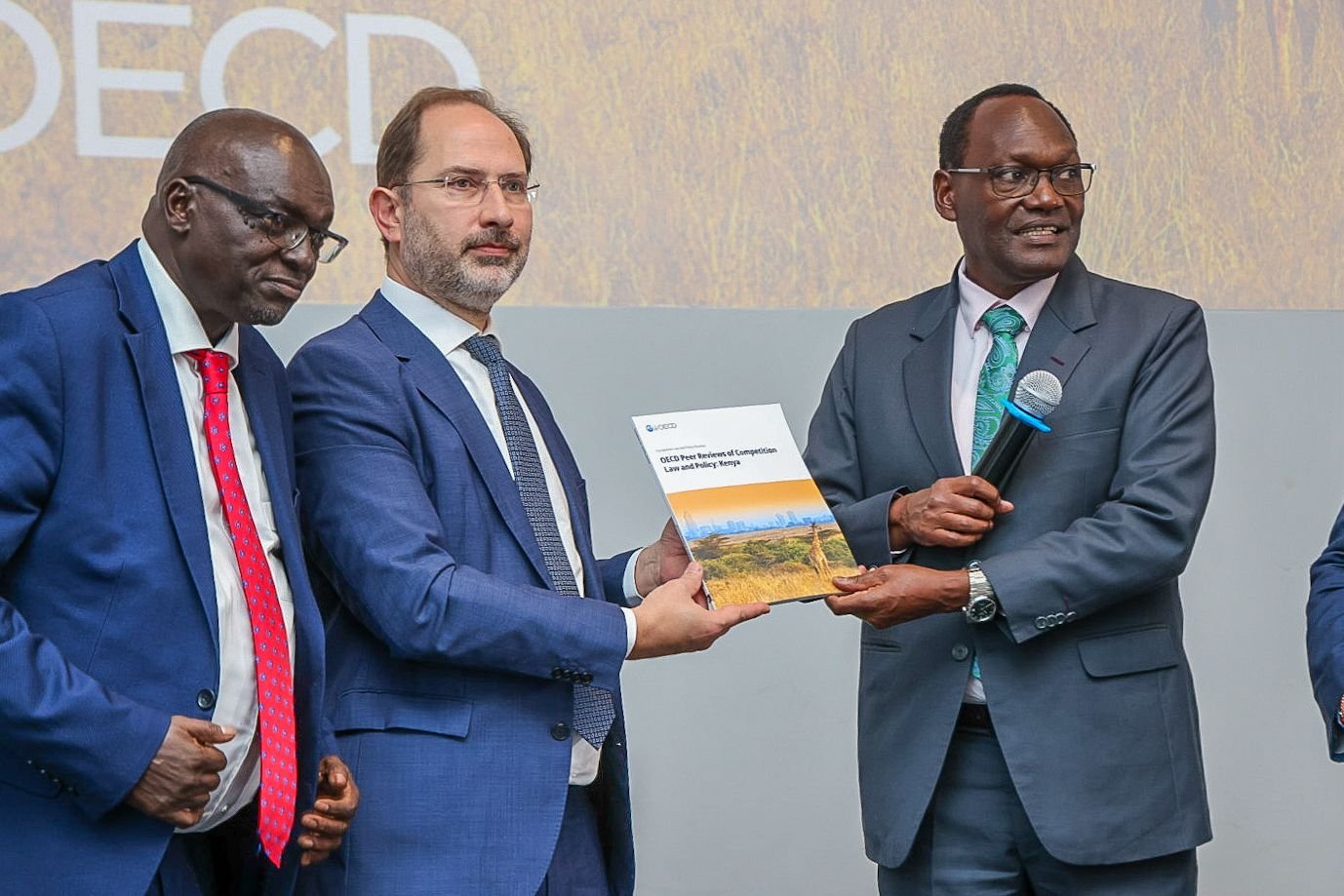
Among the main concerns are low levels of enforcement activity, limited financial and human resources, and challenges in ensuring institutional independence. The report warns that these constraints may weaken the ability of regulators to deter anti-competitive behaviour and protect consumers effectively.
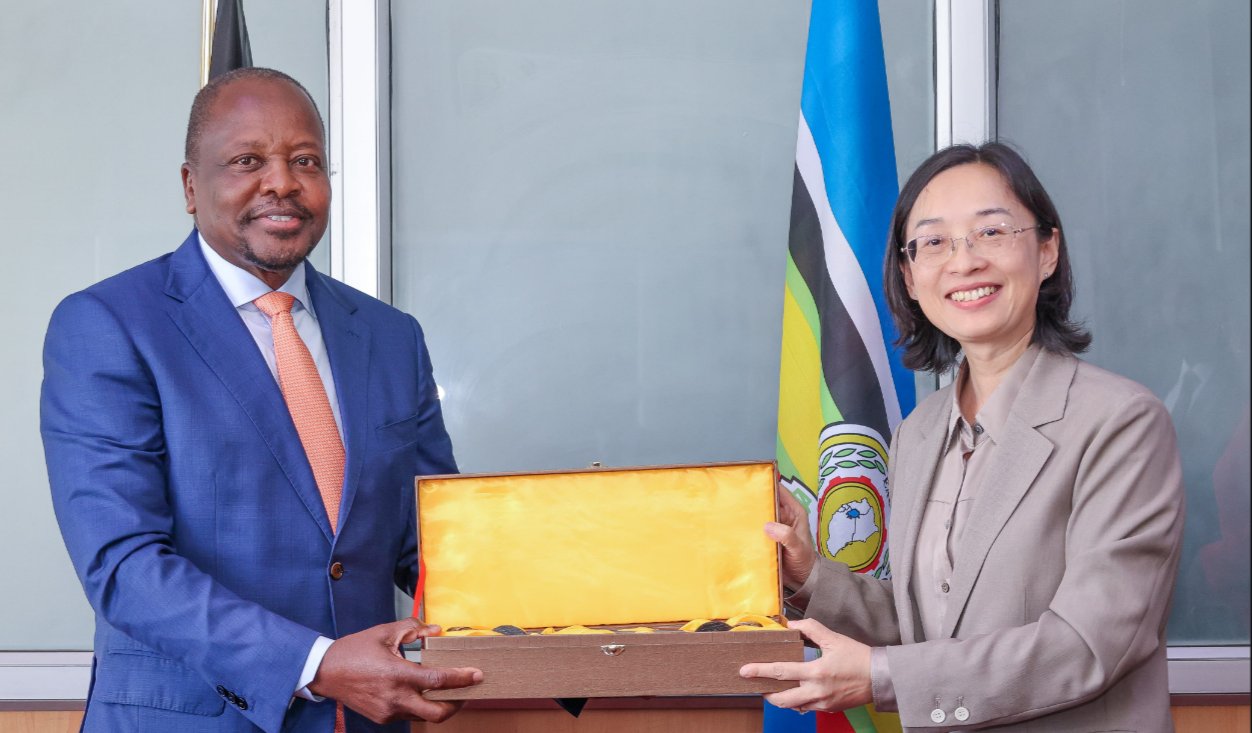
Under the new framework, a wide range of Kenyan agricultural products, including tea, coffee, avocados, macadamia nuts, flowers, vegetables, and other fresh horticultural produce, will enter China without tariffs that previously made them less competitive.
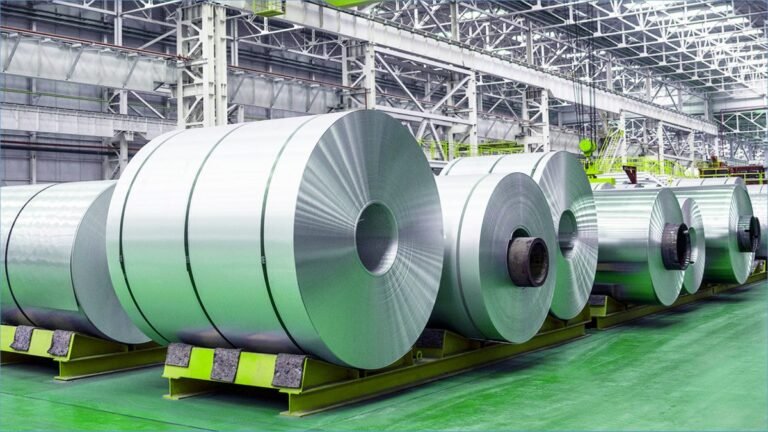
Under the terms of the deal, Synergetic Development Group will develop an integrated logistics centre for steel products, along with a steel fabrication plant, within the park. The facility will operate using 18 megawatts of geothermal power supplied directly from Olkaria's geothermal fields.