
The fund introduces a three-account model that separates resource revenues into distinct components: Stabilisation, Strategic Infrastructure Investment, and Future Generations, each with a specific economic role.
Delivers timely and breaking business news from Kenya, Africa, and around the globe. Our reports provide the essential updates that professionals need to stay informed.
The fund introduces a three-account model that separates resource revenues into distinct components: Stabilisation, Strategic Infrastructure Investment, and Future Generations, each with a specific economic role.
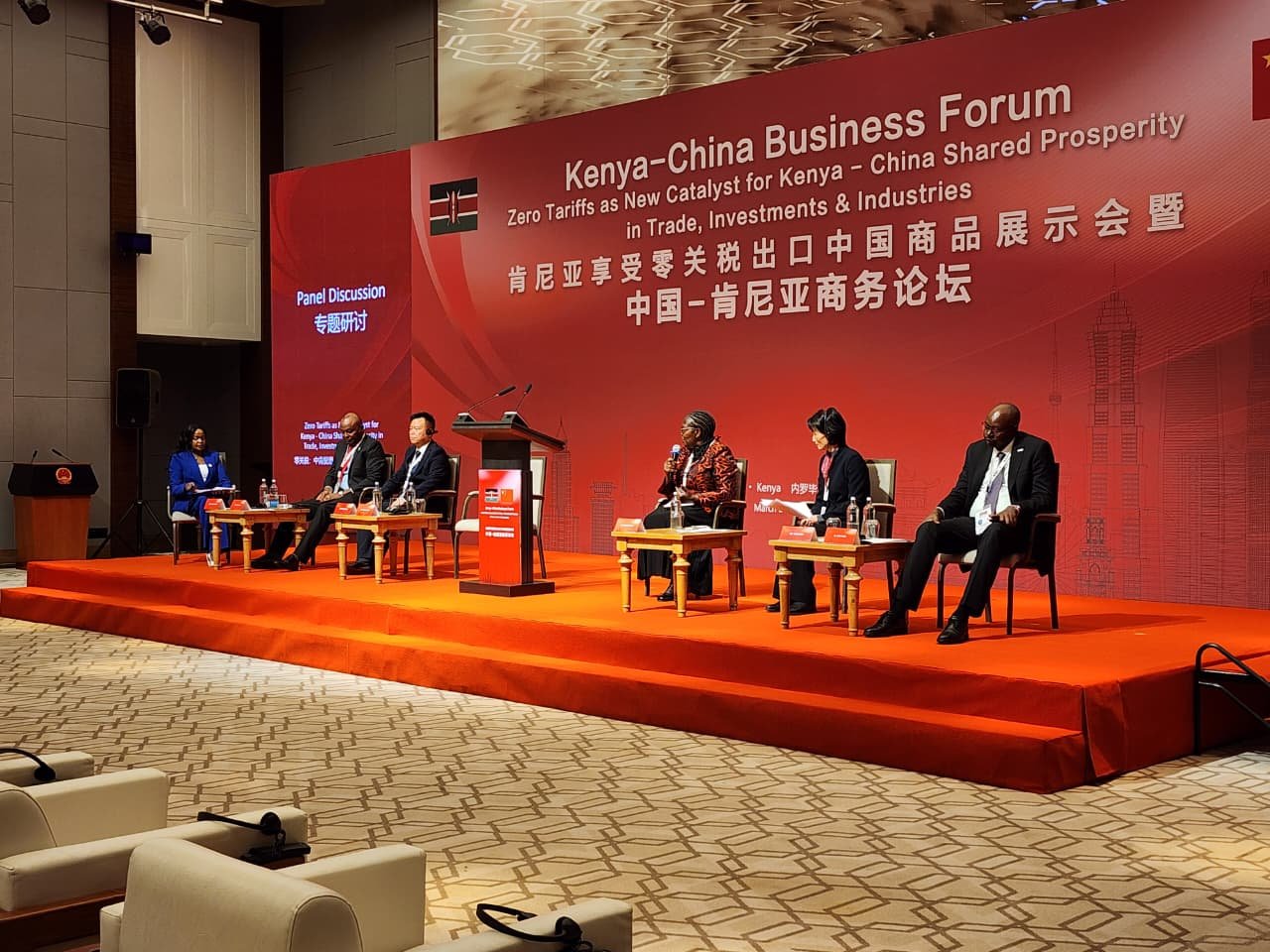
The event, jointly organised by the China Council for the Promotion of International Trade (CCPIT) and the Kenya Export Promotion and Branding Agency, highlighted the growing economic partnership between the two nations and the potential for expanded market access for Kenyan goods.

The 9-to-5 is slowly dying. And Africa is not waiting.

A Chinese firm is blocking a land sale over a tax clash with KRA.

Equity tops the list of most valuable brands in Kenya.

The financing will support efforts to address severe water shortages in one of the world’s most water-stressed countries, where supply remains limited and uneven, particularly outside urban centres.

The two countries already have a political agreement covering 2,500 megawatts of power supply. However, ongoing negotiations are expected to consider doubling that figure to 5,000 megawatts, reflecting South Africa’s growing energy demand.

The programme, introduced under the ICT Programme in Faso (PROTAF), focuses on refurbishing outdated public-sector computer equipment and redistributing it to underserved groups, including women and low-income households.

The race for vegetable oils and biofuels is heating up.
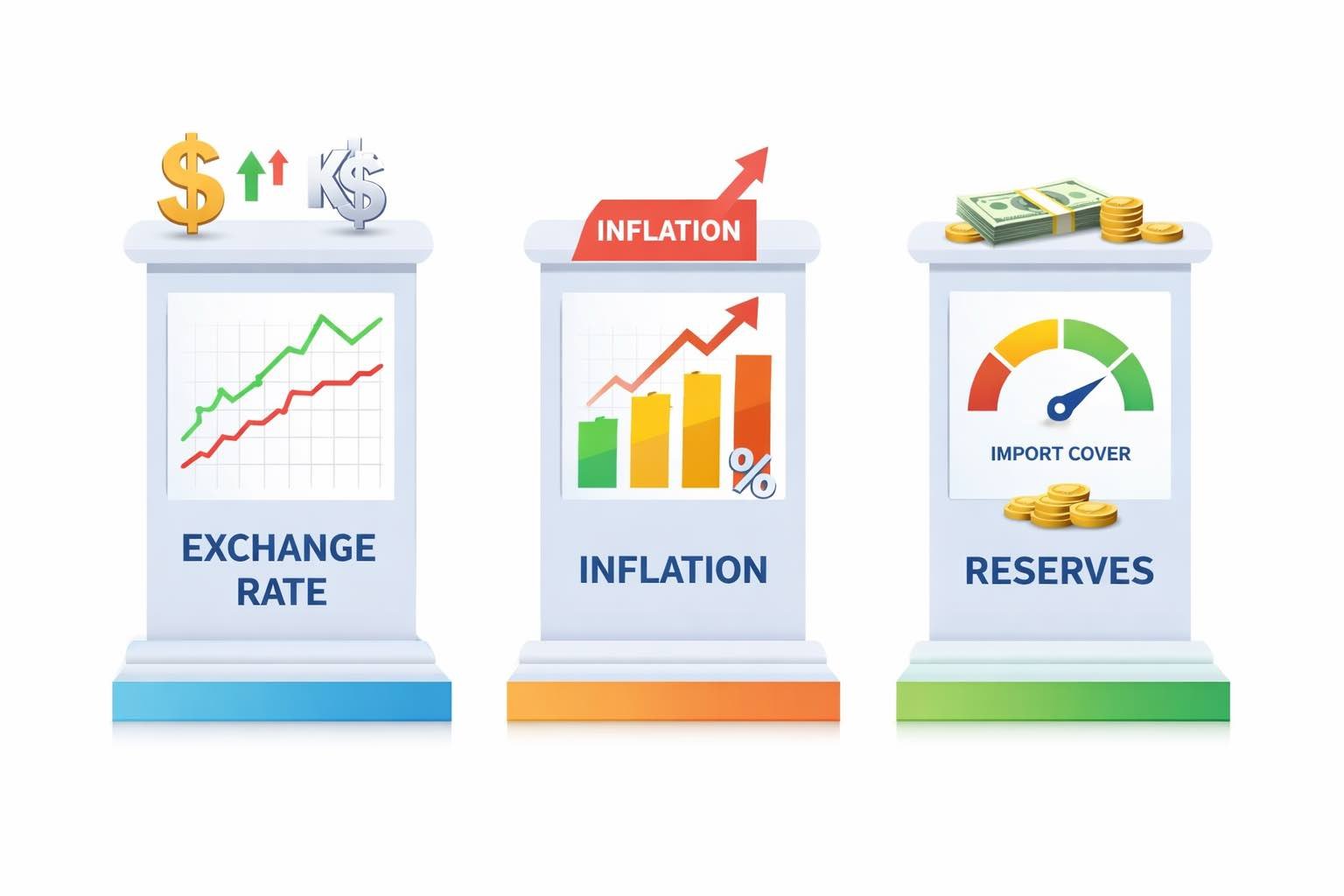
The Kenyan shilling is facing renewed pressure as escalating conflict in the Middle East strengthens the US dollar and disrupts global financial markets. Analysts warn that the currency could weaken by between 8% and 30% if geopolitical tensions persist and capital continues to flow into safe-haven assets. A weaker shilling would significantly increase the cost of imports, fuel and debt servicing for the country. The Kenyan shilling Middle East war impact is emerging as a major concern for policymakers and businesses. Kenyan Shilling Middle East War Pressure Builds From Dollar Strength The Kenyan shilling Middle East war scenario is being driven largely by the strengthening of the United States Dollar, which investors are turning to amid global uncertainty. Historically, geopolitical conflicts push investors toward safer assets such as the dollar, causing emerging market currencies to weaken. For Kenya, a stronger dollar increases the cost of imports including fuel, machinery and raw materials, all of which are priced in foreign currency. This dynamic puts immediate pressure on the shilling, particularly as the country relies heavily on imports to support key sectors of the economy. Analysts say continued volatility in global markets could accelerate the depreciation of the local currency, especially if capital outflows increase. Import Costs, Debt and Inflation Risks Set to Rise The broader Kenyan shilling Middle East war impact could have far-reaching consequences for the economy. A weaker currency would make essential imports more expensive, leading to higher fuel prices and increased costs for goods and services across the country. This could drive inflation upward, affecting household purchasing power and business profitability. At the same time, Kenya’s external debt burden could become more expensive to service, as repayments denominated in dollars would require more local currency. Economists warn that these combined pressures could slow economic growth and complicate fiscal planning. Institutions such as the Central Bank of Kenya may be forced to intervene through monetary policy measures to stabilize the currency and control inflation. Experts say that while the situation depends heavily on how long the Middle East conflict lasts, the risks to the shilling remain significant. “If global uncertainty persists, emerging market currencies like the shilling are likely to remain under pressure,” analysts note. With global investors closely watching geopolitical developments, the Kenyan shilling Middle East war trend underscores how external shocks can quickly impact local currency stability.