Now Reading: Cost Pressures Behind Kenya Shoe Imports Growth
-
01
Cost Pressures Behind Kenya Shoe Imports Growth

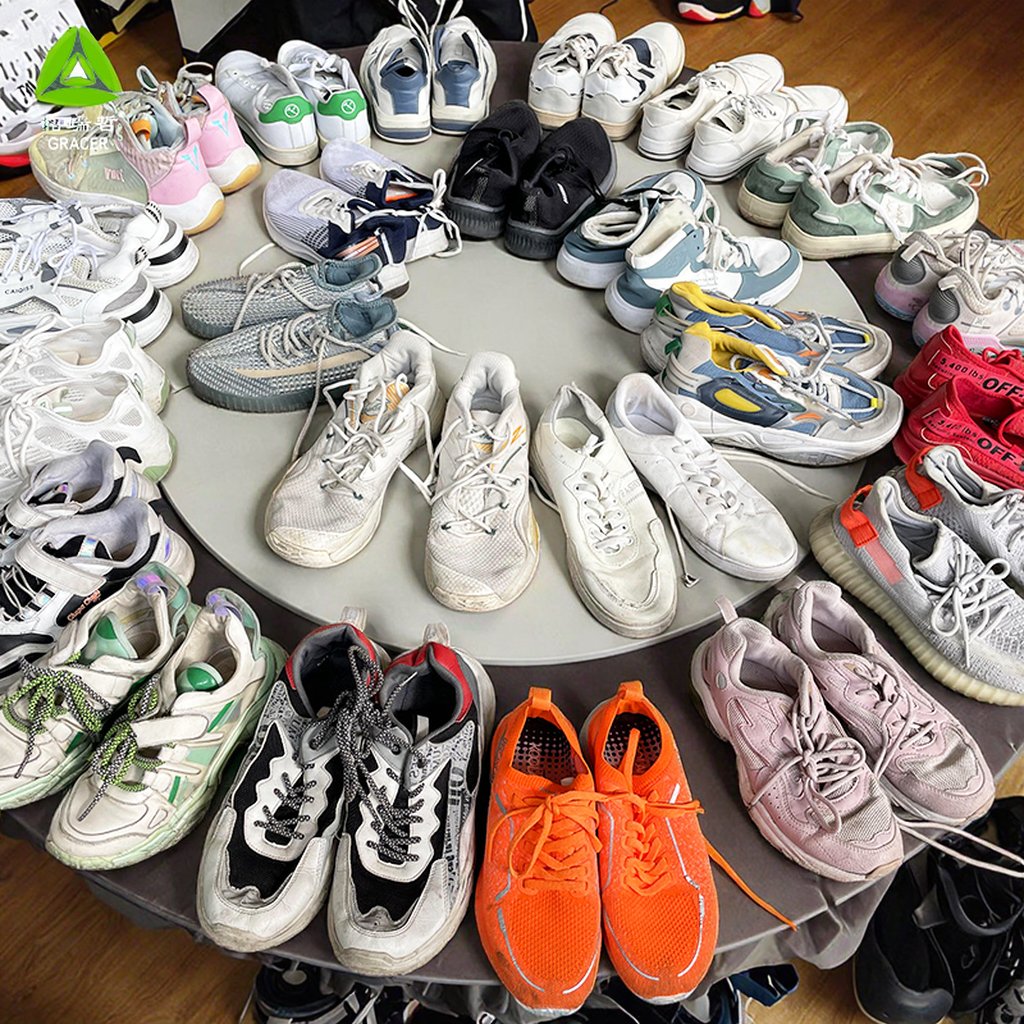

Kenya shoe imports have surged sharply, underscoring growing pressure on local manufacturers already struggling with high production costs, limited access to financing, and raw material shortages. Data from the Kenya National Bureau of Statistics (KNBS) shows that footwear imports rose by 63 percent in volume during the first nine months of 2025, highlighting a widening gap between consumer demand and the capacity of domestic producers. While the increase signals strong market demand, it also exposes structural weaknesses in Kenya’s leather and footwear sector, raising concerns about jobs, industrial growth, and long-term competitiveness.
Why Kenya shoe imports are rising faster than local production
According to KNBS, Kenya imported 18.99 million pairs of shoes in the first nine months of 2025, up from 11.62 million pairs during the same period last year. This sharp rise contrasts with the performance of local manufacturers, many of whom are operating below capacity due to cost and supply constraints. Despite the surge in volume, the total value of Kenya shoe imports dipped slightly to Sh5.29 billion from Sh5.36 billion, largely reflecting exchange rate movements rather than reduced demand.
Industry players say the appeal of imported footwear is largely price-driven. Cheaper imports from countries such as China, Turkey, India, and Jordan dominate the market, benefiting from large-scale production, lower energy costs, and more efficient supply chains. Kenya Association of Manufacturers (KAM) Chief Executive Officer Tobias Alando notes that domestic producers face structural disadvantages that make it difficult to compete on price. He cites expensive electricity, high cost of capital, limited access to financing, and inadequate availability of raw materials as persistent obstacles.
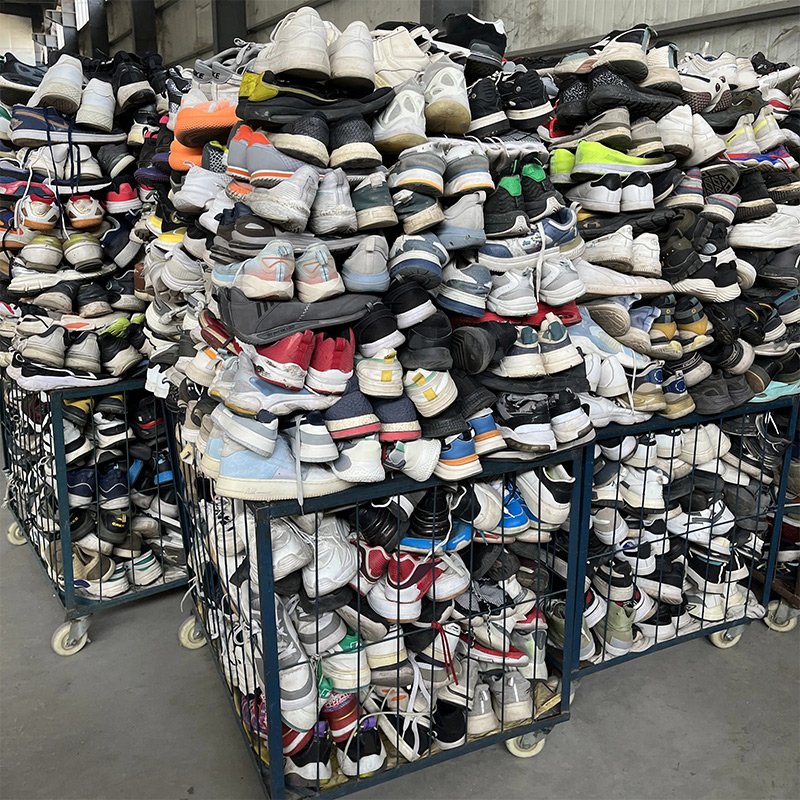
Unfavorable competition from both new and second-hand imported shoes further weakens the position of local manufacturers. According to KAM, policy and regulatory challenges also play a role, with industrial and trade frameworks failing to sufficiently shield or incentivize domestic production. While KNBS does not disaggregate footwear categories, KAM data shows that leather shoes with rubber soles account for a significant share of imports, a segment where local producers could potentially compete if cost pressures were eased.
What the surge in Kenya shoe imports means for jobs and policy
The rise in Kenya shoe imports complicates President William Ruto’s stated goal of reducing reliance on foreign footwear and promoting local manufacturing under the “Buy Kenya, Build Kenya” agenda. The government has consistently urged consumers to embrace locally made shoes as a way to stimulate job creation and industrial expansion. However, progress has been slow, partly due to challenges within the leather value chain.
Kenya’s leather industry continues to face setbacks, including closed tanneries and shortages of quality hides and skins, which limit the ability of shoemakers to source inputs locally. As a result, many manufacturers depend on imported materials, increasing exposure to foreign exchange volatility and raising production costs. This erodes competitiveness even before products reach the market.
Read Also: Debt and Fiscal Pressures Driving Kenya’s IMF Support Talks
Despite the dominance of imports, industry leaders argue that high import volumes do not necessarily reflect poor quality or inefficiency among local producers. Alando notes that Kenya consumes about 34 million to 36 million pairs of shoes annually, with roughly 26 million pairs imported. Crucially, local manufacturers supply all boots for Kenya’s disciplined forces, demonstrating that domestic firms can meet strict quality and reliability standards when demand is stable and supported.
Looking ahead, analysts say reversing the trend in Kenya shoe imports will require coordinated policy action. Potential measures include lowering energy costs for manufacturers, improving access to affordable credit, reviving tanneries, and tightening enforcement on second-hand imports. Without such interventions, imports are likely to continue filling the gap between demand and local supply, deepening dependence on foreign footwear and slowing industrial growth.
Previous Post
Next Post