Now Reading: Credit Market at Risk as Kenya Reviews Bad Loan Tax Treatment
-
01
Credit Market at Risk as Kenya Reviews Bad Loan Tax Treatment



Kenya’s banking sector is facing a potential shift in lending costs following a new tax ruling on bad loans that could significantly impact how financial institutions price credit. Analysts warn that the decision may increase the cost of doing business for banks, forcing them to pass the burden onto borrowers through higher interest rates. The development could affect access to affordable credit for households and businesses alike. The bad loans tax ruling is now emerging as a key issue for the country’s financial sector.
Bad Loans Tax Ruling Could Raise Cost of Credit
The Kenya bad loans tax ruling is expected to alter how banks account for non-performing loans, potentially increasing their tax obligations.
Industry experts say the ruling could limit the ability of financial institutions to deduct bad loans from taxable income, effectively raising the cost of managing credit risk.
As a result, banks may respond by tightening lending standards or increasing interest rates to protect profitability.
The move could have wide-ranging implications for Kenya’s credit market, particularly for small and medium-sized enterprises that rely heavily on bank financing.
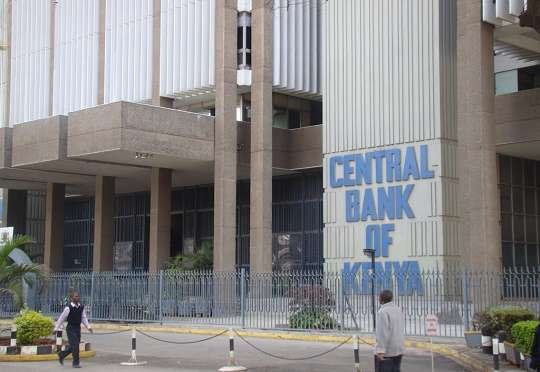
Regulatory oversight in the sector is led by the Central Bank of Kenya, which monitors financial stability and lending practices.
Economists warn that higher borrowing costs could slow business expansion and reduce consumer spending, potentially affecting overall economic growth.

Lending Rates and Financial Stability at Risk
The broader impact of the bad loans tax ruling could extend beyond banks to the wider economy.
If lending becomes more expensive, businesses may delay investment decisions while households reduce borrowing for consumption and housing.
Analysts say this could dampen economic activity, especially in sectors that depend heavily on credit such as real estate, manufacturing and trade.
Read Also: US Dollar Strengthens as Investors Seek Safety Amid Middle East War
Banks may also become more cautious in issuing loans, particularly to high-risk borrowers, leading to reduced credit access.
Financial experts argue that balancing tax policy with financial sector stability will be critical in managing the long-term impact of the ruling.
“The cost of credit is highly sensitive to regulatory and tax changes, and any increase can have ripple effects across the economy,” analysts note.
With the banking sector already navigating economic uncertainty, the bad loans tax ruling could reshape lending dynamics in the months ahead.
Related Posts


Previous Post
Next Post