Now Reading: Cruise Tourism Surge: Kenya Offers Discounts to Attract Park Visits
-
01
Cruise Tourism Surge: Kenya Offers Discounts to Attract Park Visits

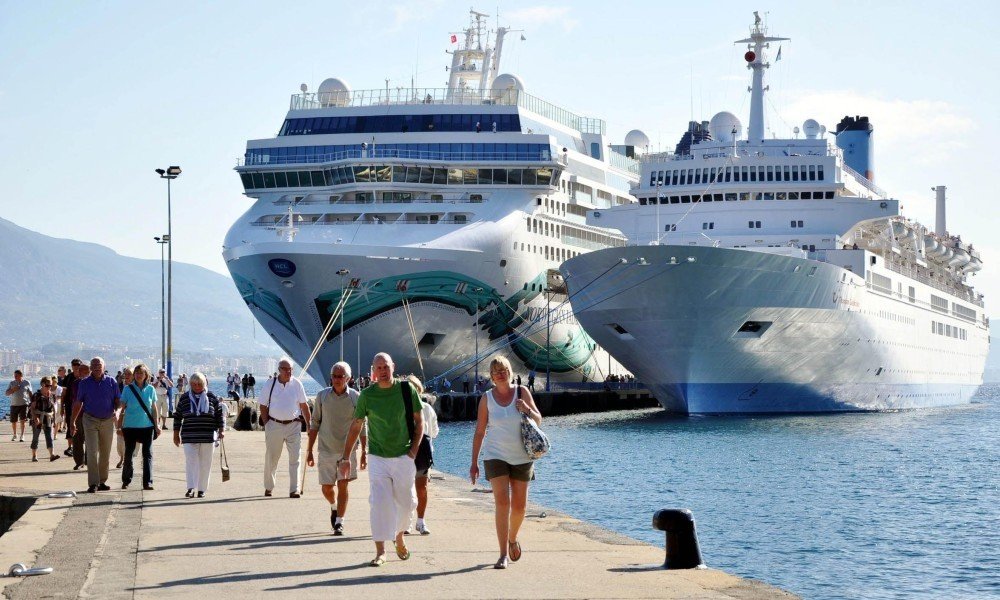

Kenya is rolling out a bold tourism stimulus strategy with a cruise tourism discount of up to 30%, targeting a surge in cruise passengers visiting national parks. The initiative is designed to strengthen the link between coastal cruise arrivals and inland safari experiences, unlocking new revenue streams across the tourism value chain. Led by stakeholders including the Kenya Tourism Board, the move comes as the country seeks to maximize visitor spending and extend tourist stays. With global cruise tourism rebounding, Kenya is positioning itself to capture a larger share of this growing market. For investors and operators, the discount signals a strategic push to revitalize and diversify the tourism sector.
Cruise Tourism Discount Aims to Boost Visitor Numbers and Spending
The introduction of the cruise tourism discount is a targeted effort to increase tourist flows from cruise ships into Kenya’s renowned national parks. Traditionally, many cruise passengers spend limited time onshore, often restricting their activities to coastal excursions.
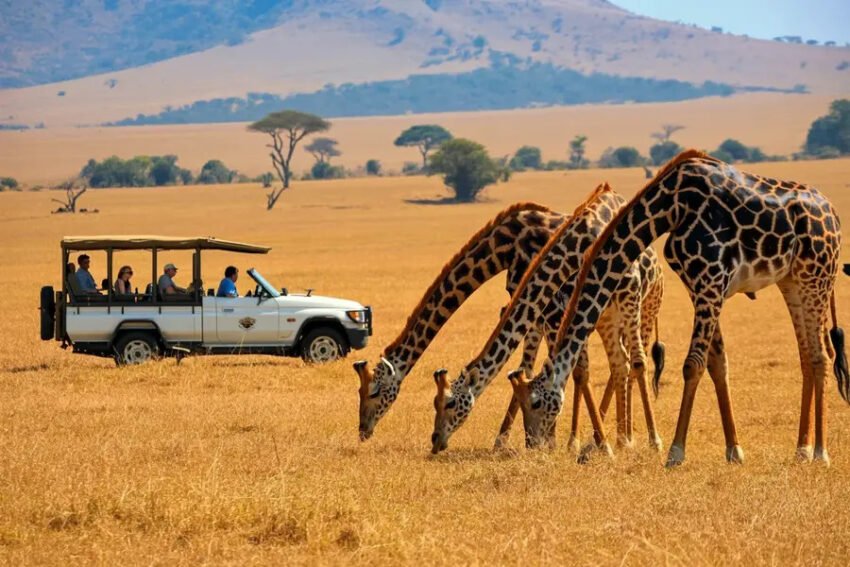
By offering up to 30% discounts on park visits and related experiences, authorities aim to incentivize tourists to explore beyond port cities. The Kenya Tourism Board is working alongside tour operators and other stakeholders to package attractive deals that combine cruise stops with safari adventures.
This strategy is expected to increase tourist spending per visit, extend the duration of stays, and boost revenues for tour operators and park services.
Kenya’s tourism sector is a key economic driver, contributing significantly to GDP and employment. Enhancing the integration between cruise tourism and inland attractions could unlock untapped potential, especially as global travel demand continues to recover.
Industry players have welcomed the cruise tourism discount, noting that price incentives can play a crucial role in influencing traveler decisions, particularly in competitive global markets.
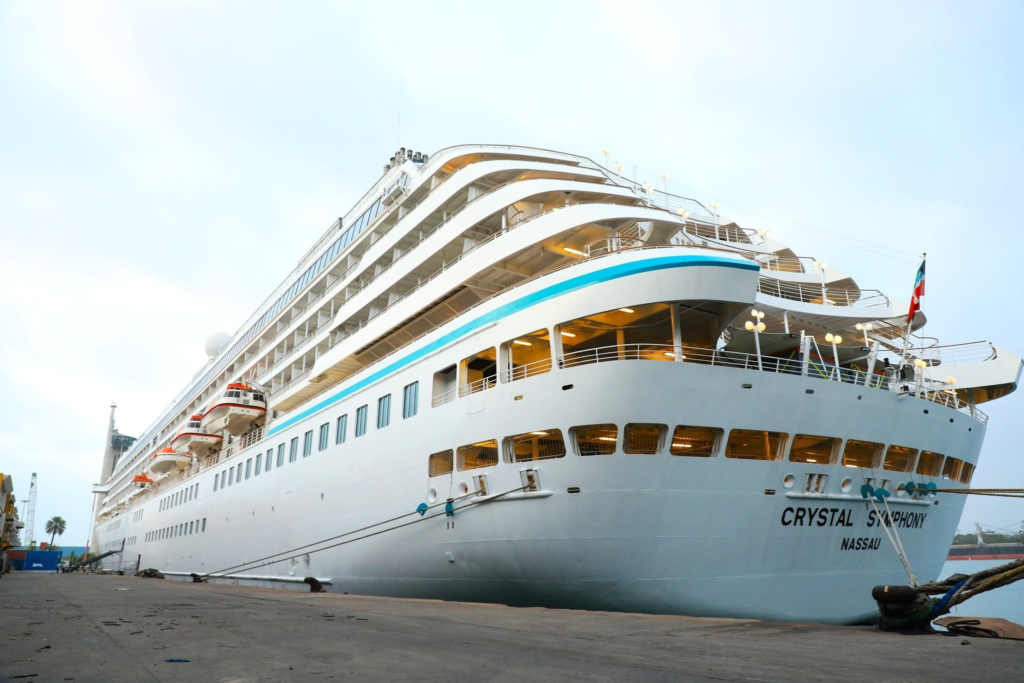
Cruise Tourism Discount Signals Growth Opportunity in Travel Sector
Beyond immediate visitor numbers, the cruise tourism discount represents a game-changing opportunity to reposition the country as a comprehensive tourism destination. By linking cruise travel with iconic safari experiences, Kenya can differentiate itself from other cruise destinations that primarily offer coastal attractions.
According to a tourism expert, the real value lies in converting cruise passengers into high-spending tourists who explore multiple destinations within the country.
For businesses, the initiative opens up new opportunities across the tourism ecosystem. Some of these opportunities include tour companies can design integrated cruise-to-safari packages, hospitality providers can benefit from extended stays, and transport and logistics firms can support inland travel.
Read: Why Africa Must Rethink Its Trade Order for Long-Term Success
The cruise tourism discount also aligns with broader efforts to diversify tourism offerings and reduce reliance on traditional markets. By tapping into cruise tourism, Kenya can access a segment of travelers that is often underutilized.
However, the success of the initiative will depend on execution. Efficient transport links, seamless booking systems, and high-quality visitor experiences will be critical to converting interest into actual visits.
At the same time, maintaining sustainability will be essential. Increased tourist flows must be managed carefully to protect wildlife and natural resources, which are central to Kenya’s tourism appeal.
Ultimately, the cruise tourism discount is more than a promotional campaign—it is a strategic shift toward integrated tourism development. If successfully implemented, it could significantly boost revenues, enhance visitor experiences, and strengthen Kenya’s position in the global tourism market.
Previous Post
Next Post