Now Reading: Del Monte Kenya Launches KSh 515 Million Frozen Processing Facility and Solar Plant
-
01
Del Monte Kenya Launches KSh 515 Million Frozen Processing Facility and Solar Plant
Del Monte Kenya Launches KSh 515 Million Frozen Processing Facility and Solar Plant

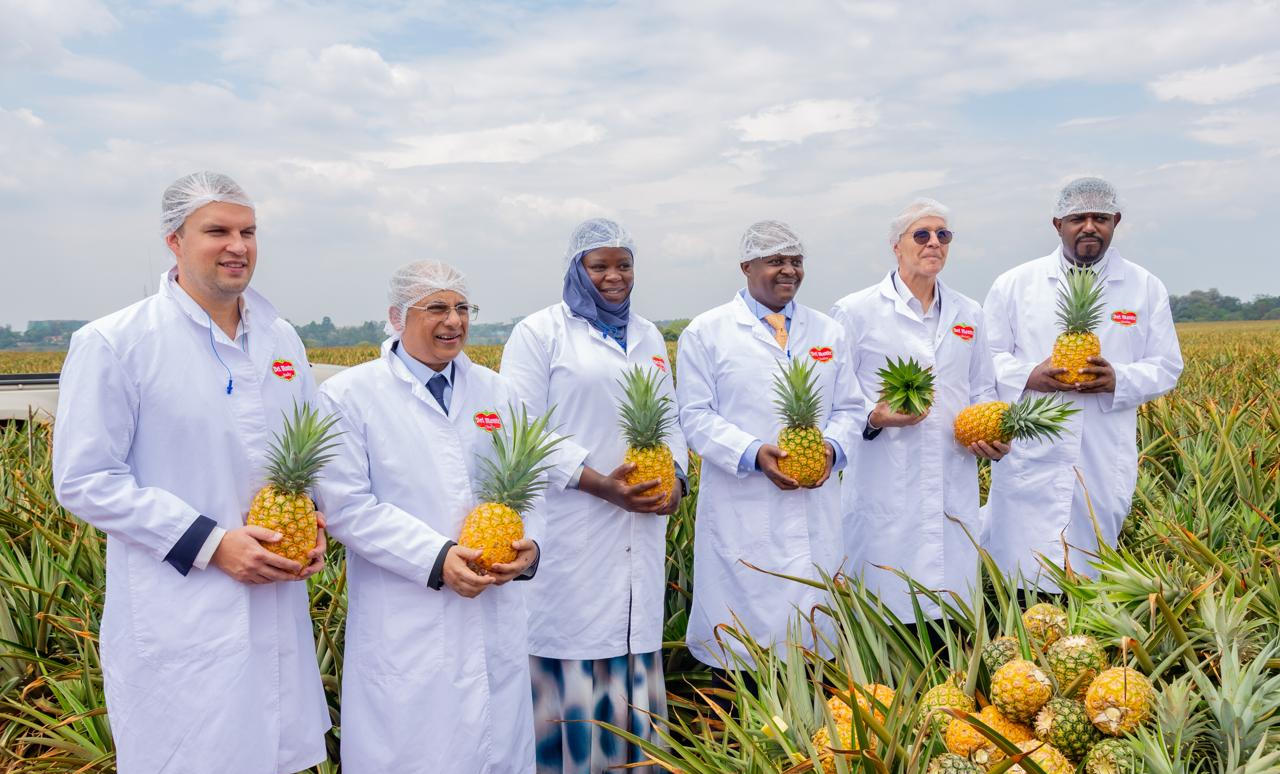

Del Monte Kenya has commissioned a state-of-the-art Individually Quick Frozen (IQF) processing facility and an 807kW solar power plant in a Sh515 million (US$4 million) investment aimed at boosting export capacity and advancing the company’s sustainability agenda.
The expansion includes a US$4 million Individually Quick Frozen (IQF) processing line designed to preserve pineapple quality across longer export supply chains while reducing post-harvest losses.
The facility freezes individual pineapple pieces to below minus 18 degrees Celsius, allowing the fruit to retain its texture, colour and nutritional value for industrial and retail markets abroad.
The IQF plant can process up to 3.6 tonnes of pineapple per hour, giving the company greater flexibility in raw material utilisation.
Fresh pineapples sourced from Del Monte’s plantations are prepared into chunks, tidbits or cubes before undergoing inspection, disinfection and dewatering, ahead of rapid freezing on a fluidised conveyor bed.
The final frozen product is packed in bulk-lined cartons and sold mainly into export markets.
Speaking during the commissioning, Del Monte Kenya Managing Director Wayne Cook said the new facilities reflect the company’s long-term strategy of diversification, sustainability and deeper integration into global value chains.
“These facilities signal our future as a catalyst for industrial growth, job creation and rural economic empowerment,” Cook said. “Our investment will strengthen Kenya’s agricultural value chain and boost export competitiveness, creating meaningful economic opportunities for local communities.”
Diversifying Beyond Fresh Exports
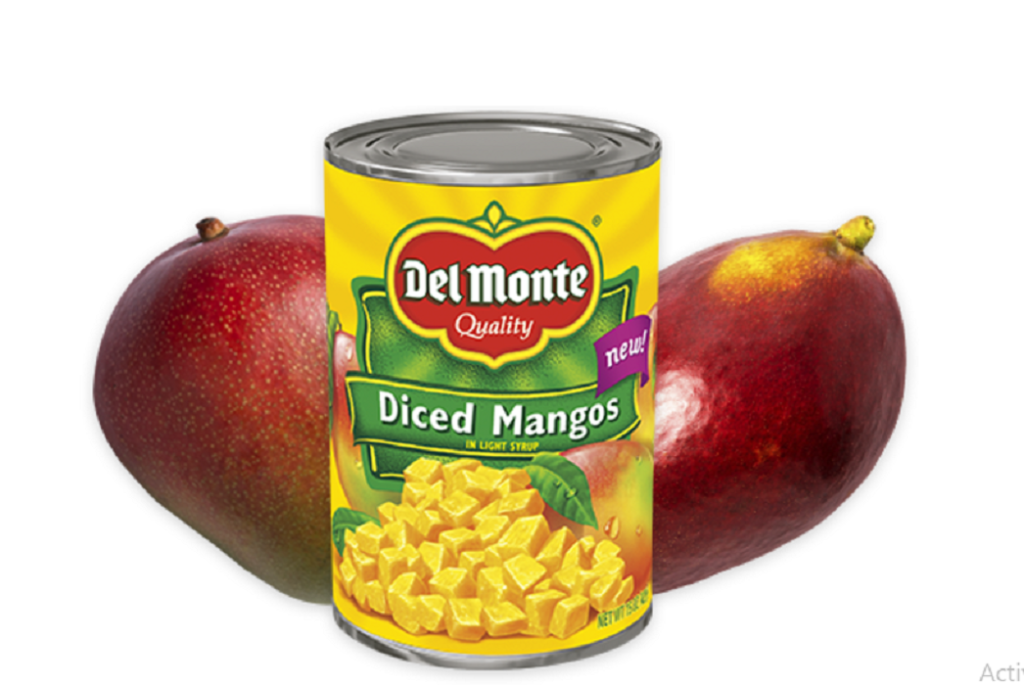
The IQF line forms part of Del Monte Kenya’s broader plan to move beyond raw and fresh exports into higher-value processed products.
While pineapple remains the company’s flagship crop, the frozen facility is designed to support the processing of other fruits and vegetables in the future, including mangoes and avocados, as consumer demand shifts toward convenience and longer shelf-life products.
Kenya’s fruit and vegetable exports have been on an upward trend. Data from the Kenya National Bureau of Statistics shows exports rose 21 per cent from 587,000 tonnes in 2023 to 712,000 tonnes in 2024, earning the country Sh94 billion in foreign exchange.
Investments such as the IQF facility are expected to help local producers capture more value from this growth.
Solar Power Cuts Costs and Carbon Emissions
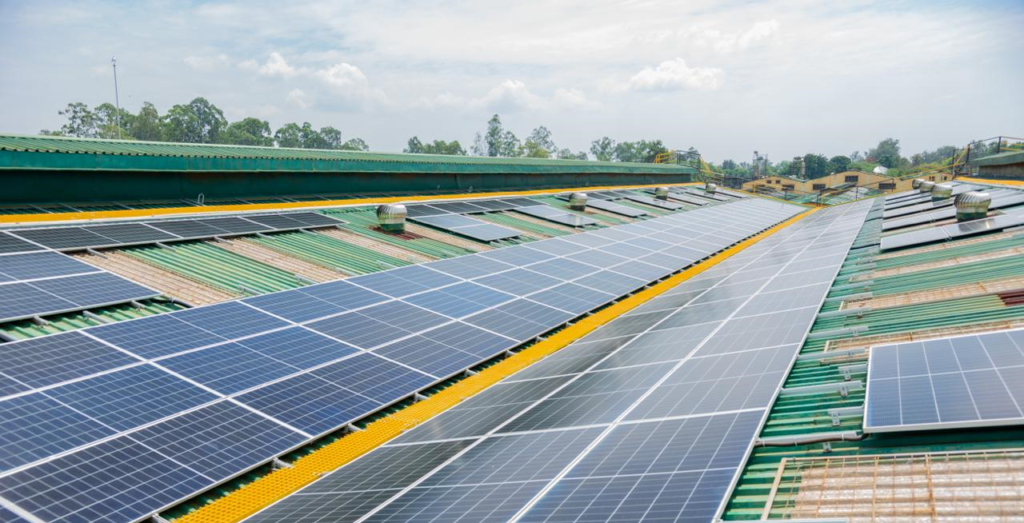
Alongside the frozen line, Del Monte Kenya unveiled an 807kW solar power plant installed on the rooftops of its warehouses.
The project was developed in partnership with Berkeley Energy Corporate Solutions and is expected to reduce the company’s reliance on the national grid, lower long-term energy costs, and cut carbon emissions.
The solar installation will supply power to energy-intensive operations, including canning, frozen processing, beverage, and concentrate production.
It builds on the company’s broader sustainability agenda, which includes a biofertiliser plant that converts pineapple waste into organic fertiliser to improve soil health and reduce environmental impact.
Government officials welcomed the investment, describing it as aligned with Kenya’s push for value addition, export competitiveness and green industrialisation.
“The frozen line and solar plant are exactly the value-addition initiatives that will reduce our reliance on raw exports and position local industries to thrive in global markets,” said Abubakar Hassan Abubakar, Principal Secretary at the State Department for Investment Promotion.
Jobs, Energy Security and Competitiveness
Del Monte Kenya operates more than 10,000 acres of pineapple plantations in Thika and employs over 6,000 Kenyans directly, with thousands more supported indirectly through logistics and supply chains.
The latest investments are expected to support additional skilled and semi-skilled jobs across processing, quality control, maintenance and energy management.
The move into solar energy also comes at a time when manufacturers are seeking protection from power disruptions and rising electricity costs.
By generating a portion of its own energy, Del Monte Kenya is improving operational resilience while contributing to national climate goals.
As global agribusiness faces mounting pressure from climate change, shifting consumer preferences and sustainability standards, Del Monte Kenya’s latest expansion underscores how investment in processing and clean energy can help anchor Kenya’s position in competitive international markets while delivering economic and environmental returns at home.
Read Also: Kenya Will Locally Produce Pepsi, 7UP, and Mirinda from 2027: Here’s the Blueprint – Business News
Related Posts

Previous Post
Next Post