Now Reading: DTB Links Kenya’s Economic Growth to Fiscal Discipline
-
01
DTB Links Kenya’s Economic Growth to Fiscal Discipline



Kenya’s economic growth is projected to accelerate to 5.3 per cent in 2026, up from 4.9 per cent in 2025, according to Diamond Trust Bank’s latest Economic Outlook, signaling continued recovery supported by low inflation, easing financial conditions, and targeted government spending. The lender says macroeconomic stability, recovering domestic demand, and improved liquidity conditions will underpin expansion this year. However, execution of public projects, fiscal discipline, and prudent management of borrowing will determine whether the recovery stays on course.
Government projects to anchor Kenya’s economic growth
DTB identifies major infrastructure programs as key growth catalysts. These include the Affordable Housing rollout across the country, expansion of the Rironi–Gilgil–Mau Summit Road, and stadium construction ahead of the 2027 Africa Cup of Nations tournament. Faith Atiti, DTB’s Head of Research, noted that while the recovery will be broad-based, sector performance will vary depending on investment flows and demand conditions. Kenya’s rebound over the past two years has been supported by easing food inflation, declining interest rates, and a calmer global environment marked by a weaker dollar and improved access to international capital markets.
Read Also: Kenya’s Research-to-Commercialisation Programme Fuels Enterprise Expansion
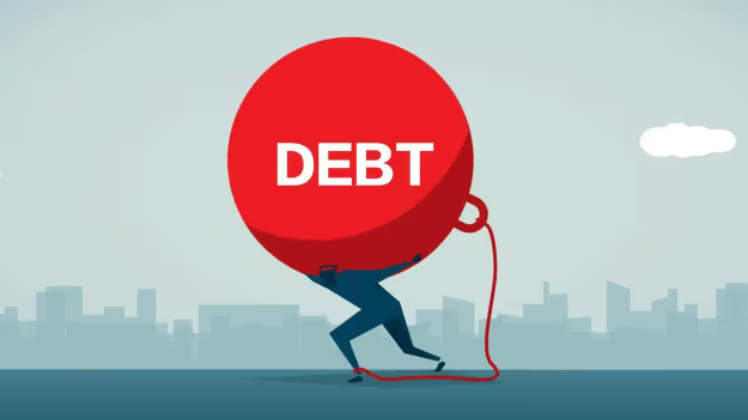
DTB projects the Central Bank of Kenya will maintain an accommodative stance, with the base lending rate expected to ease toward 8.5 per cent from the current 8.0 per cent bias, offering relief to borrowers. However, the bank cautions that rate movements will depend on the Government’s appetite for domestic borrowing. Increased domestic deficit financing could absorb liquidity from the private sector, crowding out business lending and slowing Kenya’s economic growth. Kenya’s debt burden remains a central concern, having limited fiscal space for development spending in recent years, and pushed the State toward heavier domestic borrowing.
Household incomes and regional outlook
DTB expects the improving macroeconomic environment to gradually lift household incomes and consumer spending. Strengthening labor markets and accommodative monetary policy should support purchasing power, though higher-income households are likely to benefit more quickly as many consumers remain cautious and value-driven.
Favorable rainfall and fertilizer subsidies have boosted agricultural productivity and lowered food inflation, but climate shocks — particularly prolonged dry spells — pose renewed inflation risks.
Regionally, DTB forecasts Uganda and Tanzania will outpace Kenya in 2026 growth. Risks across East Africa include reduced foreign aid, fiscal pressures, volatile global conditions, and rising socio-political activity ahead of Kenya’s 2027 General Election.
Previous Post
Next Post