Now Reading: E-Commerce Drives Courier Industry Growth in Kenya
-
01
E-Commerce Drives Courier Industry Growth in Kenya



E-commerce boom is rapidly transforming the Kenya’s logistics landscape, driving strong growth in courier services while traditional postal systems struggle to remain relevant. As online shopping accelerates across urban and rural markets, demand for fast and reliable delivery networks has surged. Businesses and consumers alike are increasingly relying on digital platforms to buy and sell goods, creating new opportunities for logistics companies that can meet the expectations of modern commerce. The rise of e-commerce in Kenya reflects a deeper shift in consumer behavior, where speed, convenience, and digital accessibility are redefining how products move across the economy.

E-Commerce Boom Accelerates Courier Industry Expansion
The expansion of the e-commerce in Kenya is reshaping logistics by creating unprecedented demand for courier and delivery services. Online retailers, digital marketplaces, and social commerce platforms are increasingly relying on private logistics providers to move goods quickly between sellers and buyers.
Companies operating in this space have experienced a surge in business as consumers shift toward online purchasing. From electronics and fashion to groceries and household items, a wide range of products are now being ordered digitally and delivered directly to customers’ homes or workplaces.
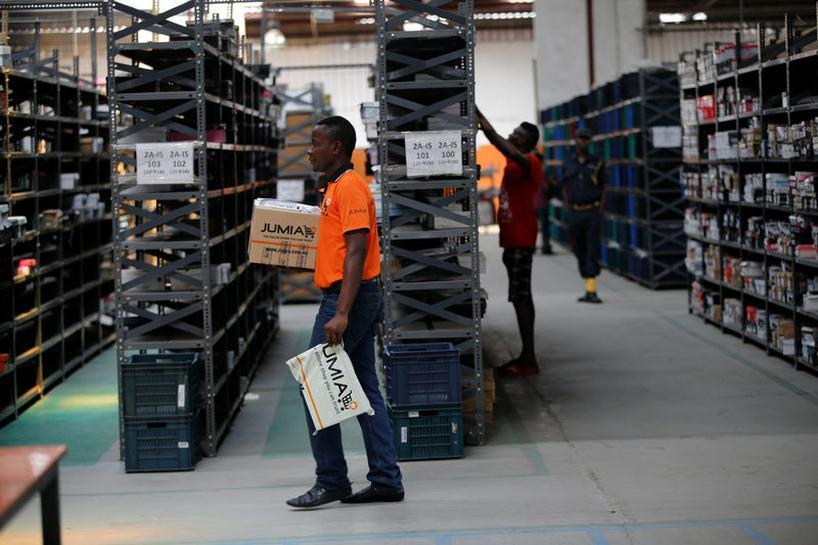
Digital platforms such as Jumia and Instagram have played a significant role in accelerating this transformation by connecting businesses with consumers through mobile-first marketplaces. These platforms have lowered barriers to entry for entrepreneurs, enabling small businesses to sell products without maintaining physical retail outlets.
As e-commerce expands in Kenya, courier companies are investing heavily in logistics infrastructure, including fulfillment centers, delivery fleets, and technology systems that improve tracking and efficiency. Faster delivery times and improved customer service are becoming key competitive advantages in this rapidly evolving market.
E-Commerce Boom Highlights Decline of Traditional Postal Services
While courier companies are thriving, the e-commerce boom is simultaneously accelerating the decline of traditional postal services. Institutions such as Postal Corporation of Kenya have experienced a steady drop in conventional mail volumes as digital communication replaces physical letters.
Emails, instant messaging, and electronic document sharing have significantly reduced the need for traditional postal services. As a result, postal operators are increasingly exploring new revenue streams, including logistics partnerships, parcel delivery, and digital services.
See Also: Kenya’s Creative Sector Emerges as Key Driver of Jobs and Exports
The shift toward e-commerce presents both a challenge and an opportunity for postal organizations. On one hand, declining mail volumes threaten traditional revenue models. On the other, the rapid growth of parcel deliveries creates potential avenues for modernization and diversification.
Analysts note that the long-term success of postal institutions will depend on their ability to adapt to the changing logistics ecosystem. Integrating technology, expanding last-mile delivery capabilities, and collaborating with online marketplaces could help traditional operators remain relevant in the digital age.
Ultimately, the Kenya e-commerce boom is reshaping how goods move through the economy. Courier companies are emerging as critical infrastructure for digital commerce, while legacy postal systems face pressure to reinvent themselves. As online shopping continues to expand, the logistics sector will play an increasingly central role in supporting Kenya’s evolving digital economy.
Previous Post
Next Post