Now Reading: Ethiopia Aviation Growth Surges: 31% Capacity Boom Positions Addis Ababa as Africa’s Leading Hub
-
01
Ethiopia Aviation Growth Surges: 31% Capacity Boom Positions Addis Ababa as Africa’s Leading Hub
Ethiopia Aviation Growth Surges: 31% Capacity Boom Positions Addis Ababa as Africa’s Leading Hub

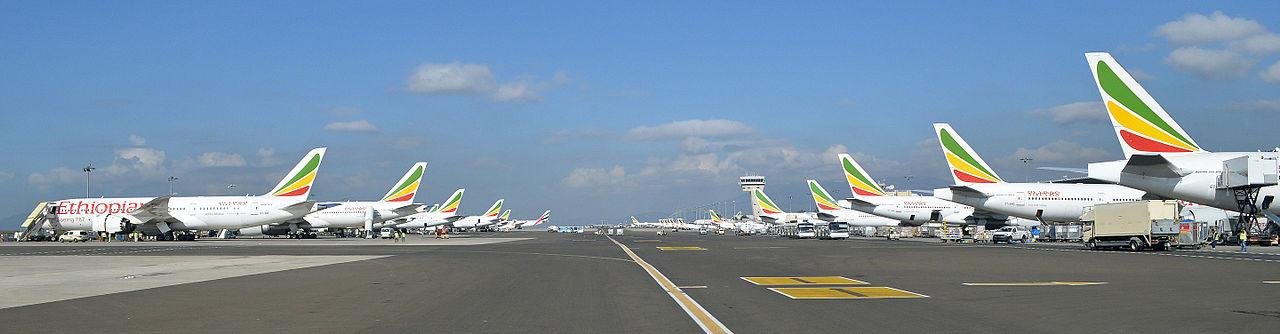

Ethiopia aviation growth is redefining the trajectory of air travel across the continent, with the country emerging as the undisputed leader of Africa’s aviation expansion. In 2026, Ethiopia recorded a remarkable 31% increase in airline capacity, reaching approximately 17 million seats—one of the most significant growth surges seen anywhere in Africa. This rapid rise is not a coincidence but the result of a long-term, state-backed strategy that positions aviation as a core pillar of economic transformation. At the center of this momentum is Ethiopian Airlines, which alone operated around two million seats in March 2026, reinforcing its dominance as the continent’s largest and most influential carrier.
This surge in Ethiopia aviation growth reflects a broader shift in how African economies are leveraging connectivity to unlock trade, tourism, and investment. As global aviation markets rebound and expand, Ethiopia has moved ahead of regional competitors by aligning infrastructure development, airline expansion, and policy support into a unified growth strategy. The result is a highly efficient aviation ecosystem that is increasingly shaping the flow of passengers and cargo across Africa.

Ethiopia Aviation Growth Driven by Hub Strategy and Fleet Expansion
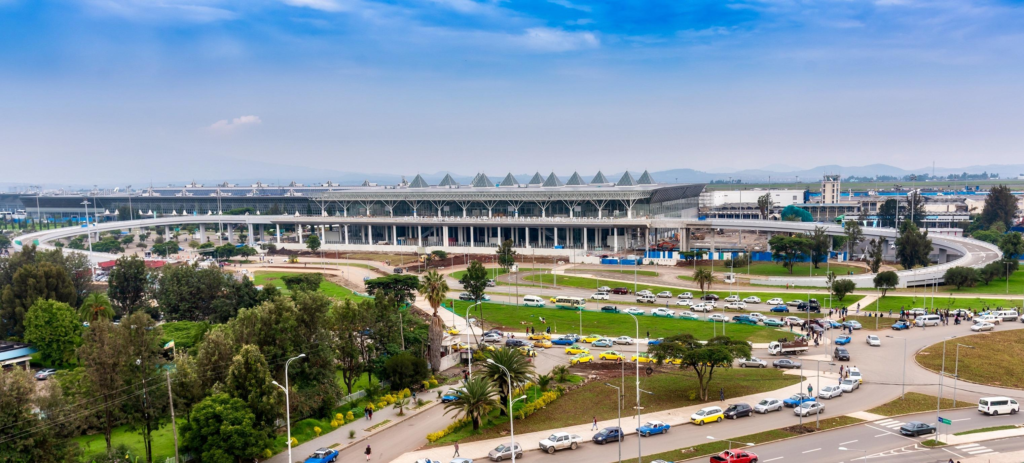
A critical driver behind Ethiopia aviation growth is the rise of Addis Ababa Bole International Airport as Africa’s most strategically important transit hub. The airport has evolved into a central node connecting major African markets including Kenya, Tanzania, South Africa, Nigeria, and Egypt. Its growing network breadth and operational reliability have positioned it as a preferred gateway for both passengers and cargo moving within and beyond the continent.
This transformation is rooted in deliberate policy choices. Ethiopia has consistently invested in fleet modernization, expanding Ethiopian Airlines’ capacity with new-generation aircraft that improve fuel efficiency and operational range. At the same time, the government has prioritized aviation as a strategic sector, recognizing its role in driving tourism, facilitating exports, and enhancing regional integration. This coordinated approach has enabled Ethiopia aviation growth to outpace many other African markets, where fragmented policies and infrastructure limitations often constrain expansion.
The impact is already visible at a continental level. Africa’s international seat capacity grew by 18.6% in 2026, while cargo volumes surged 18.2%, marking the fastest growth rates globally. A significant share of this expansion is being funneled through Addis Ababa, underscoring Ethiopia’s central role in shaping Africa’s aviation landscape.
Profitability Challenges Persist Despite Ethiopia Aviation Growth Momentum
Despite the impressive trajectory of Ethiopia aviation growth, structural challenges continue to weigh on the broader African aviation industry. Airlines across the continent are projected to achieve net profit margins of just one to two percent in 2026, significantly below global averages. This highlights the persistent cost pressures, regulatory complexities, and infrastructure gaps that limit profitability even in high-growth environments.
However, Ethiopia’s model offers a blueprint for overcoming these constraints. By integrating airline operations with national development goals, the country has created a more resilient aviation ecosystem capable of sustaining growth despite industry headwinds. Its focus on efficiency, scale, and connectivity has allowed it to capture a disproportionate share of Africa’s aviation expansion.
You Might Also Like: Africa Energy Transition Fund: $200M Push Targets Renewable Breakthrough Across the Continent
Looking ahead, the outlook remains strong. Africa’s aviation market is projected to grow at an annual rate of 5.8% through 2040, driven by rising middle-class demand, increased urbanization, and expanding trade networks. Within this context, Ethiopia aviation growth is not merely keeping pace with the continent’s trajectory—it is actively shaping it.
As global airlines and investors look toward Africa’s next growth frontier, Ethiopia stands out as a case study in strategic execution. Its ability to combine policy, infrastructure, and operational excellence into a cohesive aviation strategy has positioned it not just as a participant in Africa’s aviation boom, but as the force driving it forward.