Now Reading: Eveready Targets Solar and E-Mobility in Strategic Reset
-
01
Eveready Targets Solar and E-Mobility in Strategic Reset

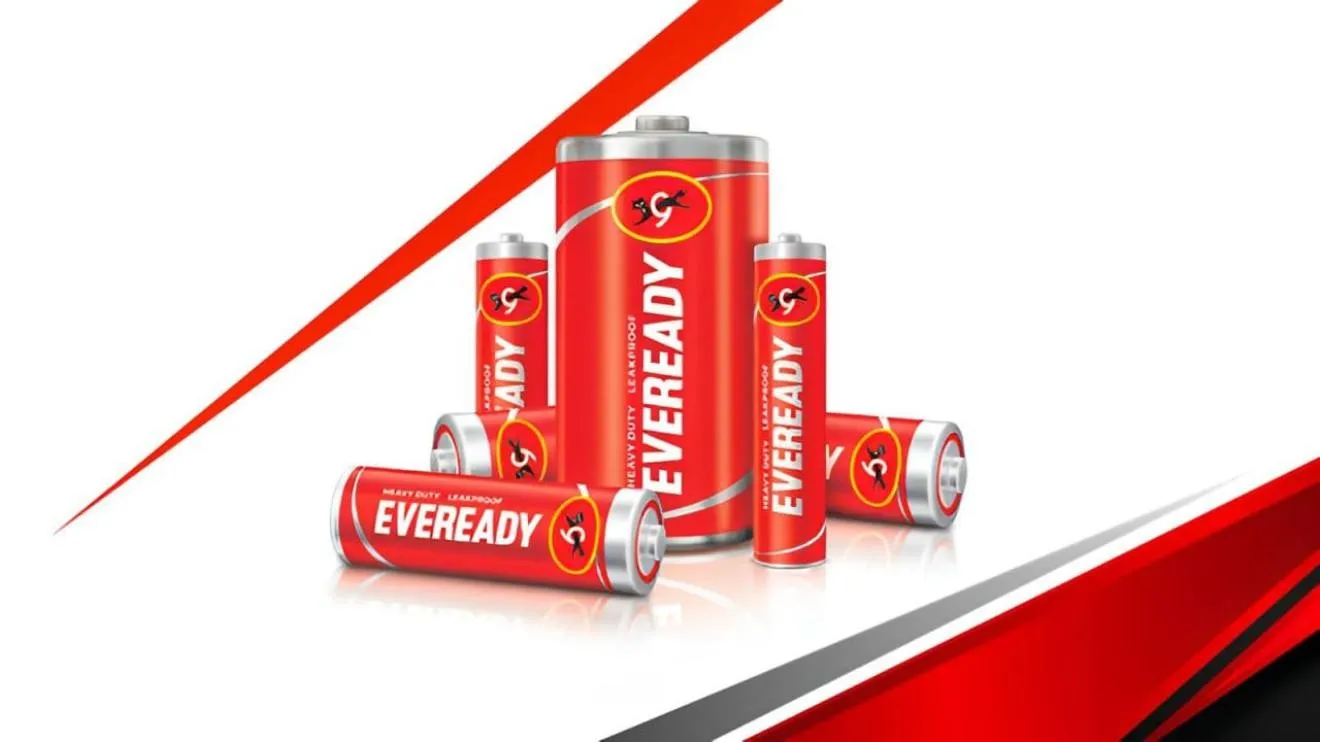

Eveready East Africa is abandoning its long-standing identity as a dry-cell battery maker and betting its future on solar power, electric mobility and carbon markets.
After more than 70 years built around its iconic “Shika Paka Pawa” batteries, the Nairobi Securities Exchange-listed company is repositioning itself as an integrated clean-energy provider, moving into a space increasingly defined by solar systems, energy storage, financing and digital power solutions.
Eveready’s new Integrated Clean Energy Platform (ICEP) bundles technology, financing, installation and after-sales support into a single offering.
The company says the platform is designed to serve households, small businesses, schools, hospitals and large commercial and industrial clients, segments facing rising power costs and unreliable grid supply.
“This transformation reflects our commitment to making clean, affordable and reliable energy accessible, while building a resilient business positioned for long-term growth,” said Eveready chief executive Sonia Karuma.
From Eveready batteries to systems
Eveready’s move reflects broader pressure on traditional battery manufacturers. The rise of lithium-ion technology, falling battery prices and the growth of electric vehicles are steadily eroding demand for lead-acid and dry-cell batteries, once staples of off-grid lighting and backup power.
Competitors such as Chloride Exide and Associated Battery Manufacturers (ABM) have already diversified into solar and energy-storage solutions. Eveready’s reset goes further, signalling a full pivot away from single products toward energy systems and services.
Through partnerships with Huawei Technologies and Jinko Solar, the company now offers commercial and industrial solar inverters, grid-connected systems, residential solar kits and battery backup solutions. These are complemented by smart monitoring tools aimed at helping customers cut electricity costs and improve reliability.
Management says many of the projects are structured to become self-financing within a few years, with energy savings offsetting upfront costs, a key selling point in a market where capital remains expensive.
Electric mobility and financing
Eveready is also stepping into Kenya’s emerging electric-mobility space through a partnership with EV Jumla, launching asset-backed financing for electric motorcycles and cars. The move targets one of the biggest barriers to EV adoption: high upfront prices.
The financing model is aimed at taxi drivers, delivery riders and fleet operators, offering flexible repayment terms and charging solutions linked to renewable energy. While banks and fintech firms are increasingly active in EV finance, Eveready’s entry positions the company as both an energy and mobility enabler.
The strategy carries risk. Financing exposes the firm to credit defaults, a departure from its historical manufacturing and distribution model. But management argues that combining vehicles, charging and clean power creates a more sustainable ecosystem than selling hardware alone.
Carbon markets as a new revenue stream for Eveready
Beyond solar and mobility, Eveready is eyeing carbon markets as an additional income line. Its partnership with the Regional Voluntary Carbon Market Company, announced during Nairobi’s landmark carbon credit auction in 2023, positions the firm to develop projects that generate verified emissions reductions.
Carbon trading remains volatile, with prices and standards under scrutiny globally. Still, Kenya has emerged as a regional hub for voluntary carbon activity, supported by renewable energy capacity and international climate-finance interest. For Eveready, carbon credits represent diversification beyond energy sales and financing margins.
A crowded transition
Kenya’s clean-energy market is becoming increasingly competitive. Telecom-linked solar providers, pay-as-you-go firms, banks and international developers are all chasing the same customers. Brand recognition gives Eveready an advantage, but success will depend on execution rather than nostalgia.
The company’s national distribution network and decades-long consumer trust could help it scale faster than newer entrants. At the same time, managing long-term energy relationships, financing, maintenance and performance guarantees, demands skills far removed from selling batteries through retail outlets.
A bet on relevance
Eveready’s reset underscores a wider shift in Kenya’s energy economy. Energy is no longer just a product sold over the counter; it is a service that blends technology, finance and long-term support. Companies that once sold components are now being pushed to manage entire energy ecosystems.
Whether Eveready’s pivot delivers sustainable growth or stretches capital too thin will only become clear over time. For now, the strategy marks a decisive break with the past, and a clear signal that legacy brands must reinvent themselves or risk being left behind as the clean-energy transition accelerates.
Read Also: Explosive Ziidi Trader Surge Powers Record-Breaking NSE Rally – Business News
Previous Post
Next Post