Now Reading: Fuel Crisis Threatens South Africa’s Citrus Export Season
-
01
Fuel Crisis Threatens South Africa’s Citrus Export Season
Fuel Crisis Threatens South Africa’s Citrus Export Season

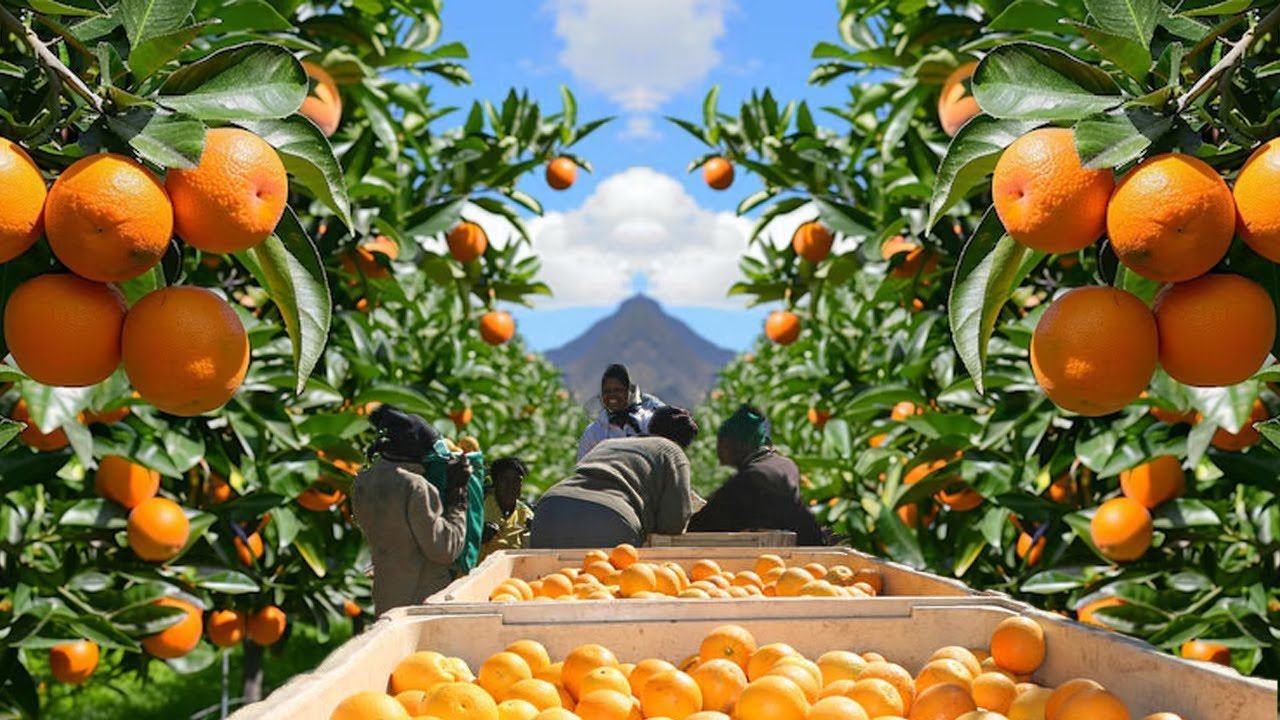

South Africa’s citrus industry is raising fresh concerns over fuel availability and rising costs ahead of the 2026 export season, warning that diesel shortages could disrupt one of the country’s most critical agricultural supply chains.
The Citrus Growers’ Association of Southern Africa said it has recorded isolated cases of diesel shortages at some service stations as the sector prepares for peak export activity beginning in April.
The warning comes despite official assurances that national fuel supplies remain stable in the near term.
Industry players say the shortages appear to be linked to unusual buying patterns and controlled allocation by fuel suppliers, raising concerns that availability could tighten further if global energy pressures persist.
“While official assurances indicate that national supply remains stable, industry participants have reported limited diesel availability at certain stations,” the association said, noting that the situation could worsen if current trends continue.
South Africa is the world’s second-largest citrus exporter after Spain, with exports reaching a record 3.05 million metric tons in 2025.
The sector plays a significant role in the country’s economy, supporting around 140000 jobs at farm level and contributing substantially to foreign exchange earnings.
However, the industry remains highly exposed to fuel risks due to its reliance on road transport.
About 95 per cent of citrus exports are moved by truck from farms to ports, making the supply chain particularly sensitive to diesel availability and price fluctuations.
Growers warn that any sustained constraints could directly affect logistics operations, potentially delaying shipments and increasing costs at a time when global markets are already under pressure.
“Should controlled selling or limited availability of diesel persist, it could directly affect the functioning of the citrus supply chain,” the association said, calling for urgent intervention to stabilise the situation.
The concerns are being amplified by expectations of a sharp increase in fuel prices, driven by global energy market disruptions linked to tensions in the Middle East.
Higher fuel costs are expected to push up transport expenses, squeezing margins for farmers and exporters.
The Middle East is a key export destination for South African citrus, accounting for nearly one-fifth of total shipments.
Disruptions in the region could therefore have a dual impact by increasing logistics costs while also affecting demand in key markets.
Industry stakeholders are now calling for a coordinated national response involving government, fuel suppliers, logistics operators, and exporters to mitigate the impact of the emerging fuel crisis.
Proposals under consideration include temporary relief measures such as fuel levy adjustments for primary producers, as well as broader interventions to ensure a stable supply during the export season.
At the same time, the situation has renewed calls for long-term reforms in South Africa’s logistics system. Experts say the sector’s heavy dependence on road transport exposes it to fuel shocks and highlights the need for expanded rail infrastructure.
“This points to the problems inherent in a logistics system almost wholly reliant on trucks,” industry representatives noted, urging faster progress in rail development to reduce vulnerability.
For now, the focus remains on ensuring that the upcoming export season proceeds with minimal disruption. With harvest volumes expected to remain strong, maintaining a stable fuel supply will be critical to keeping the supply chain moving.
As global energy uncertainty continues to shape markets, the experience of South Africa’s citrus sector underscores a broader challenge facing export-driven economies across Africa.
Access to reliable and affordable fuel is not just an operational issue but a key determinant of competitiveness in global trade.
Also Read: Egypt, Cyprus Strike Gas Deal as Cairo Seeks Energy Hub Status – Business News
Related Posts

Previous Post
Next Post